
Conscious Living: The Environmental Impact of High-Efficiency Windows
Living with a focus on the planet starts with the choices made inside the four walls of a home. These small shifts in habits can create a ripple effect that…
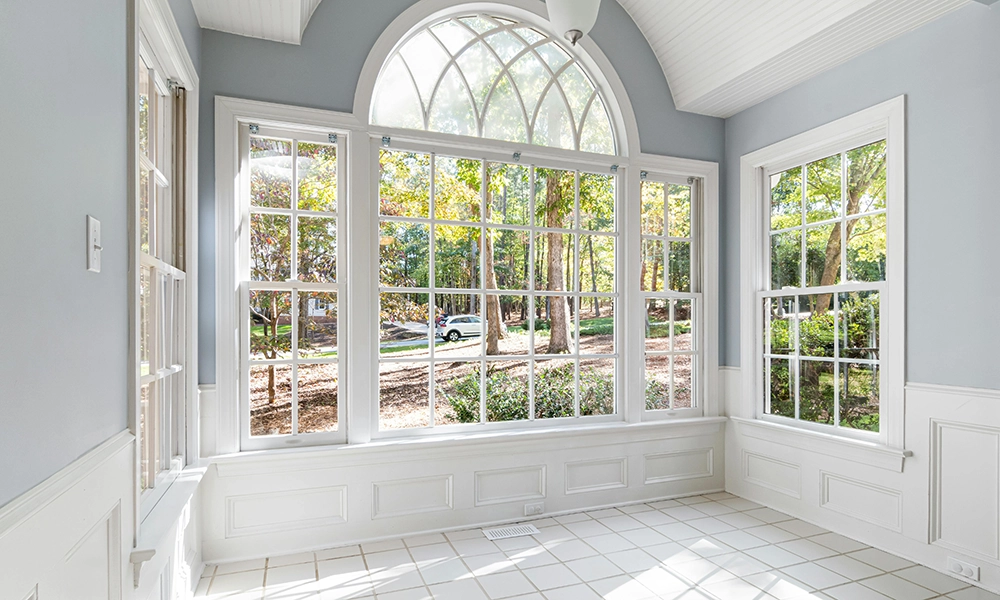
Living with a focus on the planet starts with the choices made inside the four walls of a home. These small shifts in habits can create a ripple effect that benefits the world outside.
Choosing items that last longer and waste less energy helps lower a personal carbon footprint. Such decisions reflect a commitment to a healthier future for everyone in the community.
Energy Efficiency and Home Insulation
Modern technology has changed how buildings hold onto heat or keep it out during a hot day. Making smart choices like window upgrades helps keep a home at a steady temperature without overworking the furnace. This change reduces the strain on local power grids and lowers monthly bills. It is a simple step for a greener house.
A recent blog post mentioned that high-performance products typically cost 15-25% more than standard options. These models can provide 20-30% greater energy savings for the average owner. Paying more at the start leads to much lower costs over the years.
Standard glass often lets heat escape during the winter months. New designs use better frames and seals to trap warmth inside where it belongs. This keeps a living space comfortable without needing to run the heater all day.
Reducing Greenhouse Gas Emissions
A study on building benefits highlighted that using energy-efficient products helps lower greenhouse gas emissions by reducing power plant output. Every small reduction in fuel use counts toward a cleaner atmosphere. This helps protect the local environment and the global climate.
Power plants often burn fossil fuels to generate the electricity needed for air conditioning. Using less power means fewer pollutants enter the sky every single day. It is a direct way to help the planet from home.
Communities see a real difference when more people adopt green building standards. It moves the needle toward a more sustainable way of living in modern cities. Reducing waste is a key part of this collective effort.
Financial Savings and Energy Stars
Official certifications help people find the best products for their specific climate zone. One government document suggests owners could save about 12% on energy costs by replacing poor models with certified ones. These savings add up to hundreds of dollars every single year.
- Lower utility bills every month
- Reduced wear on HVAC systems
- Improved indoor air quality
- Higher property resale value
Choosing high-efficiency items is a practical way to manage a household budget. It allows people to spend their money on things they enjoy instead of wasting power. Smart spending and green living often go hand in hand.
Balancing the Indoor Climate
Proper insulation prevents a house from getting too hot during the peak of summer. A recent post explained that improved glass setups help a balanced indoor climate without excessive power use. This keeps rooms usable even during the most intense heat waves.
Temperature spikes can make it hard to sleep or work from home. Better glass acts as a barrier that keeps the sun's rays from baking the interior. It creates a peaceful space that stays cool naturally.
Consistency in temperature protects furniture and flooring from heat damage. Wood and fabrics stay in better shape when they aren't exposed to extreme swings. This adds another layer of value to a high-quality installation.
Cutting Down Thermal Loss
Technical glass can reduce the thermal loss of a building by a massive margin. An article shared that triple-coated glass can drop U-values from 5.7 down to 0.5. This leap in performance means far less heat escapes through the windows.
Lower U-values mean the glass is better at resisting heat flow. It is like putting a thick blanket over the openings in your walls. This keeps the home cozy during the coldest nights of the year.
Homeowners who invest in these materials see the results in their comfort levels. The air feels less drafty, and the walls stay warmer to the touch. It is a noticeable upgrade for any older property.
Heating and Cooling Energy Use
Windows are often the weakest point in a home when it comes to energy loss. One organization noted that older models can account for 25% to 30% of residential heating energy use. Stopping this leak is a top priority for anyone building a green home.
Air conditioning units often have to work twice as hard when the glass is thin. This creates a cycle of high energy use and constant noise. Better insulation breaks this cycle and makes the home much quieter.
Quiet homes are often more relaxing and better for mental health. Eliminating outside noise and saving energy is a win-win for any resident. It turns a house into a true sanctuary for the family.
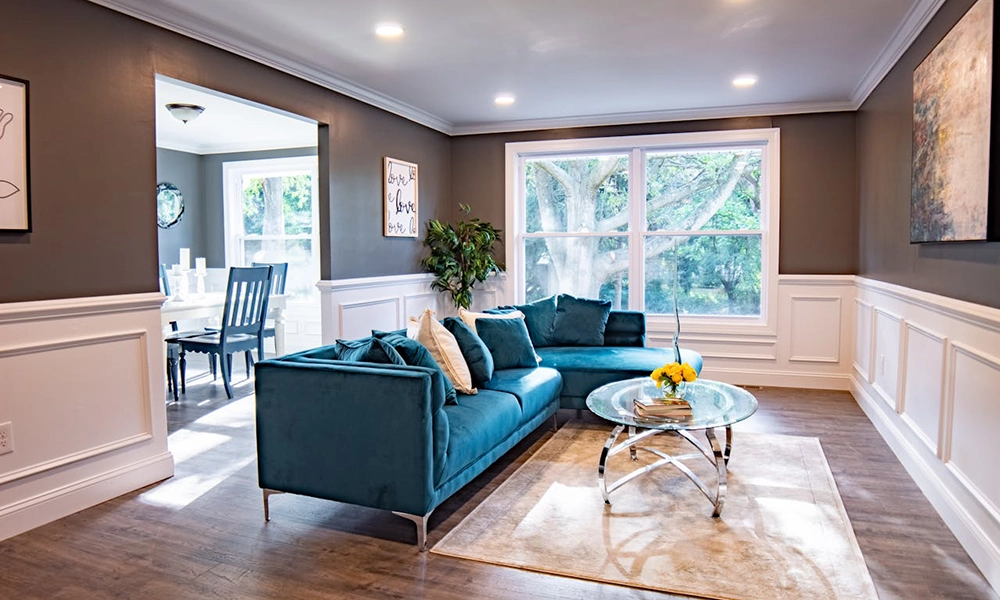
Making the switch to better glass is a step toward a more conscious lifestyle. It bridges the gap between personal comfort and global health. Every pane installed is a commitment to using resources more wisely.
The path to a greener world is paved with these kinds of practical upgrades. Thinking about the long-term impact of a home helps create a lasting legacy. It is a choice that pays off for both the owner and the earth.
