Energy Efficiency & Your Roof: A Natural Way to Cool Your Home
Keeping your home cool during a hot summer can be a real struggle. Most people turn straight to the air conditioner for help. While that works, it often…
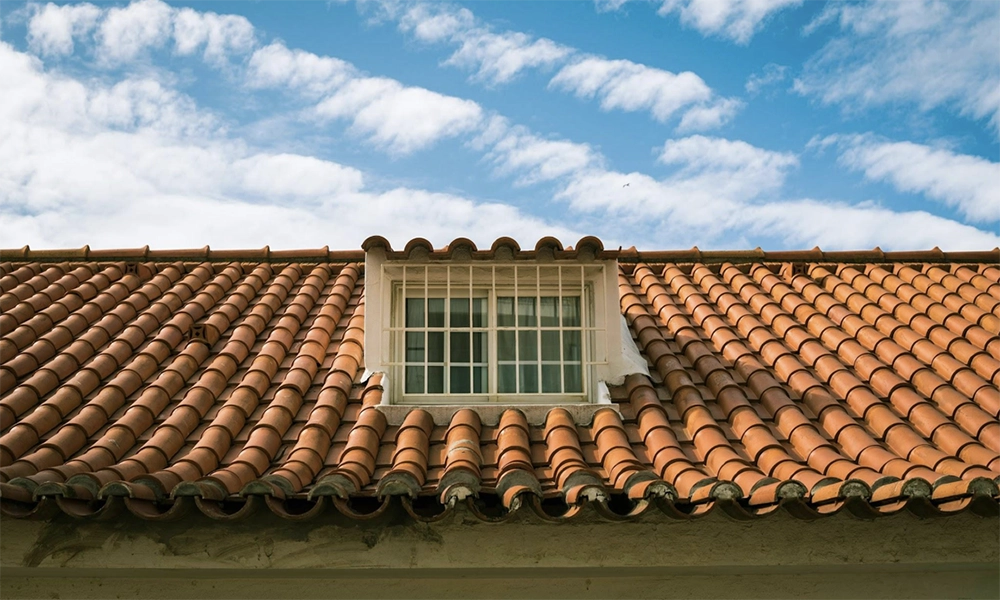
Keeping your home cool during a hot summer can be a real struggle. Most people turn straight to the air conditioner for help. While that works, it often leads to high power bills every month. There is a more natural way to handle the heat by looking at the top of your house.
The Impact of Modern Roofs
Your roof acts like a giant heat shield for your entire living space. If it is old or made of dark materials, it might be doing the opposite of what you want. Sunlight hits the surface and turns into thermal energy that moves downward. This heat eventually reaches your ceiling and makes your rooms feel like an oven.
A recent report by the Department of Energy explained that standard roofs can reach 150°F on a sunny day. This extreme temperature seeps through the attic and into your bedrooms. High heat levels force your cooling system to work much harder than it should. Switching to a reflective surface can keep the top of your house 50°F cooler.
Smart Solutions for Home Comfort
Energy efficiency is becoming a major focus for homeowners all around the globe. Modern buildings now account for roughly 30% of global energy demand. Much of that power goes toward fighting the heat that enters through the exterior shell. Choosing the right materials helps lower this demand without sacrificing comfort.
Homeowners dealing with heat and humidity challenges often begin by finding reliable roofing experts in NC, especially when evaluating how well a roof is performing under local climate conditions. These professionals can assess where energy loss is occurring and suggest improvements based on regional weather patterns and building needs. Having a solid plan helps you save money for many years.
Reflective Technology and Materials
Light colors are great for reflecting the sun away from your home. This is the same reason people wear white clothes on a hot day. Special coatings can also be applied to existing shingles to boost their performance. These coatings act as a mirror for UV rays and heat.
Some popular materials for staying cool include:
- Metal panels with reflective finishes
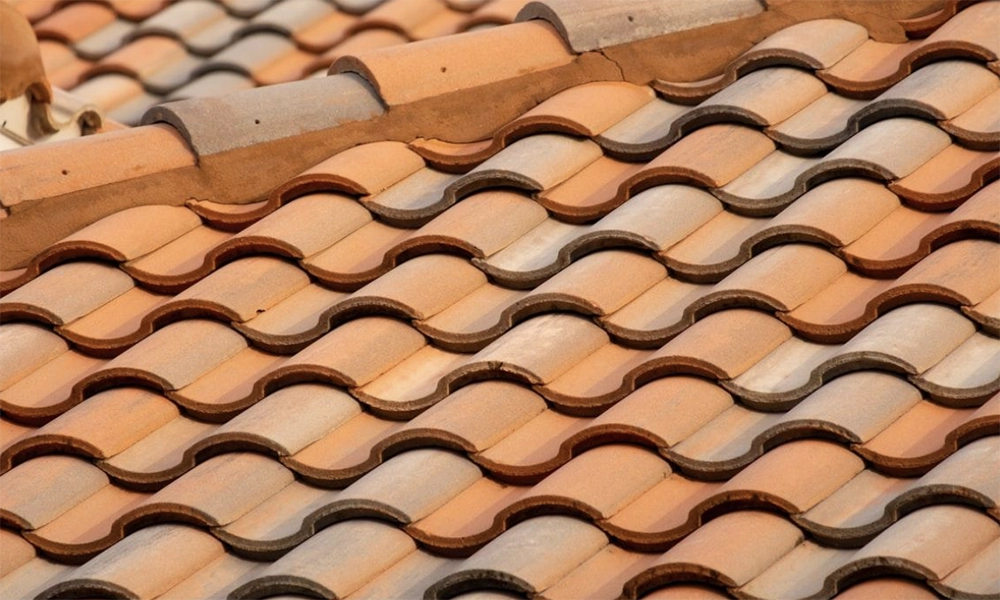
- White or light gray clay tiles
- Specially designed "cool" asphalt shingles
- Natural slate that resists heat soak
How Heat Moves Through Your House
Heat always tries to move from warm areas to cooler ones. In the summer, the sun bakes your shingles until they are hot to the touch. This heat then moves through the wood decking and into the attic air. If your insulation is thin, that heat moves right into your living room.
Using materials that do not hold onto heat is a smart move. Some products are designed to release thermal energy quickly once the sun goes down. This prevents your house from staying hot well into the night. It also protects the structure of your roof from heat damage.
Improving Your Attic Airflow
A cool roof works best when the attic has plenty of fresh air. Vents allow trapped heat to escape before it can sink into the floors below. Without good airflow, even a great roof can still feel warm. Think of it like a chimney that lets the hot air rise and leave.
Proper ventilation also helps keep your shingles in good shape. Constant high heat can make materials brittle or cause them to crack. Keeping the underside of the roof cool extends the life of the entire system. It is a simple way to protect your big investment.
Natural Cooling and the Environment
Lowering your home temperature does more than just save you money. It also helps the community by reducing the strain on the local power grid. When every house stays a bit cooler, the whole neighborhood stays more comfortable. This is especially true in crowded areas where heat gets trapped between buildings.
Reducing energy use is a great way to be more eco-friendly. Most of our electricity still comes from sources that create carbon emissions. By using the sun's own physics to stay cool, you are helping the planet. It is a win for both your wallet and the environment.
Long-Term Savings and Value
Installing an energy-efficient roof might cost more at the start. However, the savings on your monthly bills add up very fast. Most homeowners see a change in their cooling costs during the very first summer. The roof basically pays for itself through lower utility fees.
A high-tech roof also adds value to your property if you decide to sell. Buyers are always looking for ways to keep their future costs low. Showing them a home that stays naturally cool is a big selling point. It proves the house was built or upgraded with quality in mind.
You do not have to live in a house that feels like a sauna. Small changes to your roofing materials can lead to massive differences in how you feel. Start by looking at how your home handles the sun and make a plan for a cooler future. Your air conditioner and your wallet will definitely thank you later.