Scrolling through social media feeds can sometimes feel like flipping through perfect faces and sculpted bodies. It’s no wonder that more people in cities like Beverly Hills and beyond are curious about cosmetic surgery. While enhancements have existed for decades, their popularity has surged in recent years.
In 2015 alone, 15.9 million surgical and minimally invasive procedures were performed in the United States. During the COVID‑19 pandemic, requests jumped again, with a noticeable uptick likely due to increased videoconferencing and self‑awareness on camera.
But as interest grows, so does misinformation. Hence, let’s demystify cosmetic surgery and discuss how to approach it responsibly.
Why People Choose Cosmetic Procedures
Cosmetic surgery is a deeply personal decision, and the motivations behind it vary from individual to individual. For some, it’s about correcting long-standing physical concerns; for others, it’s a confidence-boosting decision tied to life changes like aging or pregnancy. Additionally, certain cosmetic procedures can also offer functional or medical benefits. Thus making them more than just aesthetic enhancements.
Here are some of the most common reasons people pursue such procedures:
- To correct physical features they’ve long been self-conscious about.
- To address skin laxity and aging-related changes.
- To restore the body post-pregnancy or after major weight loss.
- To improve function in addition to appearance.
- To feel more confident and aligned with their self-image.
No matter the reason, it’s essential that the decision is made for oneself. It must not be based on pressure from social media, partners, or external beauty ideals.
Safety and Realistic Expectations
Every surgical procedure carries risk. Complications like infection, scarring, nerve injury, and dissatisfaction with results are possible. That’s why choosing a qualified, board‑certified surgeon is critical. A skilled professional will conduct thorough evaluations, review your medical history, and ensure you’re well-informed about potential outcomes.
If you’re considering cosmetic surgery in Beverly Hills, you’re likely drawn by its reputation for cutting-edge techniques and elite specialists, and rightly so. The area is home to some of the most skilled and trusted surgeons, such as those at Dr. Garth Fisher’s practice. They are known for their high standards and bespoke patient care.
However, credentials always matter more than postcode. Do your due diligence. During consultations, ask about revision policies, anesthesia options, and recovery timelines. Also, have a clear discussion about your goals.
Moreover, realistic expectations are key — surgery can refine and enhance your features, not transform you into someone else. Surgeons should show you before‑and‑after photos of individuals with similar body types to help you understand what’s achievable in your case.
Popular Procedures and Considerations
Cosmetic surgery includes both surgical and non-surgical options, depending on your goals, budget, and downtime preferences.
Surgical treatments include:
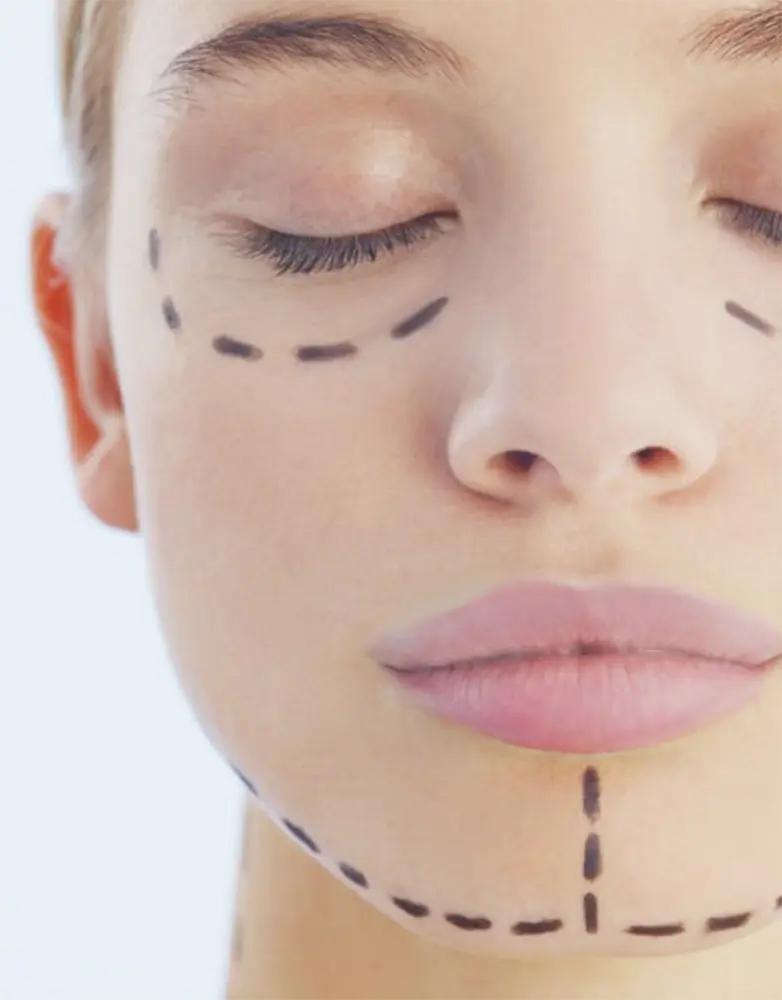
- Facelifts and neck lifts: Target sagging skin and deep wrinkles. Downtime ranges from one to two weeks.
- Breast surgery: Includes augmentation, reduction, and lifts. Some procedures alleviate physical discomfort; others enhance proportions.
- Abdominoplasty (tummy tuck): Removes excess skin and tightens muscles, often after weight loss or pregnancy.
Non-surgical treatments include:
- Injectables: Botox and dermal fillers are used to reduce fine lines and restore volume.
- Laser procedures: Help improve skin tone, reduce pigmentation, or treat minor scarring.
- Chemical peels and microneedling: Improve skin quality and reduce mild imperfections.
During consultations, ask about alternatives. Non-surgical options may deliver desired results with fewer risks and shorter recovery.
How to Prepare for a Cosmetic Procedure
Preparation affects both outcome and recovery in such surgeries. Here’s a general checklist:
- Consultation: Meet with the surgeon at least twice to clear all the doubts that you have. Bring a list of questions about risks, benefits, and alternatives.
- Medical evaluation: Complete any necessary labs or imaging. Disclose all medications and supplements.
- Lifestyle adjustments: Stop smoking and avoid certain medications or supplements that increase bleeding. Maintain a balanced diet and stay hydrated.
- Plan for recovery: Arrange time off work, childcare, and support at home. Stock up on comfortable clothing and supplies such as prescribed medications and ice packs.
- Follow instructions: Adhere to pre- and post-operative guidelines from your surgeon. Proper care reduces the risk of complications.
Final Thoughts
The surgery can be an empowering choice when approached thoughtfully. The surge in popularity—from thousands to millions of procedures—reflects a cultural shift toward self-directed aesthetics. However, it’s important to separate hype from reality. Consult qualified professionals, assess your motivations, and set realistic expectations.
Whether you’re considering a small refinement or a major change, taking the time to research and prepare ensures a safer, more satisfying experience.
Last but not least, beauty ideals may be ever-changing, but prioritizing your health and confidence will always be timeless.