What Happens When Small Changes to Your Appearance Shift How You Feel Every Day
A small change to a smile can influence daily life in steady, practical ways. For many adults, minor dental concerns shape confidence more than they e

A small change to a smile can influence daily life in steady, practical ways. For many adults, minor dental concerns shape confidence more than they expect. The impact is often subtle, yet consistent.
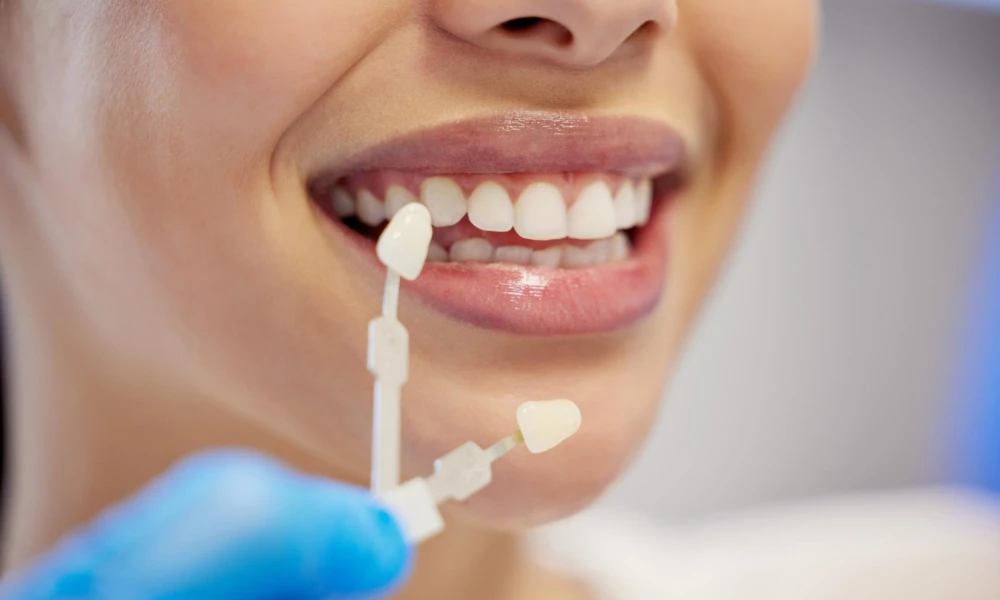
Treatments such as composite bonding are increasingly chosen across the UK to address small chips, uneven edges or discolouration without invasive procedures. A tooth-coloured resin is applied, shaped carefully and hardened with a curing light. Healthy enamel remains largely untouched. In many cases, the treatment is completed in one appointment.
The outcome is rarely about dramatic transformation. More often, it is about ease. Feeling comfortable speaking, laughing or appearing in photographs can remove a daily source of tension. Over time, that ease influences posture, tone and willingness to participate.
Why Small Aesthetic Changes Affect Daily Confidence More Than Expected
Self-perception plays a direct role in behaviour. Research exploring the relationship between appearance and self-esteem highlights how visible concerns can influence confidence, participation and social interaction over time. When a person feels uncomfortable about a visible feature, even a minor one, that awareness can shape how they engage with others.
In professional environments, confidence affects communication. A person who feels self-conscious about their teeth may contribute less in meetings or avoid roles that require public visibility. These adjustments are rarely conscious decisions. They develop gradually and can persist for years.
Within families and social circles, similar patterns appear. Photographs are delayed or avoided. Social media presence becomes limited. Invitations that involve public speaking or hosting may feel more stressful than they need to be. Over time, these small hesitations can reduce overall participation in meaningful experiences.
Addressing a specific aesthetic concern does not alter personality. It reduces distraction. When a repeated source of discomfort is removed, attention shifts back to conversation, work and relationships. The physical change may be minimal, yet the behavioural shift can be consistent and lasting.
The Connection Between Visible Improvements and Mental Wellbeing
Ongoing self-consciousness can influence mood and social energy. When a visible feature becomes a persistent focus, it can affect willingness to engage. This does not mean every aesthetic concern reflects deeper psychological distress. It does mean that repeated discomfort has cumulative effects.
Minimally invasive treatments are relevant in this context because they offer proportionate solutions. They address defined concerns without lengthy recovery periods or complex procedures. For many adults, the practical nature of composite bonding supports balanced decision-making.
The advantages and limitations of composite bonding Liverpool patients can access help clarify why this treatment appeals to those seeking modest, controlled changes. Results are immediate. The procedure is conservative. Adjustments can be refined over time if needed.
When visible concerns are resolved in a realistic and measured way, individuals often report improved comfort in daily interactions. They speak more freely. They smile without calculating angles. These responses are behavioural rather than cosmetic outcomes.
At the same time, it remains important to distinguish between healthy aesthetic goals and deeper distress. If concerns about appearance dominate thoughts or cause significant anxiety, consultation with a GP or mental health professional is advisable. Support remains available through NHS pathways and established mental health organisations across the UK.
When Aesthetic Concerns Become Wellbeing Barriers
There is a clear difference between wanting improvement and experiencing limitation. When a concern about appearance begins to restrict work participation, social engagement or personal relationships, it moves into the territory of wellbeing.
For example, an individual who avoids client-facing roles because of dental self-consciousness may limit career progression. Someone who declines invitations to speak publicly may miss opportunities for professional growth. These patterns develop quietly, yet they shape long-term outcomes.
It is also important to recognise conditions such as body dysmorphic disorder, where perceived flaws cause disproportionate distress. In these cases, cosmetic treatment alone may not resolve underlying anxiety, and support from a GP or mental health professional may be appropriate.
Cosmetic dental procedures should support wellbeing, not replace broader emotional care. Clear expectations, informed consent and balanced motivation form the foundation of responsible treatment decisions. When pursued thoughtfully, aesthetic changes can complement overall mental and social health.
Accessible Options for Smile Restoration in the UK
Across the UK, interest in minimally invasive smile restoration continues to grow. Many adults seek treatments that provide visible improvement without extensive intervention. Composite bonding sits within this category. When selecting a provider, understanding CQC inspection ratings can support confidence in clinical standards and overall service quality.
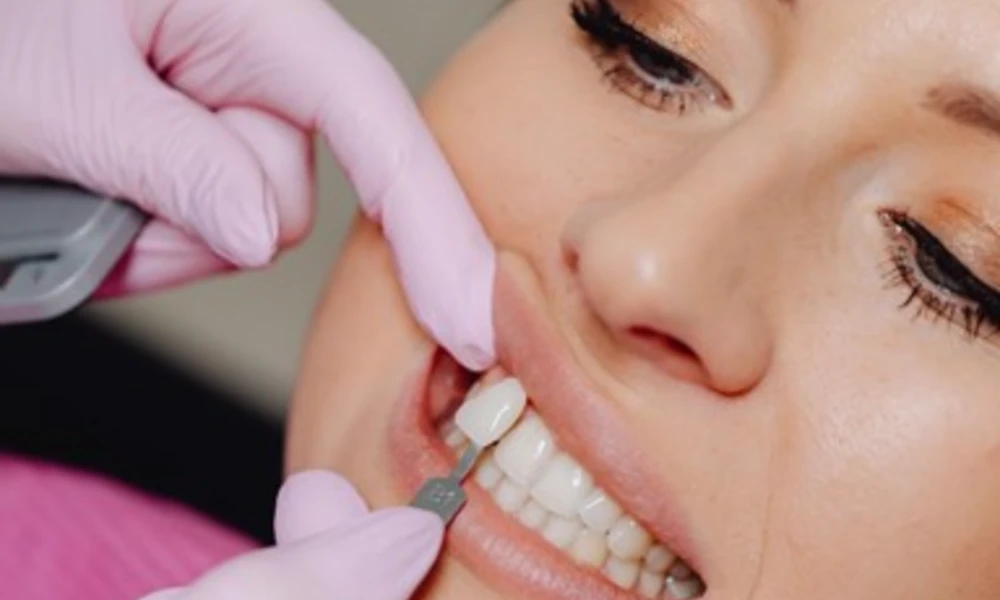
The procedure involves applying a resin material directly to the tooth surface. The clinician shapes it to correct chips, close small gaps or refine uneven edges. The material is colour-matched to surrounding teeth to maintain a natural appearance. Because the process preserves existing tooth structure, it appeals to those who prefer conservative dentistry.
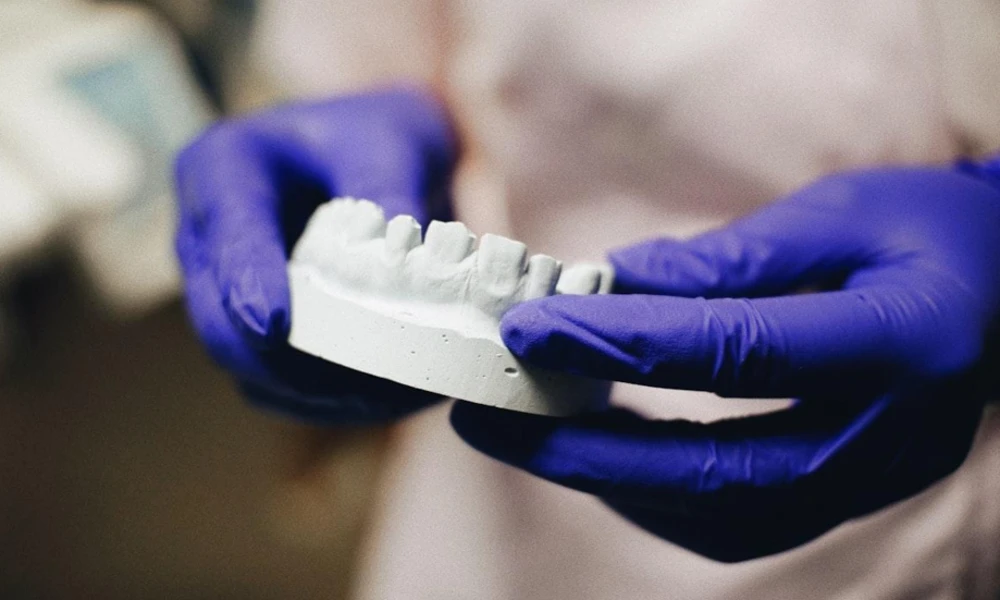
Compared with porcelain veneers, composite bonding usually requires less enamel removal and fewer appointments. Veneers are manufactured in a laboratory and involve a more permanent alteration of the tooth surface. Bonding, by contrast, offers flexibility. Adjustments can be made if preferences change over time.
This flexibility supports individuals who want to improve appearance while maintaining control over future decisions. It also reduces disruption to work and family routines, as treatment is often completed within a single visit.
What to Expect from a Single-Visit Treatment
An appointment for composite bonding typically begins with consultation. The clinician assesses the teeth, discusses desired outcomes and confirms suitability. Photographs or digital scans may assist in planning.
Once agreed, the tooth surface is prepared lightly. The resin is applied in layers, shaped with precision and cured with a specialised light. Final polishing ensures a smooth finish that blends with natural enamel.
Results are visible immediately. Patients leave the appointment with the adjusted smile in place. There is usually no need for anaesthetic unless minor reshaping is required.
Longevity depends on care and lifestyle habits. With consistent oral hygiene and routine dental check-ups, bonding can last several years. Avoiding staining substances and limiting excessive pressure on treated teeth helps preserve results. Maintenance remains straightforward and aligns with standard dental practice in the UK.
Making Informed Decisions About Cosmetic Treatments
Choosing a cosmetic dental treatment requires more than comparing visual outcomes. In the UK, patient safety is supported by clear regulatory frameworks. All practising dentists in the UK must be registered on the General Dental Council register, which sets professional standards for training, conduct and patient care.
Confirming registration and discussing clinical experience are reasonable steps for any patient. Questions about materials used, expected longevity and realistic outcomes support transparent decision-making. A practitioner should provide balanced information rather than guarantees.
Financial considerations also form part of responsible planning. Including cosmetic treatment within a broader wellbeing budget can prevent unnecessary stress. Clear communication about fees and follow-up care supports trust between clinician and patient.
Small aesthetic adjustments rarely change who a person is, but they can change how daily life feels. When a practical treatment addresses a specific source of discomfort, the effect often extends beyond appearance into confidence and participation. Combined with informed decision-making and realistic expectations, subtle smile restoration can support both personal comfort and long-term wellbeing.
Filed underStress & burnout, Dental, Cosmetic & aesthetics