
How Do You Clean and Maintain Granite Sinks?
Granite sinks bring a solid, elegant look to kitchens and bathrooms, but they need the right care to stay beautiful.
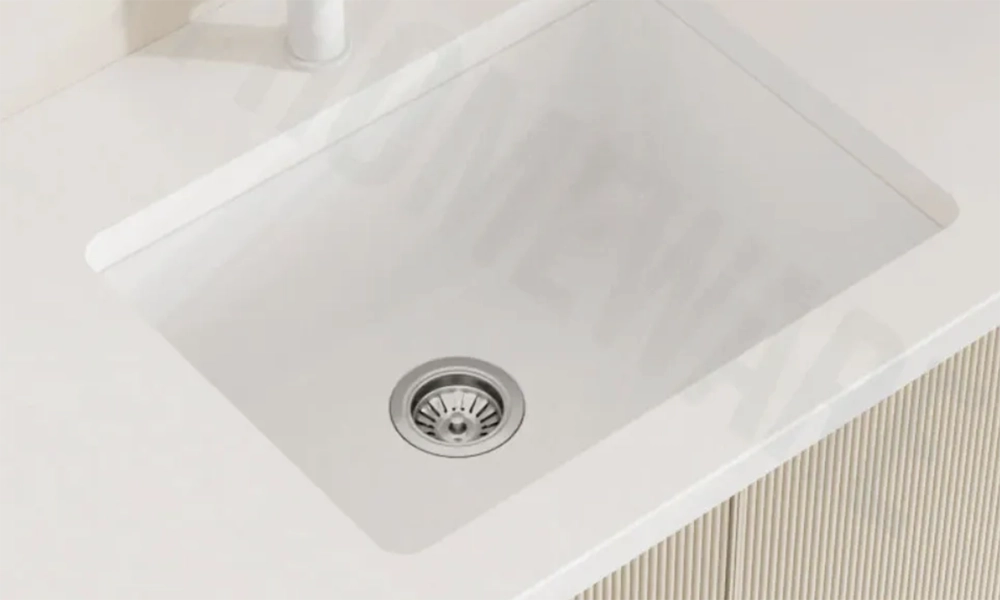
Granite sinks bring a solid, elegant look to kitchens and bathrooms, but they need the right care to stay beautiful. Many homeowners treat them like stainless steel or porcelain and end up with dull spots, stains, or scratches. With a simple routine and the right products, granite composite and natural granite sinks can resist wear, keep their deep color, and stay smooth for years. This guide explains how to clean a granite sink properly, what products to use, how to handle stains and hard water, and which mistakes to avoid. Follow these steps to keep your granite sink looking new and performing well every day.
How Do You Clean a Granite Sink Properly?
Daily Cleaning Routine for Granite Sinks
A consistent daily routine keeps a granite sink clean and prevents stubborn build-up. After each use, rinse food particles, soap, and debris with warm water. Use a soft sponge or microfiber cloth with a small amount of mild dish soap to wipe the entire surface, including corners and around the drain. This removes oils, colored liquids, and residue before they have time to settle or stain. Rinse again with warm water to clear away soap film. Finally, dry the sink with a soft cloth or paper towel. Drying helps stop water spots, mineral marks, and dull patches, especially in hard water areas. This quick routine protects the finish and preserves the sink’s natural-looking sheen.
Safe Cleaning Products and Tools to Use
Granite sinks respond best to gentle, pH-balanced cleaners and soft tools. Use mild dish soap, stone-safe or granite-safe cleaners, or a mix of warm water and a small amount of neutral detergent. These options remove grease and grime without stripping the protective layer or fading the color. For tools, choose non-scratch sponges, soft microfiber cloths, or soft-bristle brushes. These allow you to scrub away residue without grinding grit into the surface. Avoid steel wool, scouring pads, or stiff brushes, as they can create fine scratches that trap dirt and minerals. If you prefer a DIY option, use heavily diluted vinegar only on stubborn mineral deposits, and rinse very well afterward to protect the sink’s finish.
How to Remove Stains and Water Spots
Stains and water spots on granite sinks often come from coffee, tea, wine, or hard water minerals that dry on the surface. For mild stains, apply a paste of baking soda and water to the mark, gently rub with a soft cloth or sponge, then rinse thoroughly and dry. Do not scrub too aggressively; let the paste do the work. For tougher stains, use a granite-safe cleaner or a stone-approved stain remover, following the label directions. To tackle water spots or mineral deposits, apply a small amount of white vinegar to a soft cloth, dab the area, let it sit briefly, then rinse very well and dry. Finish by wiping the entire sink to restore an even, clean look.
Key Maintenance Tips to Keep Granite Sinks in Top Shape
Preventing Scratches, Chips, and Surface Damage
Granite sinks are durable, but they are not indestructible. To prevent scratches, avoid dragging metal pans, cast iron, or sharp utensils across the surface. Place a sink grid or soft rubber mat at the bottom to cushion heavy items and protect high-wear areas. Do not chop directly in the sink; always use a cutting board on the counter. Take care with glassware, as sudden impact can chip both the glass and the sink. When cleaning, stick to soft tools and avoid abrasive powders that can dull the finish. Periodically inspect the sink for small chips or worn spots, especially around the drain and edges, and address issues early with touch-up kits approved for granite composite or stone.
Managing Hard Water and Mineral Build-Up
Hard water leaves white or chalky marks on dark granite sinks and can cause a cloudy film over time. To manage this, always dry the sink after use with a soft cloth to remove standing water before it evaporates. For mild build-up, wipe the sink with a solution of equal parts water and white vinegar, applied with a soft cloth, then rinse thoroughly and dry. Use this method sparingly to avoid affecting any sealant. For heavy deposits, use a cleaner designed for limescale that is labeled safe for stone or granite composite. Regular weekly cleaning focused on mineral-prone areas around the faucet, drain, and edges prevents thick crusts. If your water is very hard, consider a water softener or faucet filter to reduce future build-up.
Sealing and Protecting the Sink Surface
Some natural granite sinks benefit from periodic sealing, while many granite composite models come with built-in protection. Check the manufacturer’s guidelines to see if sealing is recommended and how often. If needed, clean the sink thoroughly, let it dry completely, then apply a stone-safe sealer following the product instructions. Usually, you wipe on a thin coat, allow it to penetrate, then buff away any excess. Sealing helps repel water, oils, and stains, and can enhance the depth of color. Do not over-apply, as excess sealer can leave a sticky film. Between sealing sessions, maintain protection by using gentle cleaners and drying the sink. Avoid bleach, strong alkalis, and acidic cleaners that can weaken both the sealer and the stone surface.
What Mistakes Should You Avoid When Caring for Granite Sinks?
Using Harsh Chemicals and Abrasive Tools
Harsh chemicals and abrasive tools damage granite sinks, leading to dull spots, discoloration, and a rough texture. Avoid bleach, ammonia, oven cleaner, drain opener splashes, and strong acidic or alkaline products, as they can strip the protective layer and etch the surface. Never use steel wool, metal scouring pads, or gritty powders, which create fine scratches that hold dirt and stains. If you need extra cleaning power, choose stone-safe products clearly labeled safe for granite or granite composite. Always test a new cleaner on a small, hidden area first. By sticking to mild soap, gentle cleaners, and soft tools, you maintain the sink’s smooth feel, deep color, and long-term resistance to daily wear and tear.
Ignoring Regular Cleaning and Drying
Skipping basic cleaning and drying turns everyday use into long-term damage. When food residue, acidic liquids, or colored drinks sit in the sink, they can stain or dull the surface, especially on lighter granite shades. Hard water also leaves mineral deposits that build up into rough, chalky patches if they stay wet. If you only clean the sink occasionally, you will need harsher scrubbing later, which increases the risk of scratches. Make a habit of quickly rinsing, washing with mild soap, and drying after heavy use or at least once a day. This simple routine keeps stains from setting, stops scale before it forms, and preserves the sink’s even, attractive finish.
Improper Handling of Heavy or Hot Items
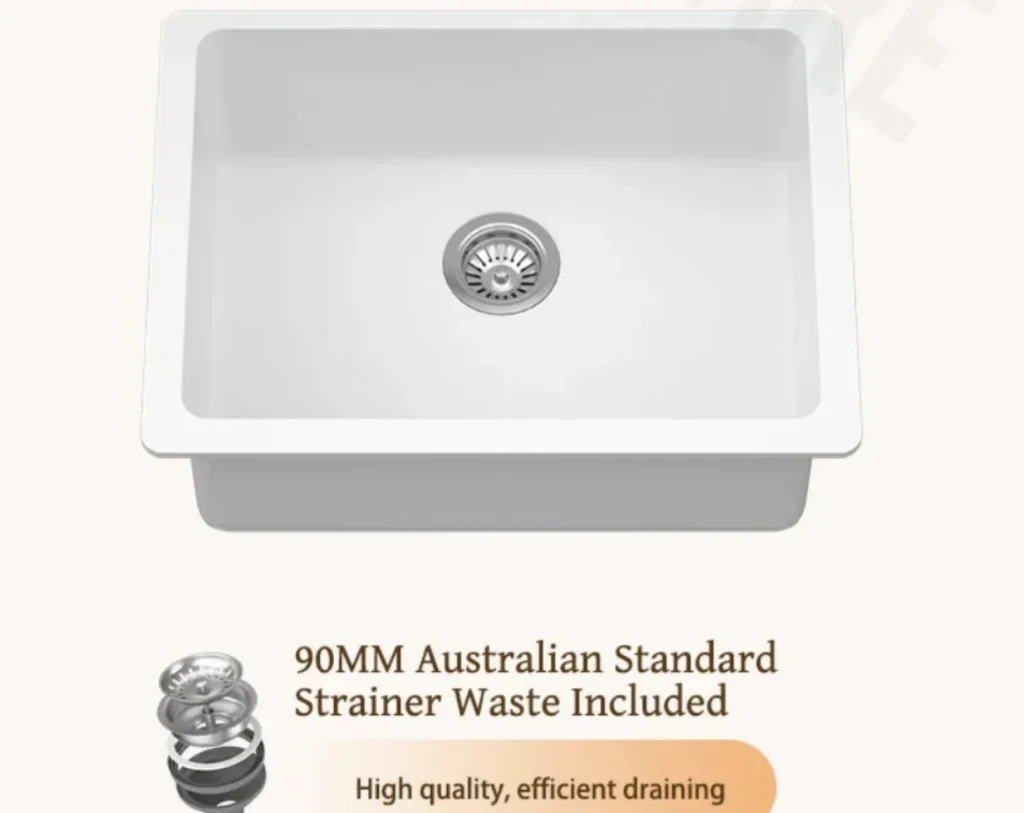
Dropping heavy pots, cast iron pans, or bulky dishes into a granite sink can cause chips, cracks, or stress marks, especially around the drain and corners. Always lower heavy items gently into the basin and use a sink grid or soft mat for extra protection. Extreme heat also poses a risk. While many granite composite sinks resist heat, placing a red-hot pan directly onto the surface can cause thermal shock, discoloration, or hairline cracks. Let cookware cool on a trivet or stove before putting it in the sink. Avoid sudden temperature changes, like pouring boiling water over ice in the basin. Careful handling extends the life of the sink and keeps both the structure and finish intact.
Conclusion
Proper care for granite kitchen sinks come down to consistent, gentle habits. Daily rinsing, mild soap cleaning, and thorough drying prevent stains, cloudiness, and mineral build-up. Choosing stone-safe products and soft tools protects the smooth surface from scratches and wear. With simple steps like using sink grids, managing hard water, and sealing when recommended by the manufacturer, you extend the sink’s life and preserve its rich color. Avoid harsh chemicals, abrasive pads, and careless handling of heavy or hot items. By following these practical guidelines, your granite sink will stay clean, durable, and stylish, providing a strong and attractive focal point in your kitchen or bathroom for years.