Transform Your Home's Outdoor Living Space to Improve Your Mental Health
In an era where mental health awareness has never been more prominent, we're increasingly recognising the profound connection between our physical…
In an era where mental health awareness has never been more prominent, we're increasingly recognising the profound connection between our physical environments and psychological well-being. Whilst much attention has been paid to creating calming interior spaces, the transformative potential of outdoor living areas remains an underutilised resource for many homeowners. Your garden, patio, or balcony isn't merely an aesthetic addition to your property—it's a powerful tool for nurturing your mental health and overall quality of life.
Research consistently demonstrates that spending time in natural environments reduces stress, anxiety, and depression whilst simultaneously boosting mood, cognitive function, and emotional resilience. By thoughtfully transforming your outdoor living space, you create a sanctuary that invites regular engagement with nature, fresh air, and the therapeutic qualities of the outdoors. Whether you have sprawling acreage or a modest balcony, the principles of creating a mentally restorative outdoor environment remain remarkably similar.
- Understanding the Connection Between Outdoor Spaces and Mental Wellbeing
Before embarking on any transformation, it's valuable to understand why outdoor spaces hold such therapeutic potential. Exposure to natural light helps regulate our circadian rhythms, improving sleep quality and mood stability. Fresh air increases oxygen levels in the brain, enhancing cognitive function and mental clarity. The presence of greenery has been shown to lower cortisol levels—the hormone associated with stress—whilst views of nature can reduce blood pressure and heart rate.
Furthermore, outdoor spaces provide opportunities for physical activity, social connection, and mindful practices, all of which contribute significantly to mental health. The simple act of tending to plants offers a sense of purpose and accomplishment, whilst observing seasonal changes grounds us in the present moment. By designing your outdoor area with these psychological benefits in mind, you create a space that actively supports your mental wellbeing rather than serving as mere decoration.
- Creating Zones for Different Mental Health Needs
An effective outdoor living space addresses various aspects of mental health by incorporating distinct zones that serve different purposes. Consider dividing your available space—regardless of size—into areas that facilitate relaxation, activity, social connection, and contemplation.
Your relaxation zone should prioritise comfort and tranquillity. Include comfortable seating with weather-resistant cushions, perhaps a hammock or reclining chair that encourages you to pause and unwind. Position this area to capture morning sunlight or afternoon shade, depending on your preferences. Adding elements like outdoor curtains or privacy screens can enhance the feeling of enclosure and safety, which many find psychologically comforting.
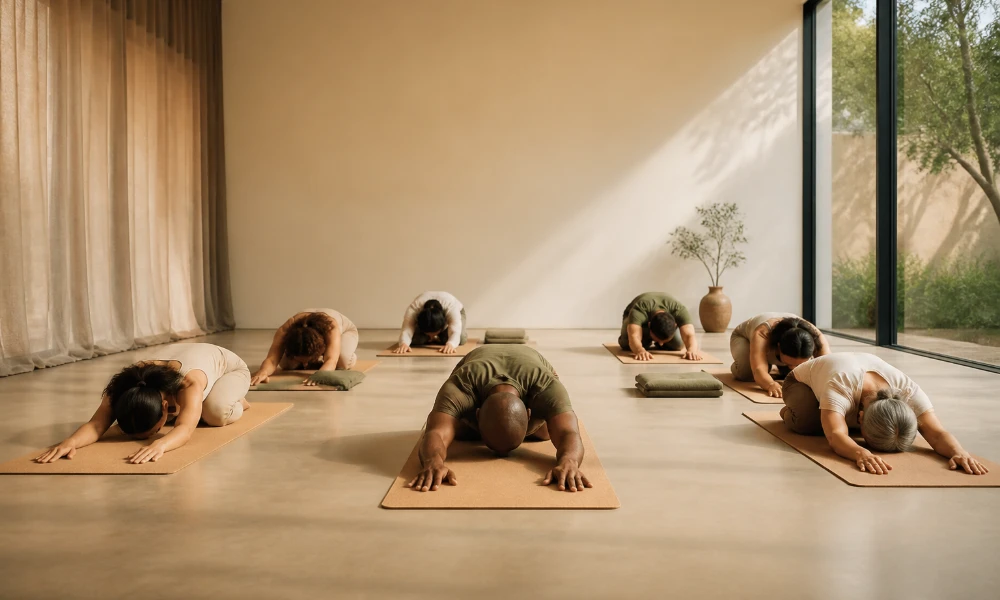
An activity zone encourages gentle physical movement and engagement. This needn't be elaborate—a small area for yoga or stretching, a potting bench for gardening activities, or even a simple path that invites walking meditation can suffice. Physical activity releases endorphins and provides a healthy outlet for processing emotions and managing stress.
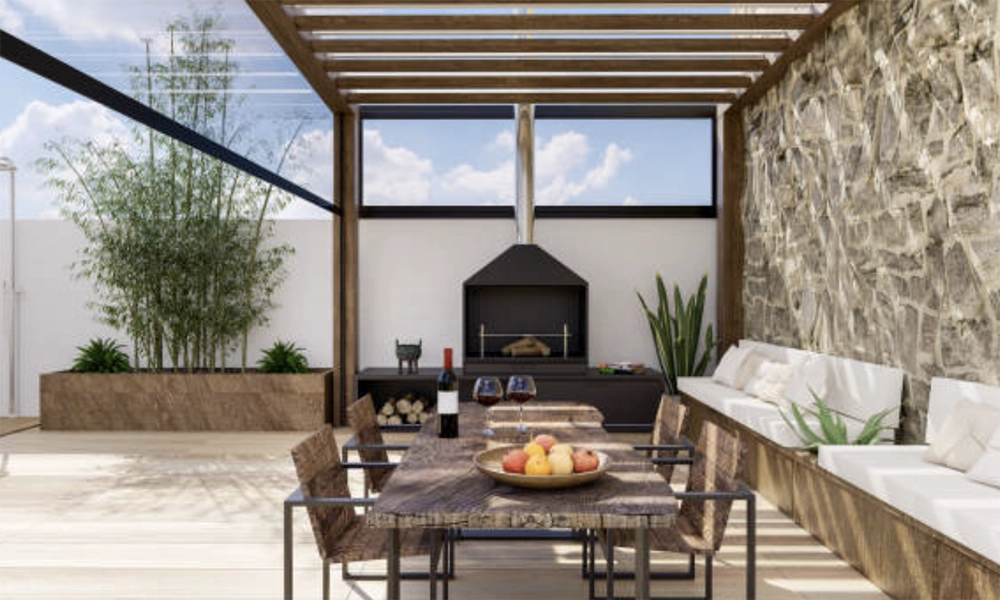
Social zones facilitate connection with others, an essential component of mental wellbeing. A dining area, fire pit, or clustered seating arrangement creates opportunities for meaningful conversations and shared experiences. Even if you live alone, having a welcoming space for occasional guests reinforces social bonds that buffer against isolation and depression.
Finally, a contemplation zone offers space for quiet reflection. This might be a single chair positioned with a view, a small meditation platform, or a focal point like a water feature or sculpture that draws the eye and quiets the mind.
- Incorporating Therapeutic Elements
Certain features possess particularly strong therapeutic qualities and deserve special consideration when transforming your outdoor space. Water features, whether a simple fountain or an elaborate pond, provide soothing ambient sound that masks urban noise pollution whilst creating a focal point for mindfulness. The sound of moving water has been shown to lower stress levels and promote relaxation, making it an invaluable addition for anxiety management.
Greenery forms the foundation of any mentally restorative outdoor space. Incorporate a diverse range of plants that appeal to multiple senses—fragrant herbs like lavender and rosemary for aromatherapy benefits, textured foliage that invites touch, and visually striking flowers that lift mood through colour. Native plants that attract butterflies, bees, and birds add movement and life whilst supporting local ecosystems, providing the psychological benefits of connecting with the broader natural world.
Lighting deserves careful attention, as it determines when and how you'll use your outdoor space. Soft, warm lighting extends usability into evening hours without the harsh glare that can increase stress. Solar lanterns, string lights, or candles create an atmosphere of comfort and safety. Consider also preserving areas of darkness where possible, as connection with the night sky and natural darkness patterns supports healthy sleep-wake cycles.
Sensory engagement through various textures, sounds, and scents creates a rich environment that pulls attention into the present moment—the essence of mindfulness. Include smooth pebbles, rough bark, soft moss, and varied seating materials. Wind chimes, rustling grasses, and crackling fire pits all contribute to a soundscape that soothes the nervous system.
- Designing for Seasonal Engagement
Mental health benefits diminish if your outdoor space remains unused for large portions of the year. Design with all seasons in mind to encourage year-round engagement. This proves particularly crucial in the UK, where weather can be unpredictable.
Incorporate shelter elements such as garden sheds, pergolas, gazebos, or awnings that provide protection from rain whilst maintaining connection to the outdoors. Outdoor heaters or a fire pit extend comfortable usage into cooler months. Consider installing outdoor lighting that makes the space inviting even during winter's early darkness.
Select plants that offer interest throughout the seasons—spring bulbs, summer perennials, autumn foliage, and evergreen structure for winter. This seasonal progression provides something to anticipate and observe, countering the monotony that can contribute to low mood, particularly during darker months.
Weather-resistant storage ensures comfort items remain accessible year-round. Cushions, blankets, and entertainment options stored in attractive outdoor boxes remove barriers to spontaneous outdoor time, increasing the likelihood you'll actually use the space when mood support is needed most.
- Incorporating Mindful Practices into Your Outdoor Space
Beyond design elements, consider how your transformed outdoor space can facilitate specific mindfulness and wellbeing practices. Create a dedicated area for yoga or tai chi with level, stable flooring and sufficient clearance. A small meditation cushion or bench positioned in a quiet corner establishes ritual and routine around contemplative practices.
Gardening itself offers profound mental health benefits through purposeful activity, gentle physical exercise, and the satisfaction of nurturing growth. Even container gardens on balconies provide these benefits. Design your space to make gardening accessible and appealing—raised beds reduce physical strain, organised tool storage removes friction from starting tasks, and a potting station with good working height makes the activity more enjoyable.
Consider incorporating elements that facilitate gratitude practices, such as a small journal kept in weather-resistant storage or stones for writing intentions. Some people find value in creating a small altar or meaningful display with natural objects that ground them in what matters most.
- Balancing Privacy and Openness
Psychological research indicates that humans need both prospect (open views) and refuge (protected enclosures) to feel truly comfortable in a space. Striking this balance significantly impacts how restorative your outdoor area feels.
Privacy screening through fencing, hedging, or trellises creates psychological safety, allowing you to relax fully without feeling observed. However, complete enclosure can feel claustrophobic. Aim for partial screening that provides privacy whilst maintaining connection to the broader environment—perhaps a solid barrier at eye level when seated, with open space above allowing sky views and light penetration.
Position seating to maximise pleasant views whilst minimising exposure to less attractive vistas or neighbouring windows. Strategic planting can frame desirable views whilst softening or blocking unwanted ones, creating what landscape designers call "borrowed scenery" that makes your space feel larger and more connected to nature.
- Making it Manageable
Perhaps the greatest barrier to realising mental health benefits from outdoor spaces is overwhelming maintenance requirements. A demanding garden becomes a source of stress rather than relief. Design with sustainability and manageability at the forefront.
Select low-maintenance plants suited to your climate and soil conditions. Native species typically require less intervention whilst providing greater ecological benefits. Automated irrigation systems remove daily watering obligations. Mulching reduces weeding time whilst improving soil health.
Start small and expand gradually. A modest, well-maintained space provides far greater mental health benefits than an ambitious project that becomes overwhelming. Even a single container of herbs by your door or a comfortable chair on a balcony constitutes a valid starting point.
- Conclusion
Transforming your outdoor living space to support mental health represents an investment that pays dividends daily. Unlike many mental health interventions, a thoughtfully designed outdoor area provides benefits passively—simply by existing, it invites moments of respite, connection, and restoration. The sensory richness of outdoor environments engages us fully, pulling attention from rumination and worry into present-moment awareness.
Whether you undertake a comprehensive redesign or implement modest changes, the principles remain consistent: create comfort, incorporate nature, engage the senses, and remove barriers to regular use. Your outdoor space should feel like an extension of your home—a place you're drawn to naturally rather than a space requiring special occasion or effort to enjoy.
In prioritising your outdoor living area as a mental health resource, you acknowledge the fundamental human need for connection with nature, fresh air, and the restorative qualities of the outdoors. This isn't frivolous luxury but essential self-care, creating a personal sanctuary that supports your psychological wellbeing through all of life's seasons.
Filed underDepression, Stress & burnout, Meditation & mindfulness, Yoga & Pilates, Rest & rejuvenation, Nature, Spa, Home & garden sanctuary