
Creating a Meaningful Farewell for Your Loved One in Botley
When facing the loss of someone dear, families in Botley and the surrounding Hampshire villages find themselves navigating unfamiliar territory at a time when emotions run deepest
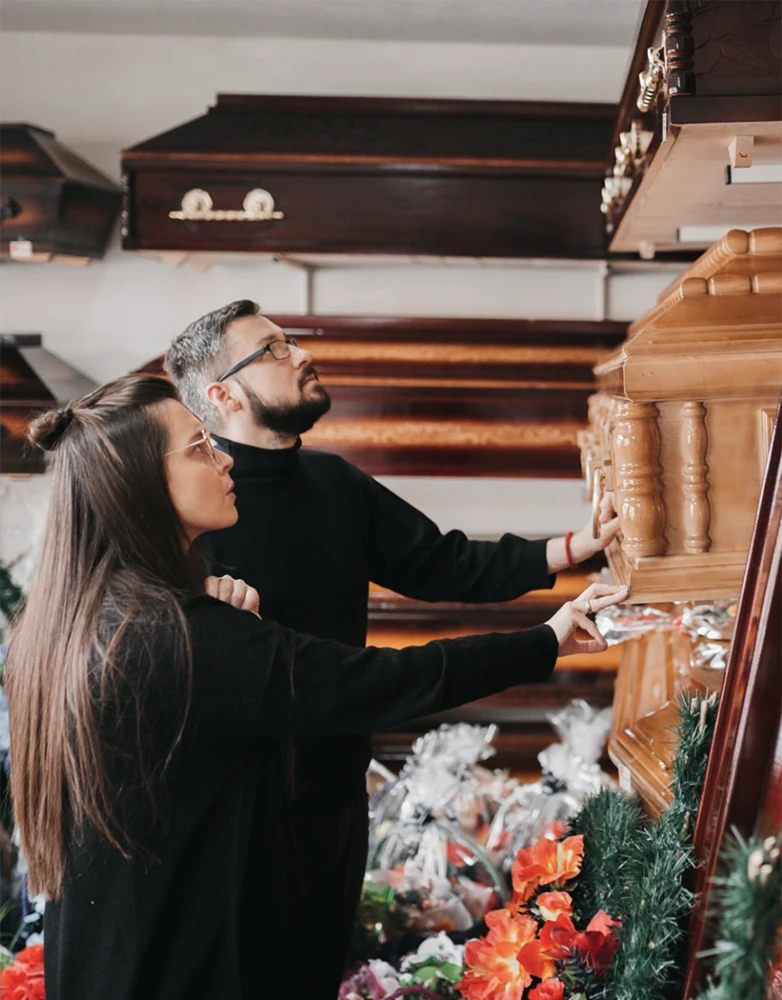
When facing the loss of someone dear, families in Botley and the surrounding Hampshire villages find themselves navigating unfamiliar territory at a time when emotions run deepest. The practical necessities of arranging a funeral can feel overwhelming, particularly when you're unsure where to begin or what questions to ask. This historic village, nestled between Southampton and Fareham, offers a close-knit community where local support during bereavement matters profoundly. Understanding your options for burial or cremation, knowing how to personalise a service that truly reflects your loved one's life, and finding compassionate professionals who can guide you through each step brings invaluable peace of mind. Whether you're planning ahead or responding to a recent loss, having clear information about the funeral arrangement process helps you make thoughtful decisions that honour your loved one's memory whilst caring for yourself and your family during this difficult journey.

Funeral Options Available in Botley
Traditional Burial in Local Settings
Botley's rich history includes several beautiful churchyards and cemeteries that provide peaceful final resting places. St Bartholomew's Church, serving the community for centuries, offers burial plots within its historic grounds, creating a meaningful connection to the village's heritage. The tranquil setting provides a place where families can visit, reflect, and maintain connections with loved ones who have passed.
Burial services typically begin with a ceremony at the church or another chosen venue, followed by committal at the graveside. Families can select individual plots or family graves accommodating multiple interments over time. Traditional headstones, simple markers, or more contemporary memorial designs all help create lasting tributes, subject to churchyard regulations ensuring the grounds remain respectful and well-maintained for all families.
Cremation and Memorial Options
Many Botley families choose cremation, which offers flexibility in how ashes are commemorated. Southampton Crematorium, easily accessible from the village, provides dignified facilities where services of all faiths and none take place. Following cremation, families might choose to inter ashes in cemetery memorial gardens, scatter them in meaningful locations such as the River Hamble or woodland areas special to the deceased, or keep them in decorative urns at home.
The flexibility of cremation allows families to plan memorial services at times and locations most convenient for gathering distant relatives, separate from the committal itself. This proves particularly valuable when loved ones live abroad or when families wish to hold celebrations of life in settings more personal than traditional venues.
Working With Compassionate Professionals
The Role of Local Funeral Directors
Experienced funeral directors serve as guides through the complex process of arranging farewells, handling logistics whilst allowing families to focus on grief and remembrance. Professional services offering Botley Funerals bring local knowledge, established relationships with area venues, and sensitivity to community customs that proves invaluable during bereavement.
A funeral director's responsibilities extend from collecting and caring for the deceased with dignity, through coordinating all practical arrangements including documentation, venue bookings, transport, and liaison with clergy or celebrants, to providing ongoing support and guidance as families navigate decisions about service details, coffin selection, floral tributes, and memorial options.
Choosing Someone You Trust
Selecting a funeral director represents an important decision during a vulnerable time. Consider factors including their reputation within Botley and surrounding communities, transparency about costs without hidden fees, the warmth and understanding they demonstrate during initial meetings, and their willingness to accommodate your specific wishes regardless of religious or cultural requirements.
Established local firms often span generations, with families returning to them through decades because of trusted relationships and consistently compassionate service. Don't hesitate to ask questions about their experience, approach to personalisation, and how they'll support you through each stage of the process.
Creating Personal and Meaningful Services
Reflecting Individual Lives
Modern funerals increasingly move away from one-size-fits-all approaches towards services that genuinely celebrate individual personalities, achievements, and passions. This might involve incorporating favourite music—whether classical pieces, contemporary songs, or even heavy metal if that reflected your loved one's taste. Display photographs chronicling their life, treasured possessions that speak to hobbies or careers, or create video montages sharing memories.
Consider what made your loved one unique. Were they devoted gardeners who'd appreciate floral tributes from their own garden? Passionate about local history? Involved in village organisations? These elements, woven thoughtfully into services, create authentic tributes that resonate with mourners and honour the person being remembered.
Religious and Secular Ceremonies
Botley's churches offer traditional religious services following Anglican customs, though clergy accommodate families with varying levels of faith involvement. Services typically include hymns, prayers, Bible readings, and eulogies celebrating the deceased's life within a framework of Christian hope and comfort.
For families preferring non-religious ceremonies, civil celebrants create bespoke services focusing entirely on the individual without religious content. These might occur at crematoriums, village halls, gardens, or any meaningful location. Celebrants work closely with families to understand the deceased's life story, values, and personality, crafting ceremonies that feel authentic and personal.
Practical Considerations and Costs
Understanding Funeral Expenses
Transparency about costs helps families make informed decisions without financial stress compounding emotional difficulty. Typical funeral expenses in the Botley area include the funeral director's professional fees covering their services and facilities, the coffin or casket, vehicles including hearse and potentially following cars, burial plot purchase or crematorium fees, clergy or celebrant charges, and orders of service printing.
Additional costs might include flowers, catering for wakes, memorial stones or plaques, newspaper death notices, and venue hire if holding services outside churches or crematoriums. Request detailed, itemised quotations from funeral directors, ensuring you understand exactly what's included and what represents optional extras.
Financial Support and Planning
Funeral costs cause genuine hardship for some families, though several support options exist. Pre-paid funeral plans allow people to arrange and pay for their own funerals in advance, locking in current prices whilst removing the burden from relatives. Life insurance policies often include provisions for funeral expenses, whilst some workplace pensions provide death-in-service benefits.
The government's Funeral Expenses Payment assists those receiving certain benefits with some costs, though it doesn't cover everything and requires prompt application. Some banks release funds from the deceased's accounts specifically for funeral expenses before probate completes. Discuss any financial concerns openly with funeral directors—most help families arrange dignified services within budget constraints.
Supporting Each Other Through Grief
Community Resources in Botley
Botley's strong community spirit manifests particularly during times of loss. Local churches offer bereavement support groups where sharing experiences with others facing similar losses provides comfort and understanding. The village's various clubs and organisations—whether the Royal British Legion, WI, or sports clubs—often support members through bereavement, demonstrating the value of maintaining community connections.
Beyond informal support, professional bereavement counselling services operate throughout Hampshire, offering individual or group sessions helping people process grief, adjust to loss, and gradually rebuild lives whilst honouring memories of those who've passed.
Taking Time to Grieve
Everyone grieves differently, with no "correct" timeline or prescribed emotions. Some find comfort in keeping busy, others need time alone, whilst many oscillate between coping well and struggling intensely. All these responses are normal. Allow yourself permission to grieve in whatever way feels right without judging yourself against others' experiences or societal expectations.
Marking anniversaries, birthdays, or special occasions can prove difficult in the first year and beyond. Some families find comfort in memorial rituals—visiting graves, lighting candles, or gathering to share memories. Others prefer to celebrate their loved one's life through actions they would have valued, such as supporting favourite charities or continuing hobbies they enjoyed.
FAQ Section
How long does it typically take to arrange a funeral in Botley?
Most funerals occur 2-3 weeks after death, allowing time for family to gather, paperwork to be completed, and arrangements to be made. This timeline accommodates registering the death, booking venues, notifying relatives and friends, and making decisions about service details. Some circumstances—such as post-mortems or delays obtaining death certificates—may extend this period.
Can we hold a funeral service at home or in a meaningful outdoor location?
Yes, funeral services can take place in various settings including family homes, gardens, village halls, or outdoor locations meaningful to the deceased. However, the actual burial or cremation must occur at licensed facilities. Many families hold memorial services or celebrations of life in personal locations separate from the committal, providing flexibility in how they honour their loved one.
What happens if family members disagree about funeral arrangements?
Disagreements during bereavement, whilst distressing, aren't uncommon. Legally, the next of kin or appointed executor holds decision-making authority. However, most families benefit from discussing preferences openly, perhaps with a funeral director mediating sensitively. Focus on what the deceased would have wanted rather than individual preferences, and consider compromises like incorporating elements meaningful to different family members.
Do we need to purchase the most expensive coffin or options?
Absolutely not. Funeral directors should offer a range of coffins at various price points, from simple options to more elaborate designs. The coffin's purpose is to provide dignified transport and committal—expensive doesn't mean more respectful. Choose based on budget, aesthetic preferences, and environmental considerations if relevant, not pressure or guilt about demonstrating love through expense.
How do we let the wider community know about the funeral?
For immediate family and close friends, personal phone calls or messages feel most appropriate. For wider notification, death notices in local newspapers like the Southern Daily Echo, posts in community Facebook groups, or online memorial sites reach broader networks. Include service details, any requests about donations to charities instead of flowers, and dress code if you have preferences about attendees' attire.
Conclusion
Arranging a funeral in Botley combines the practicalities of coordinating services with the deeply emotional work of honouring a life whilst supporting each other through grief. The village's close community, beautiful historic settings, and access to compassionate professional support create an environment where meaningful farewells can unfold with dignity and personal significance. By understanding your options, working with experienced local funeral directors who respect your wishes, and allowing yourself time and space to grieve, you navigate this difficult journey whilst creating lasting tributes that celebrate the unique individual you've lost and provide comfort to all who mourn their passing.
Filed underStress & burnout, Grief & loss, Cosmetic & aesthetics, Counselling & talking therapy, Nature, Connection, Calm, Home & garden sanctuary