The American Dental Association’s 2024 data reveals that nearly 92% of adults have experienced tooth decay in their permanent teeth, yet most of these cases could have been prevented through consistent daily habits established early in life. As dental technology advances and our understanding of oral health deepens, the gap between those who maintain excellent dental health and those who struggle with ongoing problems continues to widen — and it’s not just about genetics.

What’s particularly striking is how small daily decisions compound over decades. A teenager who skips flossing might not notice immediate consequences, but by age 40, the cumulative impact becomes undeniable through gum recession, bone loss, and expensive restorative needs. For anyone looking to avoid this trajectory, understanding which habits truly matter — and which common practices might actually be counterproductive — can reshape your oral health for life.
The following evidence-based strategies address everything from foundational care routines to specialized needs for braces wearers and those with sensitive teeth, while debunking pervasive myths that lead people astray.
What Daily Habits Support Effective Dental Care?
Building effective dental care starts with mastering three fundamental practices that work synergistically: strategic brushing, proper flossing, and targeted mouthwash use. The key lies not just in doing these activities, but in understanding the science behind why timing, technique, and product selection matter more than frequency alone.
Brushing technique makes the difference between effective plaque removal and simply moving bacteria around your mouth. Hold your toothbrush at a 45-degree angle to your gum line, using gentle circular motions rather than aggressive back-and-forth scrubbing. The bristles should sweep away from the gums toward the tooth surface, spending about 30 seconds on each quadrant of your mouth. Most people brush too hard and too fast — think of it as massaging rather than scrubbing.
Fluoride toothpaste remains the gold standard for cavity prevention, but timing matters more than most people realize. After brushing, spit out excess toothpaste but avoid rinsing with water immediately. This allows fluoride to continue working on your teeth for several hours. The optimal fluoride concentration for adults is 1,450 ppm (parts per million), which you’ll find listed on most standard toothpastes.
Flossing effectiveness depends entirely on technique. String floss between your teeth, curve it into a C-shape around each tooth, and slide it under the gum line where toothbrush bristles can’t reach. This process removes the bacterial film that forms between teeth — the primary cause of gum disease. Water flossers can supplement string floss but shouldn’t replace it entirely, as they lack the mechanical action needed to disrupt stubborn biofilm.
The sequence matters too: floss first to loosen debris, brush second to remove what’s been disturbed, then use mouthwash as a final antimicrobial rinse. This order maximizes the effectiveness of each step rather than working against the others.
How Does Dental Care Change for Braces and Sensitive Teeth?
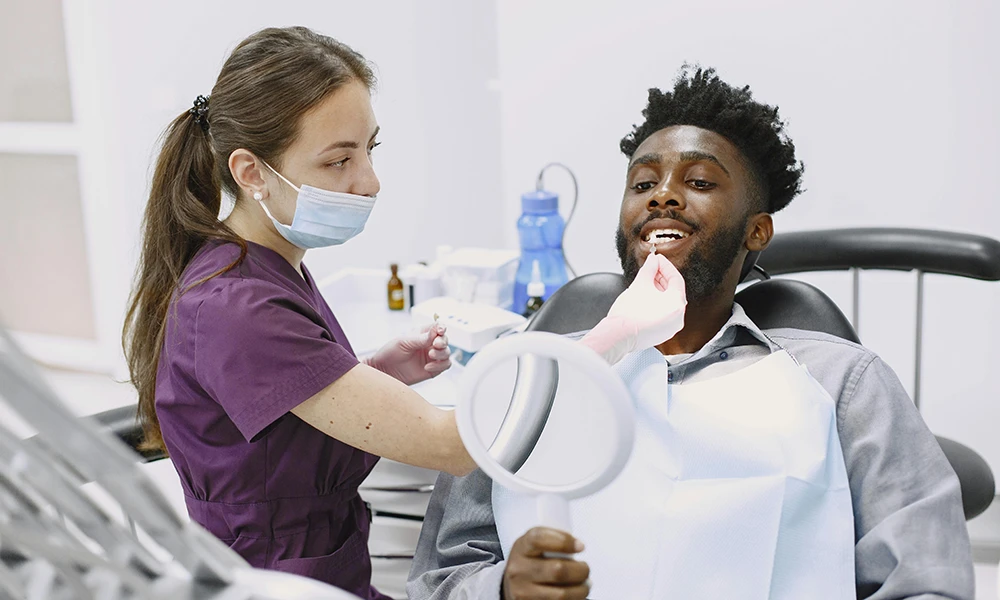
Standard dental care routines require significant modifications for people with orthodontic appliances or tooth sensitivity. These conditions create unique challenges that standard brushing and flossing simply can’t address effectively, requiring specialized tools and techniques to prevent complications.
What Are the Best Dental Care Tips for Braces Wearers?
Orthodontic appliances create dozens of additional surfaces where food particles and bacteria can accumulate, turning routine cleaning into a complex navigation exercise. The spaces around brackets, under wires, and between appliances become prime real estate for plaque buildup that can lead to permanent white spots on teeth — marks that remain visible long after braces come off.
Specialized tools become essential rather than optional. An interdental brush (also called a proxy brush) can clean around brackets and under wires where regular toothbrush bristles can’t reach. Water flossers prove particularly valuable for orthodontic patients, as they can flush out food particles from hard-to-reach areas before they become problematic. Threading floss under archwires requires patience but remains necessary for thorough cleaning between teeth.
Modified brushing technique involves angling the toothbrush both above and below the archwire to clean all surfaces of each tooth. Spend extra time on areas around brackets, where enamel is most vulnerable to demineralization. Consider using an electric toothbrush with an orthodontic brush head, designed specifically for cleaning around appliances.
The stakes are higher for orthodontic patients because poor hygiene during treatment can cause irreversible damage that becomes visible once braces are removed, undermining the entire investment in a beautiful smile.
How Can You Manage Sensitive Teeth with Proper Dental Care?
Tooth sensitivity often develops gradually, making people unknowingly adapt their habits in ways that actually worsen the problem. Understanding what triggers sensitivity — and how to protect exposed dentin — requires rethinking both product choices and daily techniques.
Desensitizing toothpaste works by blocking the tiny tubules in exposed dentin that transmit pain signals to nerves. However, these products require consistent use for 2-4 weeks before showing full effectiveness. Look for potassium nitrate or stannous fluoride as active ingredients, and apply the toothpaste directly to sensitive areas for a few minutes before brushing for enhanced protection.
Gentle brushing becomes critical because aggressive brushing often causes the gum recession that exposes sensitive root surfaces in the first place. Use a soft-bristled toothbrush and avoid brushing immediately after consuming acidic foods or drinks, when enamel is temporarily softened. Wait at least 30 minutes to allow saliva to neutralize acids and reharden the enamel surface.
Temperature management helps prevent triggering sensitivity throughout the day. Rinse with lukewarm rather than cold water, and consider using a straw for cold beverages to minimize contact with sensitive teeth. These small adjustments can make daily oral care more comfortable while protecting vulnerable areas from further damage.
How Can You Prevent Dental Plaque and Gum Disease Effectively?
Plaque forms continuously as bacteria in your mouth feed on sugars and starches from food, creating a sticky biofilm that adheres to teeth within hours of cleaning. Left undisturbed, this biofilm hardens into tartar within 48-72 hours — a calcified deposit that can only be removed by professional cleaning. Understanding this timeline reveals why consistency matters more than perfection in daily oral care.
Biofilm disruption requires mechanical action, which is why brushing and flossing remain irreplaceable despite advances in antimicrobial rinses and other technologies. The bacteria in dental plaque organize themselves into complex communities that develop resistance to chemical treatments when left undisturbed. Daily mechanical removal resets this process before bacteria can establish these protective structures.
Gum disease progression follows a predictable pattern that most people don’t recognize until damage becomes severe. Gingivitis — the earliest stage — presents as slight bleeding during brushing or flossing, which many people mistakenly interpret as a reason to brush more gently or skip flossing. This reaction allows the condition to progress to periodontitis, where infection spreads below the gum line and begins destroying the tissues and bone that support teeth.
Strategic nutrition plays a supporting role in plaque prevention. Limiting frequent snacking reduces the number of acid attacks on teeth throughout the day, while choosing foods that require chewing — like raw vegetables — helps stimulate saliva production. Saliva acts as your mouth’s natural defense system, neutralizing acids and washing away food particles between brushings.
The most effective prevention strategy combines consistent mechanical removal of biofilm with habits that support your mouth’s natural protective mechanisms. This approach prevents small problems from becoming major ones while maintaining the healthy oral environment that makes daily care easier and more effective over time.
What Are Common Dental Myths That Affect Your Oral Health?
Despite widespread access to dental information, several persistent myths continue to influence how people care for their teeth, sometimes leading to habits that actually harm rather than help oral health. These misconceptions often sound logical but contradict current dental science and clinical experience.
The “harder brushing equals cleaner teeth” myth leads many people to use excessive pressure and stiff-bristled toothbrushes, believing this removes more plaque and bacteria. In reality, aggressive brushing wears away enamel and causes gum recession, creating the exact problems people are trying to prevent. The mechanical action of proper brushing technique removes plaque far more effectively than brute force.
Fluoride fears have gained traction despite decades of research demonstrating safety and effectiveness at recommended levels. Some people avoid fluoride toothpaste entirely, believing it’s harmful, but this leaves teeth significantly more vulnerable to decay. The fluoride concentrations in dental products are carefully regulated and provide crucial protection against acid attacks from bacteria.
“Sugar-free means tooth-safe” assumptions cause people to overlook other dietary factors that affect oral health. Many sugar-free products contain acids that can erode enamel, while frequent snacking on any carbohydrate — even healthy options like whole grains — feeds the bacteria that cause tooth decay. Timing and frequency of eating often matter more than specific food choices.
Professional cleaning myths suggest that regular dental visits damage teeth or that good home care makes professional cleanings unnecessary. In reality, professional cleanings remove tartar buildup that home care cannot address, while dental examinations detect problems in early stages when treatment is simpler and less expensive. The relationship between home care and professional care is complementary, not competitive.
These myths persist because they often contain a grain of truth that gets distorted over time. Understanding the science behind dental recommendations helps people make informed decisions rather than following well-intentioned but misguided advice.
Why Are Professional Dental Visits Essential for Lasting Oral Health?
Even exemplary daily oral care cannot replace the diagnostic capabilities and specialized treatments that modern dental practice provides. Professional visits serve two distinct but equally important functions: detecting problems that aren’t yet visible or symptomatic, and removing accumulated deposits that home care cannot address.
Diagnostic technology reveals problems developing beneath the surface long before they become painful or visible. Digital x-rays detect decay between teeth, bone loss from gum disease, and impacted teeth that could cause future complications. Intraoral cameras allow dentists to show patients exactly what’s happening in their mouths, making abstract concepts like “early decay” or “gum inflammation” tangible and understandable.
Professional cleaning addresses the reality that even meticulous home care leaves some areas incompletely cleaned. Dental hygienists use specialized instruments to remove tartar deposits that have hardened beyond what brushing and flossing can handle. They also polish teeth to remove surface stains and create smooth surfaces that resist future plaque accumulation.
Preventive treatments available in dental offices provide protection that extends far beyond daily care routines. For families in Fort Lauderdale seeking comprehensive oral health care, working with a Fort Lauderdale dentist ensures access to treatments like fluoride varnishes, dental sealants, and early intervention strategies that complement home care habits.
Regular professional care creates a feedback loop that improves home care effectiveness. Dental professionals can identify which areas need more attention during daily cleaning, recommend products suited to individual needs, and adjust treatment approaches as oral health needs change over time.
The integration of excellent daily habits with regular professional care creates a comprehensive approach that addresses both prevention and early intervention, maximizing the likelihood of maintaining healthy teeth throughout life while minimizing the need for extensive restorative treatments.
- About the Author
- Latest Posts

Our Editorial Team are writers and experts in their field. Their views and opinions may not always be the views of Wellbeing Magazine. If you are under the direction of medical supervision please speak to your doctor or therapist before following the advice and recommendations in these articles.