The American Dental Association’s 2024 consumer survey revealed that over 37 million Americans used at-home whitening products last year — a 23% increase from 2022. As the market floods with everything from LED kits to charcoal powders promising Hollywood smiles, a critical question emerges: are we trading convenience for long-term enamel health?

This surge reflects more than just vanity. Remote work culture has put our faces on camera daily, social media continues to fuel appearance consciousness, and professional whitening costs have pushed many toward DIY alternatives. Yet behind the marketing claims and before-and-after photos lies a complex chemical process that directly impacts the hardest substance in your body — tooth enamel.
For the millions reaching for whitening strips or mixing up peroxide gels in their bathrooms, understanding what’s actually happening to their teeth during treatment isn’t academic curiosity. It’s the difference between achieving a brighter smile and potentially causing irreversible damage that could require costly restoration work years later.
The path forward requires examining the science behind whitening mechanisms, comparing safety profiles across different approaches, and establishing evidence-based guidelines for protecting enamel while pursuing aesthetic goals.
How Does At-Home Teeth Whitening Work?
At-home whitening relies on a straightforward chemical process: hydrogen peroxide or carbamide peroxide penetrates tooth enamel to break down stain molecules through oxidation. Think of it like bleaching fabric — the peroxide doesn’t scrub away discoloration but chemically alters the molecular structure of stains, making them colorless.
The concentration levels distinguish products significantly. Over-the-counter strips typically contain 6-10% hydrogen peroxide, while custom trays from dentists may reach 22% carbamide peroxide (equivalent to about 8% hydrogen peroxide). Carbamide peroxide breaks down more slowly, releasing hydrogen peroxide gradually over several hours, which explains why tray systems often require longer wear times but may cause less immediate sensitivity.
Enamel permeability plays a crucial role in this process. Tooth enamel contains microscopic pores that expand slightly when exposed to peroxide, allowing the bleaching agent to reach deeper stain molecules. However, this same porosity that enables whitening also creates vulnerability. During treatment, enamel temporarily becomes more porous and susceptible to acid erosion from foods and beverages.
The whitening process primarily targets extrinsic stains (surface discoloration from coffee, wine, tobacco) and some intrinsic stains (discoloration within the tooth structure). However, certain types of discoloration — particularly gray stains from tetracycline antibiotics or fluorosis — respond poorly to peroxide-based treatments regardless of concentration.
Most people notice initial results within three to five days, with maximum effects typically achieved after two weeks of consistent use. The process isn’t permanent because teeth continuously accumulate new stains from daily exposure to chromogenic substances. Understanding these fundamentals helps explain why aggressive overuse doesn’t accelerate results but can significantly increase risks to enamel integrity.
How Does At-Home Whitening Compare With Professional Treatments?
Professional whitening treatments use significantly higher peroxide concentrations — often 15-35% hydrogen peroxide versus the 3-10% found in consumer products. This concentration difference means professional treatments can achieve comparable results in a single 60-90 minute session rather than weeks of at-home applications.
The controlled environment makes the crucial difference for enamel safety. Dental offices use protective barriers for gums, precise application techniques, and neutralizing agents to stop the bleaching process at optimal timing. Professional-grade peroxide is also typically buffered with desensitizing agents and has a more stable pH, reducing the risk of enamel softening during treatment.
Application precision represents another safety advantage. Dentists can customize gel placement to avoid areas where enamel is naturally thin (near the gum line) or previously compromised. At-home products rely on one-size-fits-all strips or trays that may not fit properly, leading to uneven exposure or gel contact with sensitive gum tissue.
However, professional treatments aren’t automatically safer in all contexts. The higher concentration means more dramatic chemical changes occur in shorter timeframes, which can trigger severe sensitivity in susceptible individuals. Some people experience better tolerance with lower-concentration home treatments spread over longer periods.
Cost considerations often drive people toward at-home options, with professional whitening ranging from $300-800 versus $20-150 for home kits. Yet this calculation doesn’t account for potential enamel damage from improper home use, which could require expensive restorative work. Many dental professionals now offer a hybrid approach: professional-strength custom trays for home use, combining safety oversight with convenience and cost-effectiveness.
The key difference isn’t just concentration but professional oversight throughout the process, allowing for immediate adjustments if complications arise.
What Are the Potential Risks to Enamel and Teeth Sensitivity?
At-home whitening poses several distinct risks to dental health, with enamel damage and increased sensitivity representing the most serious concerns. Unlike professional settings where complications can be immediately addressed, home users often continue treatment despite warning signs, potentially causing cumulative damage that becomes apparent only after significant harm has occurred.
The primary risk stems from unsupervised use of chemical agents that temporarily alter enamel structure. While manufacturers provide usage instructions, many consumers ignore timing recommendations or use products more frequently than advised, believing more aggressive treatment will accelerate results.
What Risks Affect Enamel During Whitening?
Enamel erosion represents the most serious long-term risk from at-home whitening overuse. Research from the University of Minnesota’s dental school found that repeated exposure to peroxide concentrations above 10% can cause measurable enamel thinning, particularly when combined with acidic beverages consumed within hours of treatment.
The mechanism involves temporary enamel softening during the whitening process. While enamel typically remineralizes within 24-48 hours after treatment, this recovery period requires avoiding acidic foods and drinks. Many home users unknowingly sabotage this process by consuming coffee, citrus, or wine immediately after whitening, when enamel is most vulnerable.
Micro-crack formation can occur when whitening products are used on teeth with existing small fractures or areas of demineralization. The expansion and contraction of enamel pores during repeated treatments may worsen these microscopic defects, potentially leading to larger structural problems over time.
Certain individuals face higher risks, including those with naturally thin enamel, previous dental restorations, or genetic predispositions to enamel defects. Unfortunately, these risk factors aren’t always obvious without professional evaluation, leaving home users unaware of their vulnerability until damage occurs.
How Can Sensitivity and Gum Irritation Be Managed Safely?
Tooth sensitivity during whitening occurs when peroxide penetrates through enamel to reach the dentin layer containing nerve endings. This process is normal but becomes problematic when treatments are too frequent or concentrations too high for individual tolerance levels.
Managing sensitivity requires recognizing early warning signs: sharp pain when consuming hot or cold items, discomfort that persists between treatments, or sensitivity that worsens rather than stabilizes over the first few applications. When these symptoms appear, stopping treatment for 48-72 hours usually allows nerve irritation to subside.
Gum irritation typically results from poor-fitting trays or strips that allow gel contact with soft tissue. Professional dental organizations recommend using desensitizing toothpaste containing potassium nitrate for two weeks before beginning whitening treatments and continuing throughout the process.
Timing strategies can significantly reduce sensitivity. Using whitening products every other day rather than daily gives enamel time to recover between treatments. Avoiding temperature extremes in food and beverages during treatment periods prevents triggering sensitized nerve endings.
For individuals experiencing persistent sensitivity, switching to lower-concentration products or shorter application times often maintains whitening progress while eliminating discomfort. The goal should be gradual improvement rather than rapid transformation that compromises dental comfort or health.
How to Choose Safe At-Home Whitening Products and Use Them Properly?
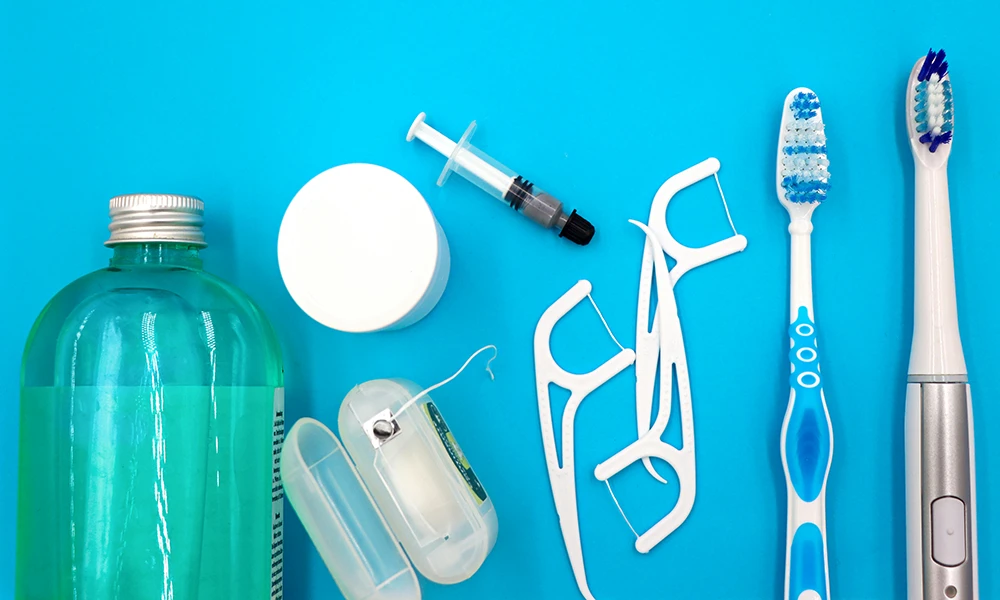
Product selection and usage protocols directly determine whether at-home whitening enhances your smile safely or creates lasting dental problems. With hundreds of products claiming superior results, understanding the markers of enamel-safe formulations becomes essential for protecting long-term oral health.
The most critical factor isn’t the marketing promises but the actual ingredients and their concentrations. Products that combine whitening agents with enamel-strengthening compounds offer better safety profiles than those focusing solely on bleaching power.
What Should You Look for in Enamel-Safe Whitening Products?
ADA Seal of Acceptance represents the gold standard for product safety and efficacy. These products undergo rigorous testing for both whitening effectiveness and enamel safety, with independent verification of manufacturer claims. While not all safe products carry this seal, those that do provide additional confidence in their formulation.
Peroxide concentration should align with your experience level and sensitivity tolerance. First-time users benefit from starting with 3-6% hydrogen peroxide products, while those with previous positive experiences can consider 6-10% formulations. Concentrations above 10% in home products often provide minimal additional whitening benefit while significantly increasing sensitivity risks.
Buffered formulations contain additional ingredients that stabilize pH levels during treatment. Look for products listing potassium nitrate (reduces sensitivity), fluoride (supports remineralization), or calcium phosphate (strengthens enamel structure). These additives indicate manufacturers prioritize dental health alongside cosmetic results.
Custom-fitted trays from dental offices provide superior safety compared to one-size-fits-all strips. Proper fit ensures even gel distribution, prevents tissue contact, and allows precise control over treatment areas. While more expensive initially, custom trays reduce waste, provide better results, and minimize safety risks over multiple uses.
Avoid products making extreme claims (“8 shades whiter overnight”) or containing unknown ingredients. Established brands with dental professional endorsements typically offer more reliable safety profiles than newly-launched products with limited testing data.
What Are Recommended Usage Practices to Protect Teeth?
Treatment timing significantly impacts both results and safety. Using whitening products immediately before bed allows maximum contact time without food or beverage interference while giving enamel overnight recovery time. However, individuals prone to sensitivity may prefer morning treatments to monitor reactions throughout the day.
Pre-treatment preparation involves using fluoride toothpaste for several days before beginning whitening to strengthen enamel structure. Avoiding acidic foods and beverages for 2-3 hours before treatment prevents compound chemical stress on tooth surfaces.
Application protocols must be followed precisely. More gel doesn’t improve results but increases sensitivity and waste. Excess gel that contacts gums should be immediately removed with a clean finger or soft cloth. Treatment duration should never exceed manufacturer recommendations, regardless of desired intensity.
Post-treatment care requires avoiding staining substances for 24-48 hours after each session. This includes coffee, red wine, berries, and tobacco products. When professional teeth whitening services in Wicker Park evaluate treatment outcomes, they emphasize this post-care period as crucial for both maintaining results and preventing enamel damage during the remineralization process.
Recovery periods between treatment cycles allow enamel to fully restore its mineral content. Most dental professionals recommend 3-6 month intervals between intensive whitening courses, with maintenance treatments as needed based on individual staining patterns and lifestyle factors.
What Factors Influence Whitening Effectiveness and How Can You Maintain Results?
Whitening effectiveness varies dramatically based on stain types, individual enamel characteristics, and lifestyle factors that many people overlook when setting expectations. Understanding these variables helps establish realistic goals while maximizing both safety and results from home treatments.
Intrinsic versus extrinsic stains respond differently to peroxide-based treatments. Surface stains from coffee, wine, and tobacco (extrinsic) typically lighten within the first week of treatment. Deeper discoloration from medications, genetics, or aging (intrinsic) requires longer treatment periods and may never achieve the dramatic results seen in marketing materials.
Enamel thickness and density vary significantly between individuals and even between teeth in the same mouth. Thicker enamel provides more whitening potential but requires longer treatment times. Thinner enamel, common near the gum line and on older teeth, whitens faster but faces higher risks of sensitivity and damage.
Age-related factors affect both whitening potential and safety considerations. Younger enamel typically responds better to treatment, while older teeth may have accumulated more intrinsic staining that resists bleaching. Additionally, enamel naturally becomes thinner and more translucent with age, making aggressive whitening potentially counterproductive by emphasizing yellow dentin underneath.
Maintenance strategies determine how long results persist after treatment completion. The most effective approach combines periodic touch-up treatments with consistent prevention of new stain accumulation. Using whitening toothpaste between treatments can help maintain results, though these products should contain mild abrasives to avoid enamel wear.
Dietary modifications during and after whitening significantly impact both immediate results and long-term maintenance. Beyond avoiding obvious staining culprits, reducing acidic beverage consumption protects enamel during its vulnerable post-treatment phase. Drinking staining beverages through straws and rinsing with water afterward minimizes contact with freshly whitened surfaces.
The key to sustainable results lies in viewing whitening as an ongoing process rather than a one-time treatment. Regular dental cleanings, consistent oral hygiene, and strategic lifestyle modifications often prove more valuable for long-term smile brightness than repeated intensive whitening cycles that stress enamel unnecessarily.
For most people, achieving a natural-looking improvement of 2-4 shades provides the best balance of noticeable results and enamel preservation. Setting realistic expectations from the beginning prevents the overuse that leads to sensitivity, damage, and diminishing returns from repeated treatments.
- About the Author
- Latest Posts

Our Editorial Team are writers and experts in their field. Their views and opinions may not always be the views of Wellbeing Magazine. If you are under the direction of medical supervision please speak to your doctor or therapist before following the advice and recommendations in these articles.