Is Liquid Microneedling Worth It for Acne Scars and Uneven Texture?
Acne scars have a way of sticking around longer than you’d like. You clear the breakouts, but the marks, rough patches, and uneven tone stay behind.
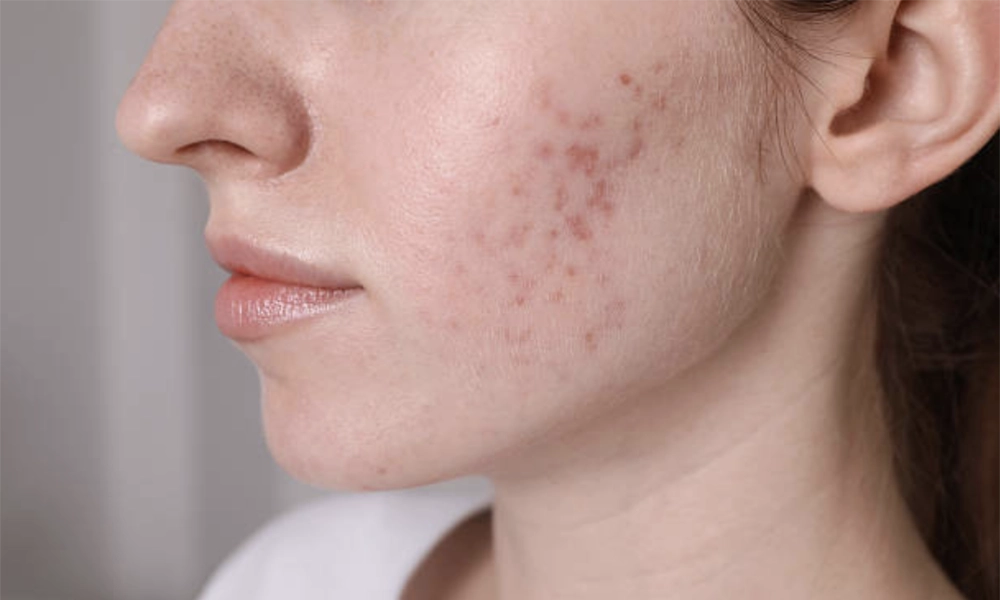
Acne scars have a way of sticking around longer than you’d like. You clear the breakouts, but the marks, rough patches, and uneven tone stay behind. That’s usually when treatments start to come up. One option you might have seen lately is liquid microneedling.
It sounds a bit confusing, to be honest. No needles, but still called microneedling. So the real question is simple. Does it actually work for acne scars and uneven texture, or is it just another trend?
Below is a closer, more honest look at what this treatment does, where it helps, and where expectations need to stay grounded.
1. It Works Differently From Traditional Microneedling
Traditional microneedling uses tiny needles to create controlled micro-injuries in the skin. That process helps boost collagen, which smooths out scars and uneven texture over time.
Instead of physical needles, liquid microneedling relies on microscopic spicules, tiny needle-like particles suspended in a serum that gently stimulate the skin when applied. The goal is similar, encouraging repair and renewal, but in a milder, less invasive way.
When you start looking into liquid microneedling, you’ll notice it isn’t just one fixed method. There are different variations built around the same idea. A common reason people explore treatments like CellStory liquid microneedling is that they follow this spicule-based approach while allowing active ingredients to absorb more effectively.
In practices like Novella Form & Facial, where treatments are chosen based on how the skin responds and how much downtime someone can manage, this type of treatment is often considered when a gentler path to improving texture makes more sense. The focus tends to stay on gradual repair rather than aggressive resurfacing.
2. It Can Improve Mild Acne Scars and Texture
If your acne scars are shallow or your skin feels rough rather than deeply indented, this is where liquid microneedling starts to make sense.
The treatment encourages collagen production and faster skin turnover. Over time, that can help smooth out uneven areas and soften the look of marks left behind by acne.
It also helps with things like:
- Enlarged pores
- Dull skin
- Uneven tone
- Mild pigmentation
That’s why many people notice their skin looks brighter and feels smoother within a few days after treatment. Some sources even note visible improvements within about 72 hours as the skin begins to renew itself.
But there’s a limit to what it can do. If the scars are deep, like ice-pick or boxcar scars, this treatment usually won’t be strong enough on its own. In those cases, deeper procedures are often needed to reach the lower layers of the skin.
3. The Biggest Appeal Is Minimal Downtime
This is where liquid microneedling stands out the most. Traditional microneedling often comes with redness, skin sensitivity, and a few days of recovery. Liquid microneedling, on the other hand, is much gentler. Most people only notice slight redness that fades quickly.
There’s no bleeding. No numbing cream. And you can usually go back to your routine almost immediately.
For a lot of people, that convenience is what makes it appealing. You don’t have to plan your week around recovery. In practice, this is often why someone chooses it. Not necessarily because it’s the strongest option, but because it fits better into daily life.
4. It Can Be a Better Option for Acne-Prone or Sensitive Skin
One thing that often surprises people is that traditional microneedling isn’t always recommended when acne is still active. That’s because creating micro-injuries in already inflamed skin can spread bacteria or make irritation worse.
Liquid microneedling can sometimes be used more safely in these situations, depending on the formulation and the condition of your skin. Some versions are designed to calm inflammation while still encouraging healing.
There are even cases where it’s described as helping acne-prone skin improve while treating leftover marks at the same time.
Still, this doesn’t mean it’s for everyone. If your skin is highly reactive or dealing with certain conditions, a proper consultation matters. Skipping that step can lead to the wrong treatment choice.
5. Results Build Gradually, Not Instantly
This is the part many people don’t always expect.
You might see a glow or smoother feel within a few days, but long-term improvement takes consistency. Collagen production doesn’t happen overnight. It builds over time. Most treatment plans involve multiple sessions spaced out over weeks. Each one adds to the last. That slower build is actually part of why results tend to look natural. The skin improves bit by bit, rather than changing all at once.
What we’ve seen is that people who go in expecting subtle, steady improvement tend to feel more satisfied than those expecting dramatic changes after one session.
Conclusion
Liquid microneedling sits somewhere in the middle. It’s more active than basic skincare, but gentler than traditional microneedling.
If you’re dealing with mild acne scars, uneven texture, or dull skin, it can be a solid option. Especially if downtime is a concern or your skin leans sensitive.
But it’s not a fix-all.
Deeper scars will likely need stronger treatments. And even with the right candidate, results take time and consistency.
So is it worth it?
For the right skin concerns, yes. Just with realistic expectations.
Filed underSkin conditions, Injury & recovery