9 Expert-Backed Ways To Make Your Dental Implants Last As Long As Possible
Dental implants are one of the most effective and natural-looking solutions in modern dentistry - but they're also one of the more significant financial…

Dental implants are one of the most effective and natural-looking solutions in modern dentistry - but they're also one of the more significant financial commitments a person can make for their health. In 2024, the average cost of a single implant in the U.S. sits somewhere between $3,100 and $5,800. For full-mouth treatment, that figure climbs considerably higher. It's an investment worth protecting.
"It's important to know how to make this high-value investment in your oral health last," say the experts at Doctors Implants, a doctor-owned practice specializing in full-mouth dental implants. The good news is that with the right habits, implants are built to last decades - potentially a lifetime. Here's what the Doctors Implants team recommends.
1. Take the Initial Healing Period Seriously
The days immediately following your procedure set the tone for everything that comes after. Rest is genuinely important - this isn't the time to push through discomfort and carry on as normal. Avoid hot food, strenuous exercise, and anything that could disturb or irritate the implant site.
Some swelling and minor bleeding in the first day or two is completely normal. Applying a cool ice pack to the outside of your face in fifteen-minute intervals can help keep things manageable. And if something doesn't feel right, don't wait - contact your dentist. Early concerns are almost always easier to resolve than ones left to develop.
2. Eat Soft Foods in the First Week
Your implant needs time and space to begin integrating with the jawbone, and what you eat in the first week can either support or disrupt that process. Stick to soft, gentle foods - mashed potatoes, soups, yogurt, smoothies - and give the surgical area a proper chance to settle. It's a small and temporary adjustment that pays off significantly in the long run.
3. Brush With the Right Toothbrush
Once healing is underway, the brushing technique becomes one of the most important daily habits for implant longevity. Use a toothbrush with soft or nylon bristles - these clean effectively without risking scratches to the implant surface. Electric toothbrushes are fine to use, but apply only light pressure and let the brush do the work rather than forcing it. Avoid anything with stiff or hard bristles, which can gradually wear down both the implant and the surrounding gum tissue over time.
4. Don't Skip Flossing
Brushing alone isn't enough to keep implants in good shape. Plaque that accumulates in the spaces between teeth and around the implant base can lead to gum inflammation and, if left unchecked, more serious complications. "Flossing helps prevent plaque buildup around the implant, which keeps both your gums and your implants in top condition," says the Doctors Implants team.
Implant-specific floss is a worthwhile investment, and a water flosser can make the process quicker and more comfortable - particularly useful for anyone who finds traditional flossing awkward around their implant site.
5. Be Mindful of What You Eat Long-Term
Once fully healed, most patients can return to a fairly normal diet - but certain foods are worth approaching with caution. Sticky sweets, hard candies, crusty bread, ice, and particularly tough meats all place unnecessary strain on implants. They don't need to be eliminated entirely, but consuming them regularly or without care can gradually affect the integrity of the implant and the surrounding bone. A little mindfulness at mealtimes goes a long way.
6. Quit Smoking and Moderate Alcohol
Few things are more damaging to implant health than smoking. Tobacco restricts blood flow to the gums, slows the healing process, increases the risk of infection, and raises the likelihood of implant failure over time. It also stains the implant itself - a frustrating outcome after spending thousands on a natural-looking smile. The Doctors Implants team is clear on this: smoking and implants are simply not compatible.
Alcohol is less immediately damaging but still worth moderating, particularly in the weeks following surgery. Once fully healed, occasional drinking is generally fine - but keeping consumption steady and sensible remains the better long-term approach for overall oral health.
7. Keep Up With Regular Dental Check-Ups
Routine dental visits aren’t just about keeping your teeth clean – they’re an essential part of protecting your implant investment. For patients who receive dental implants in Manhattan, these appointments allow the dentist to monitor the condition of the implants, assess the health of the surrounding bone and gum tissue, and catch small issues before they become serious ones.
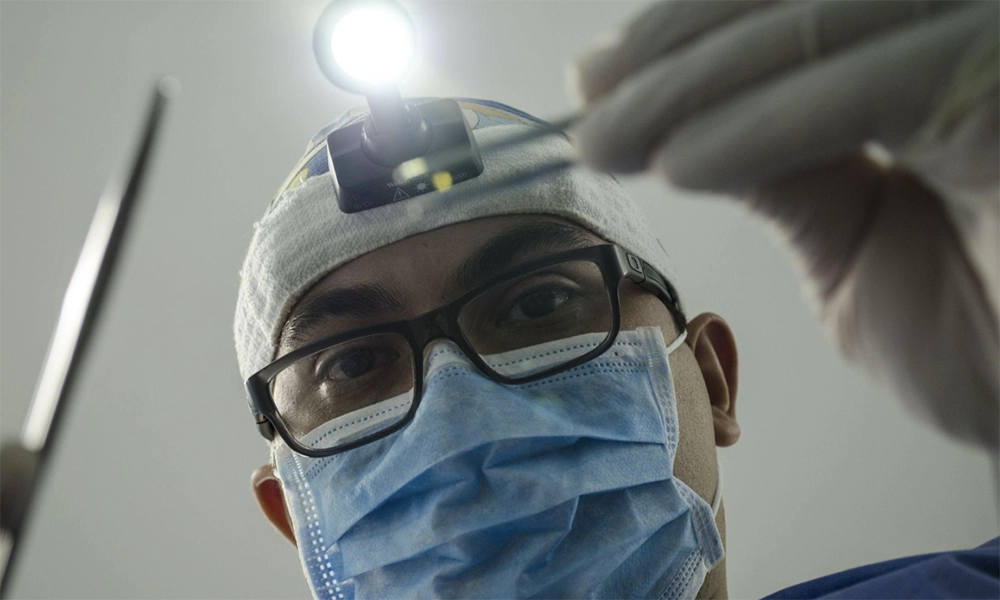
This matters more than many patients realize. Conditions like peri-implantitis - inflammation around the implant that can eventually threaten its stability - are manageable when caught early and considerably more complicated when they're not. Showing up for regular check-ups is one of the simplest and most effective things you can do to extend the life of your implants.
8. Protect Your Implants If You Grind Your Teeth
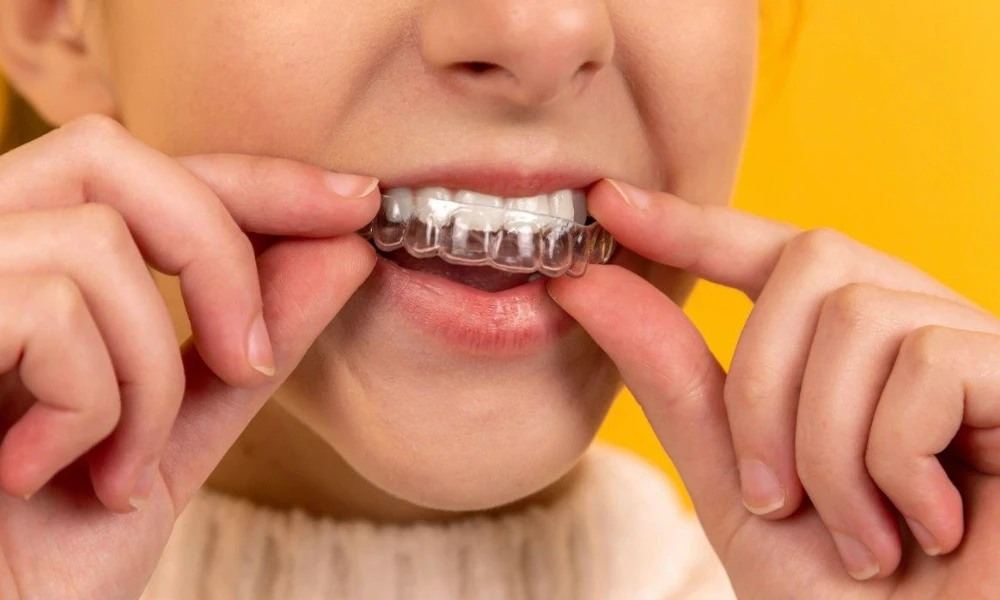
Teeth grinding, or bruxism, is a common condition that many people aren't even aware they have - it typically happens during sleep. The excess pressure it places on both natural teeth and implants can significantly shorten their lifespan. If you grind, a custom-fitted mouthguard is a smart and relatively low-cost investment that protects your implants from nightly wear and tear. It's far cheaper than the alternative.
9. Rinse Regularly - But Gently
An alcohol-free mouthwash used as part of your daily routine is a good way to reduce bacteria and keep the mouth clean between brushes. That said, vigorous swishing in the weeks immediately after surgery can disturb the healing site, so keep it gentle early on. Ask your dentist which mouthwash they recommend - the Doctors Implants team specifically advises against mint-based formulas, which can be harsh on implants and cause unnecessary irritation.
As the Doctors Implants team puts it: "While implants are designed to be durable and can last a lifetime, consistent, ongoing care after they're in place is the key to making that happen. Making a commitment to better dental habits will give you a major payoff - keeping your implants looking and feeling great for years to come."
The effort required isn't dramatic. It's the accumulation of small, consistent habits - brushing properly, flossing daily, attending check-ups, and making sensible lifestyle choices - that keeps implants functioning beautifully for the long haul. Treat the investment with the respect it deserves, and it will pay you back for decades.
Filed underAddiction & alcohol, Dental