
NAD Peptide: The Bioenergetic Foundation of Cellular Longevity
The landscape of regenerative medicine has shifted significantly toward molecules that address the root cause of cellular aging: mitochondrial decay.
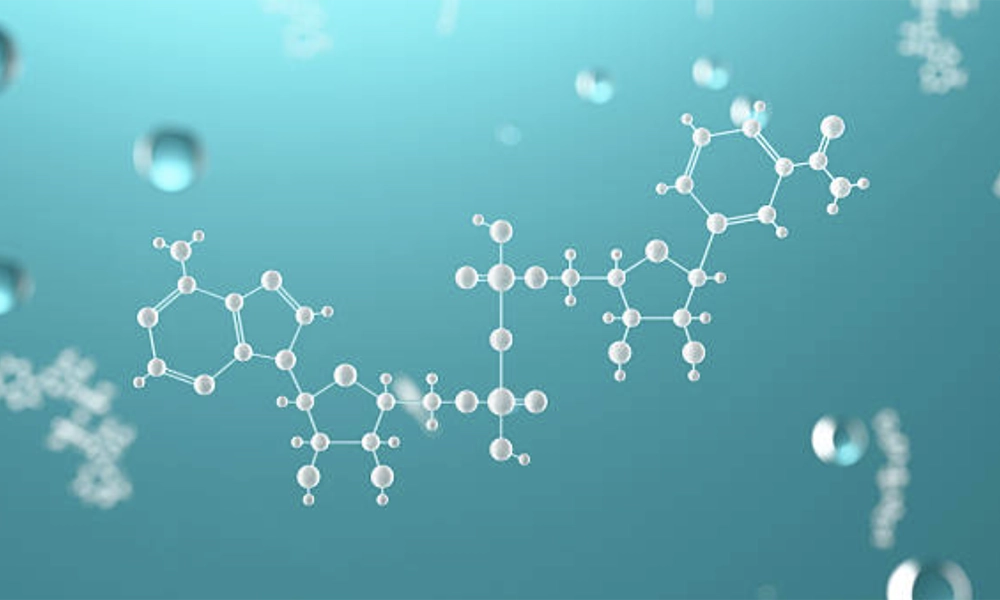
The landscape of regenerative medicine has shifted significantly toward molecules that address the root cause of cellular aging: mitochondrial decay. Among the most critical of these is the NAD peptide (Nicotinamide Adenine Dinucleotide), a coenzyme found in every living cell that acts as the primary fuel for metabolic processes and DNA repair.
As we age, NAD+ levels decline sharply, often reaching less than half of youthful concentrations by age 50. This depletion is a primary driver of reduced energy production and compromised cellular maintenance. In the world of biohacking and longevity science, restoring NAD+ has emerged as a fundamental strategy for systemic rejuvenation and neuroprotection.
What is NAD Peptide?
NAD peptide is a dinucleotide that serves as a vital electron carrier in the production of ATP (Adenosine Triphosphate). While often categorized alongside peptides in research settings due to its administration methods, it is technically a coenzyme essential for life.
Unlike oral precursors, direct administration of NAD+ is studied for its ability to bypass the digestive tract and provide a rapid increase in systemic levels. It serves as a substrate for enzymes like sirtuins and PARPs, which govern how cells respond to stress and repair genetic damage.
How NAD Peptide Works: Cellular Mechanisms
To understand the efficacy of the nad peptide, one must look at its role in the mitochondria and the nucleus.
1. Mitochondrial ATP Production
NAD+ is the essential "shuttle" in the Electron Transport Chain. Without it, mitochondria cannot efficiently convert nutrients into cellular energy, leading to oxidative stress and cellular fatigue.
2. Sirtuin Activation
NAD+ is the mandatory co-factor for sirtuins (SIRT1–SIRT7), often called "longevity genes". These enzymes regulate chromosomal stability and silence genes that promote cellular aging.
3. DNA Repair via PARPs
Poly (ADP-ribose) polymerases (PARPs) rely on the nad peptide to repair double-strand breaks in DNA. When NAD+ is low, these repair mechanisms fail, leading to accumulated genetic mutations.
Key Benefits and Areas of Research Interest
The biological breadth of NAD+ research spans multiple systems, from metabolic health to neurology.
Cognitive Clarity and Neuroprotection
NAD+ is highly concentrated in the brain. Preliminary studies indicate it helps maintain neuronal health by supporting the glymphatic system and reducing neuroinflammation. This aligns with broader research around nad peptide benefits in the context of neuroprotection.
Metabolic Optimization
By improving mitochondrial efficiency, NAD+ helps regulate glucose metabolism and fatty acid oxidation. It is a primary subject of study for resolving metabolic syndrome and insulin resistance.
Circadian Rhythm Regulation
NAD+ levels influence the body’s internal clock, helping to synchronize sleep-wake cycles and the timing of systemic cellular repair.
NAD Peptide vs. Other Longevity Compounds
| Feature | NAD+ | NMN | NR |
| Primary Focus | Direct Coenzyme | Precursor (1 step) | Precursor (2 steps) |
| Mechanism | Immediate Bioavailability | Salvage Pathway | Salvage Pathway |
| Best For | Acute Systemic Boost | Daily Maintenance | Daily Maintenance |
Limitations and Potential Risks
While NAD+ is essential for life, its administration in a research context requires nuance.
- The "Flush" Sensation: Rapid administration can cause transient sensations of chest tightness, nausea, or lightheadedness.
- Methyl Depletion: High-dose NAD+ research often requires the addition of methyl donors to maintain biochemical balance.
- Stability: The molecule is highly sensitive to light and heat and must be stored in a cool, dark environment.
Frequently Asked Questions (FAQ)
What is NAD peptide used for?
In a research setting, it is used to study cellular energy production, DNA repair, and the mitigation of age-related cognitive and metabolic decline.
How does NAD+ compare to B-vitamins?
While derived from Vitamin B3, the nad peptide is the active functional molecule that performs cellular work, whereas B3 is a raw building block that must be converted.
Is NAD peptide safe?
NAD+ is endogenous to the human body and generally considered to have a high safety profile ; however, research is ongoing regarding optimal dosing to avoid transient side effects during administration.
Conclusion
The NAD peptide remains a cornerstone of cellular medicine. By addressing the root cause of mitochondrial decay, it offers a powerful mechanism for enhancing both lifespan and "healthspan". As research continues to refine our understanding of sirtuin activation and DNA repair, NAD+ stands as the essential fuel required for any high-level biohacking or regenerative strategy.
Filed underLongevity