
Inside the Science of Litter-Based Health Tracking for Cats
Cats often mask pain until eating slows, grooming looks rough, or posture turns guarded. Urine may change sooner, with shifts in acidity, concentration, or…
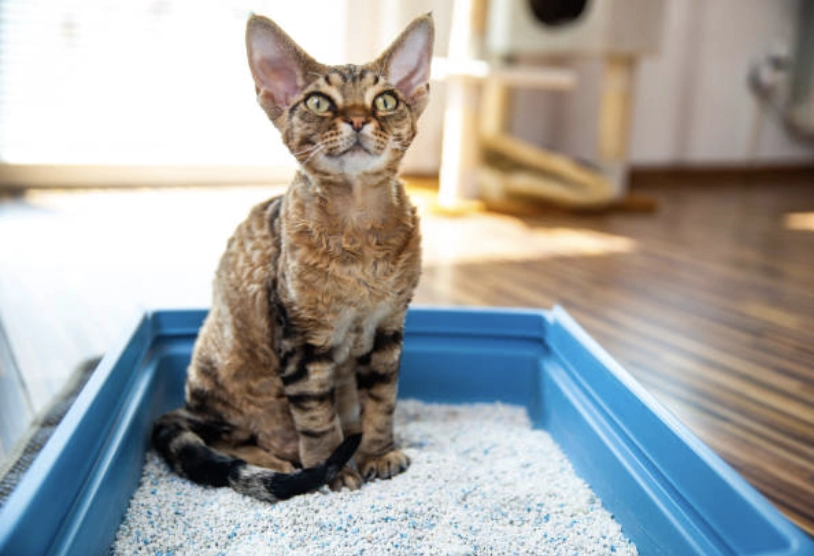
Cats often mask pain until eating slows, grooming looks rough, or posture turns guarded. Urine may change sooner, with shifts in acidity, concentration, or microscopic blood before outward distress appears. Litter-based monitoring uses that early biological signal in a practical setting. Reactive crystals can translate urinary chemistry into a visible cue, giving owners a simple way to notice change and seek veterinary guidance before a problem gains momentum.
Why Urine Matters
Veterinarians study urine because it reflects hydration, renal workload, bladder inflammation, and mineral balance. For households asking how does litter sense work, the answer begins with that clinical value. A tray may show chemical movement before behaviour changes, which gives owners a reason to watch closely, note patterns, and contact their vet if readings keep shifting.
The Core Question
The basic mechanism is straightforward; urine chemistry can trigger a visible response. Once liquid reaches treated crystals, indicator compounds react to acidic or alkaline conditions within the sample. That reaction alters the colour across the litter surface. A change does not diagnose disease, yet it can show that the urinary environment has moved away from a cat’s usual baseline.
Why Silica Is Used
Silica gel works well here because each granule holds countless microscopic pores. Those spaces absorb fluid quickly and retain moisture long enough for the indicator system to respond. Clay behaves differently, often forming dense clumps that limit spread. With silica, urine reaches a wider area, making subtle colour variations easier to see during daily scooping.
How the Reaction Starts
When urine contacts the crystals, pH-sensitive materials begin a measurable chemical response. Healthy feline urine usually stays within a fairly narrow range, although diet, water intake, and stress can shift it modestly. A urinary tract infection, bladder irritation, or metabolic strain may push results outside that range. What matters is the altered chemistry, rather than a claim about one exact cause.
Reading the Colours
Most systems rely on broad colour categories instead of laboratory-level precision. Yellow or green often fits a usual pH range. Blue may point to more alkaline urine, which can appear with bacterial growth or a risk of urinary crystals. Orange can suggest higher acidity. Red deserves prompt veterinary attention, because blood may accompany cystitis, stones, trauma, or another urgent disorder.
Why Patterns Beat One-Off Checks
One unusual reading may reflect recent meals, temporary dehydration, or stress linked to visitors or travel. Repeated shifts carry far greater clinical weight. Several changed readings across consecutive days help separate random variation from a genuine trend. That record gives a veterinarian stronger context, which may support faster triage and better decisions about urinalysis, imaging, or immediate treatment.
Conditions It May Flag
This method is most relevant for lower urinary tract disease and some metabolic disturbances. It may raise early concern about cystitis, urinary tract infections, bladder crystals, stones, or early signs of kidney disease. Certain endocrine disorders can also influence urine chemistry. Earlier recognition cannot replace laboratory testing or imaging, but it may shorten the gap between a quiet warning sign and medical assessment.
Limits of the Method
Litter tracking still has clear limits. Multi-cat homes make attribution difficult unless each animal uses a separate tray. Room lighting can affect colour interpretation, especially when a shift is faint. Some cats reject unfamiliar textures, reducing consistency. False reassurance is another problem, because a normal-looking tray cannot exclude pain, obstruction, or disease outside the urinary tract.
Best Use at Home
Results improve when owners follow fill depth guidance, remove stool daily, and replace saturated crystals on schedule. Gentle stirring can redistribute moisture and keep colour changes visible across the tray. A single-cat household usually gives the clearest signal. Checking at a similar time each day also helps, because routine observation makes slow change easier to notice and record.
Why Early Signals Matter
Early urinary shifts matter because cats can worsen quietly, especially when inflammation, bladder crystals, or obstruction begin to build. Litter-based monitoring offers a useful link between routine care and clinical awareness. It does not diagnose illness, yet it can reveal a pattern worth acting on. When repeated colour changes are noticed sooner, veterinarians can investigate earlier, ease discomfort faster, and lower the chance of crisis.


