Why Resilience Isn't a Bounce-Back — It's a Spiral
Most people have been taught that resilience means bouncing back. You get knocked down, you get up, you move on. Clean, simple, linear.

Four movements that took me from addiction and rock bottom to the boardroom
Most people have been taught that resilience means bouncing back. You get knocked down, you get up, you move on. Clean, simple, linear.
I spent years trying to do exactly that — and kept breaking in the same places.
Same emotional cracks. Same relational triggers. Same leadership struggles. And I couldn't figure out why I couldn't just "get over it."
What I eventually discovered — not in a seminar room or a self-help book, but through addiction, homelessness, a suicide attempt, and a climb from temp worker to board-appointed CEO — is that resilience isn't a moment. It's a movement. And it doesn't move in a straight line. It moves in a spiral.
I didn't set out to create a framework. But when I looked back at the breakdowns, the pivots, and the returns, I saw a pattern. I had been living it long before I could name it. Here's what it looks like.
Tip #1: Understand that the spiral is not the same as the circle.
A circle brings you back to exactly where you started. The spiral looks similar from the outside — you do return to familiar terrain, the same pain points, the same relationships, the same questions you thought you'd already answered — but you arrive there changed.
You return to familiar places: the pain, the past, the people, the titles you outgrew, the failed businesses. But this time you show up with new truth. More healing. More power. Wisdom where there was once reaction, strength that was once survival.
The 360 Degrees of Resilience has four movements: Recognition (the moment life cracks you open), Reckoning (where you stop running and start processing), Reframing (where you give your story new meaning and rise as a different person), and Rebirth (where your past becomes your platform). Each movement doesn't take you back — it takes you deeper.
Tip #2: Do the inner work nobody claps for.
The first spiral is emotional and mental resilience — what I call the war within. Therapy. Prayer. Pattern-breaking. The slow, unglamorous work of making peace with your past while still building your future.
I know what it looks like when you skip this step. In 1987, I ended up in an emergency room with liquid charcoal dripping from my mouth, nurses shouting my name, machines beeping like a countdown clock. I wasn't dying from drugs. I was suffocating from everything I hadn't dealt with. Shame. Guilt. Unworthiness. All the stuff I thought I could outrun.
Lying in that psych ward, I wasn't just scared of my roommate talking to people who weren't there. I was scared of myself. Scared of how far I had spiraled with no tools, no mirror, no plan. Resilience doesn't start with a second chance. It starts with a second look — inward. How did I get here?
Tip #3: Stop letting your pain speak before you do.
The second spiral is relational and cultural resilience. I had to relearn connection. Rebuild trust. Reconcile with people I had hurt. And when I entered corporate spaces, I had to navigate environments that weren't built for someone like me.
I'll never forget standing at a hotel front desk — well liked, high performing — when a guest pointed at me and said, "The Black man stole my money." No evidence. No conversation. Just accusation. I had to defend not just myself but my dignity. Resilience at this level means choosing your identity over other people's assumptions. It's deciding who you're going to be regardless of what others project onto you.
Tip #4: Learn to pivot without losing the foundation.
The third spiral is strategic and adaptive resilience. Going from temp to CEO in fourteen years, with seven promotions along the way, didn't happen because I hustled harder. It happened because I learned how to read rooms, shift plans, and adjust with purpose.
When a major business partnership collapsed — circumstances beyond my control — everything we had built around that deal started to fall apart. Instead of panicking, I restructured the offer, repitched the vision, and rebuilt my team's belief before I rebuilt the revenue. Strategy was the lifeline. Resilience at this level isn't about surviving the fall. It's about preparing for the pivot.
Tip #5: Let your identity be the anchor everything else depends on.
The fourth spiral is the one all the others collapse without: identity-based resilience. This isn't about the role I played at work or the mask I wore at home. This is about who I chose to become when no one else was watching.
There were moments when a deal, a promotion, or a partnership would have required me to betray who I had become. I walked away. That's when your values speak louder than your title. I didn't escape my past — I integrated it. Every loss became leverage. Every scar became strategy. Every broken place became part of the blueprint.
That little boy I dedicated this book to — the one who carried the weight until I was ready to see him — he never stopped needing me. Identity-based resilience is what happens when you stop waiting to be saved and start showing up for the version of yourself who needed you most.
The real climb starts at 180 — not before.
Most people stop at 180 degrees, just far enough to turn their back on what broke them. I understand the temptation. But that's only half the journey.
I made the full turn. I faced it all, owned every part of it, and used it to lead forward. And somewhere along the way I stopped asking, "Why did this happen to me?" and started asking, "What did it create in me?"That shift is what broke the cycle of reactive survival and built something lasting in its place. Whether you're leading a company, recovering from loss, or building yourself from the ground up — the spiral is not your enemy. It's your evidence that you're still climbing.
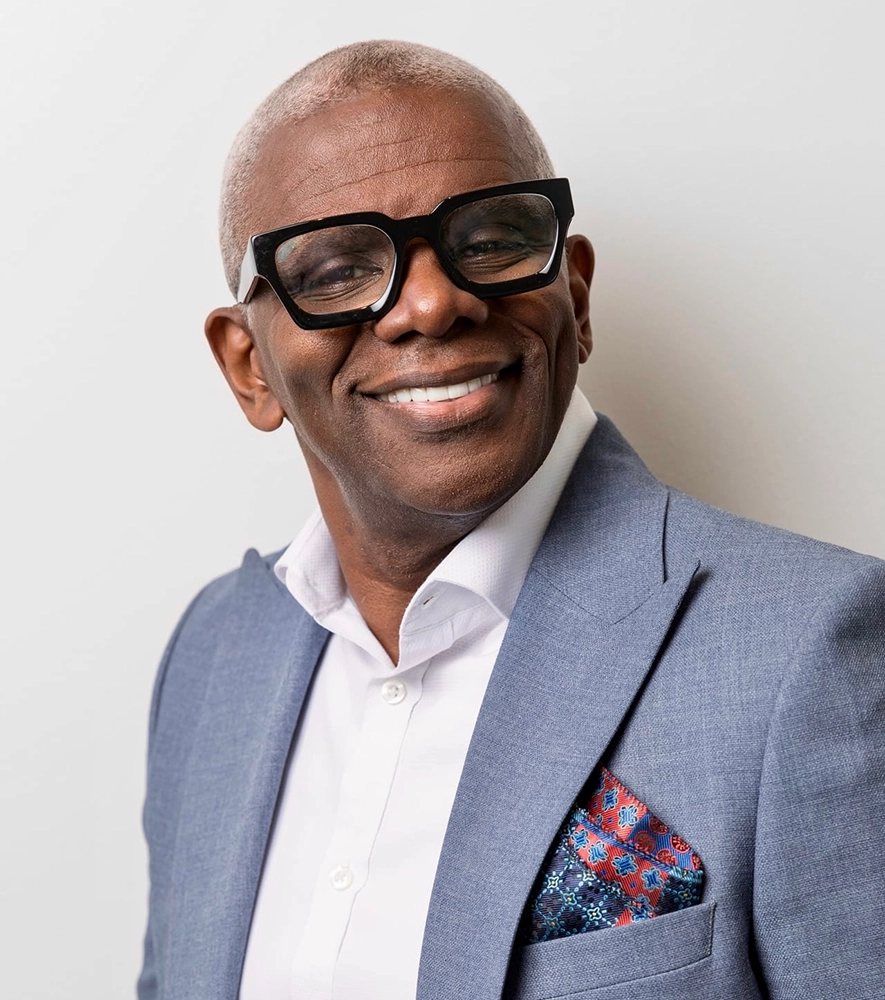
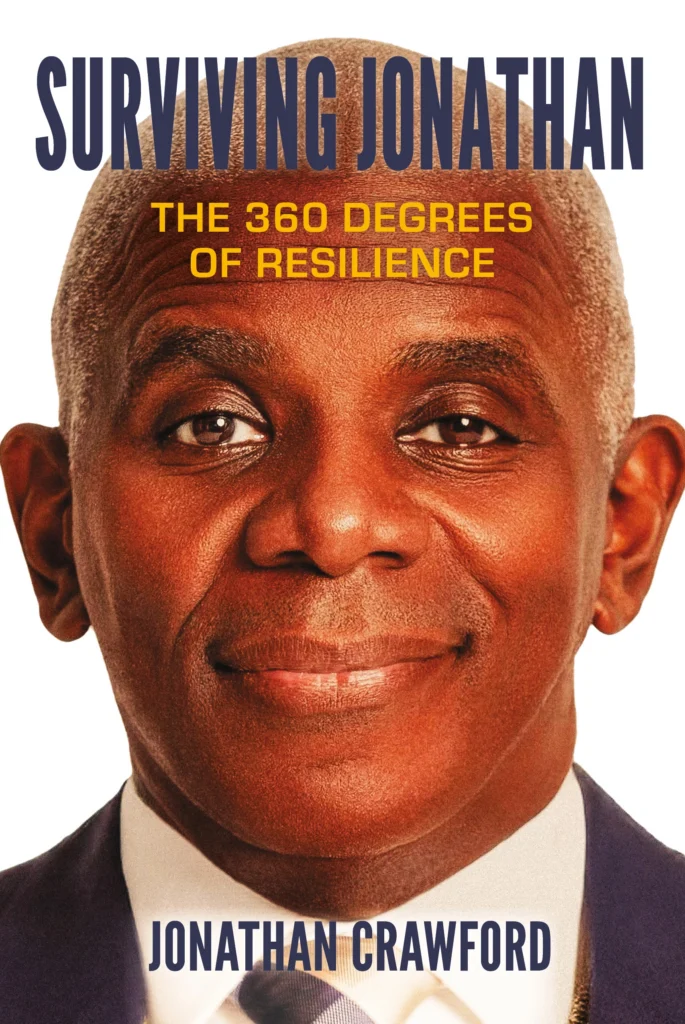
Jonathan Crawford is a survivor, recovering addict, and proof that it’s possible—an executive leader, keynote speaker, and resilience strategist who turned adversity into authority. Over the past two decades, Jonathan has built a legacy of leadership, delivering results, driving transformation, and developing people at every level. His career began in a temporary role and accelerated through seven promotions in fourteen years to become a board-appointed CEO. Today he is president of Broadcast and Media in the telecommunication industry, the CEO of Source Link Media, and a certified coach in disruption, transformation, leadership, and resilience. Jonathan uses every part of his journey to speak, coach, mentor, and guide others through their own turning points. His new book is Surviving Jonathan: The 360 Degrees of Resilience (Amplify Publishing, December 9, 2025). Learn more at mrjonathancrawford.
Filed underAddiction & alcohol