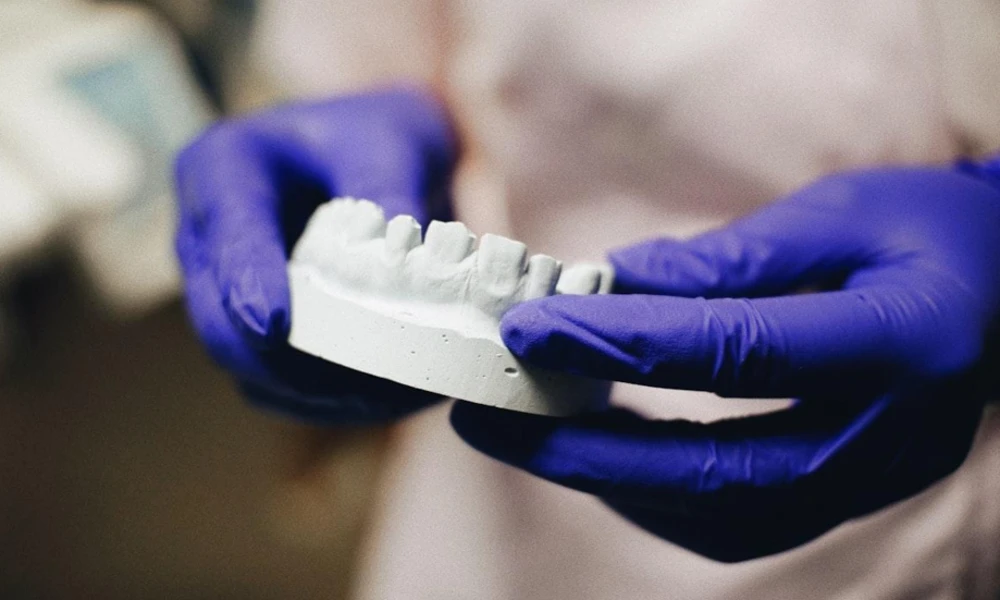
The Honest Patient's Guide to Understanding Dental Implant Surgery
The fear of dental implant surgery is almost always driven by a lack of knowledge, not understanding.
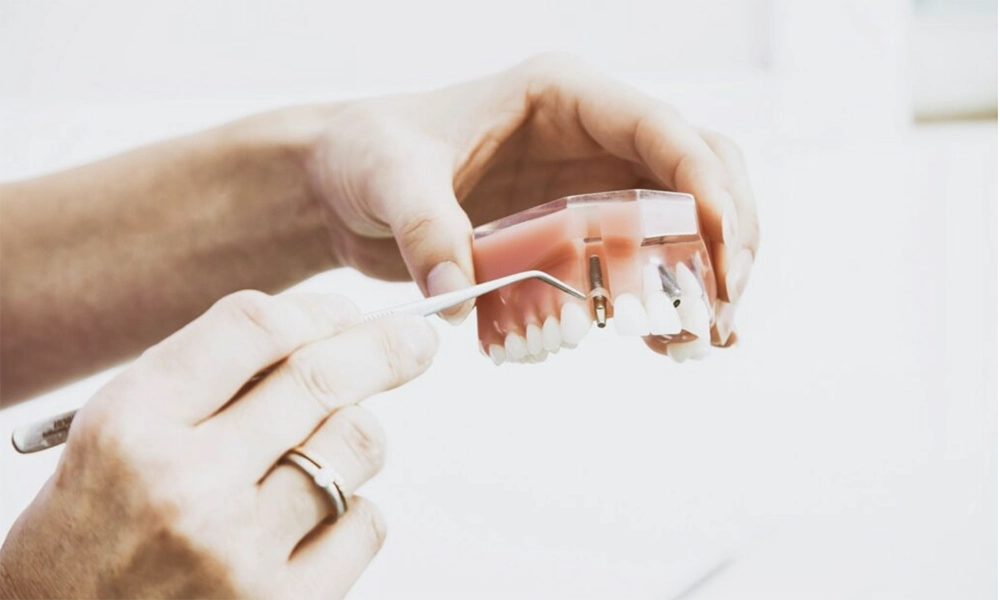
The fear of dental implant surgery is almost always driven by a lack of knowledge, not understanding. Patients who go to a dental implant clinic with only half-formed ideas about what to expect tend to catastrophize the experience, making it far more than it really is. A clear, honest account of what the process actually involves, from the first assessment through to the final restoration, removes this uncertainty and allows patients to make informed decisions from a position of knowledge rather than apprehension.
The Initial Assessment and Why It Takes Time
An implant evaluation is not a one-time event, but a process. The clinician should assess the health of the existing teeth and gums, the amount and quality of the available jawbone at the implant site, the patient's medical history, and the patient's functional and aesthetic goals for the treatment. Unlike flat radiographs, cone beam CT scanning allows the clinician to visualise bone structure in three dimensions and to create an accurate plan for implant placement before any surgical procedure. This should be a comprehensive process, and patients should be wary of surgical procedures performed without a proper diagnostic evaluation.
Bone Evaluation and the Grafting Question
After the tooth has been extracted, the jawbone will begin to resorb, gradually diminishing in height and width. If the patient has not had a tooth for several years, the bone volume may be insufficient for the simple placement of an implant. A synthetic material, donor bone, or bone from elsewhere in the patient's own jaw can be used to rebuild volume, but this requires a few months of healing before implant surgery can be performed. It is essential to discuss the need for grafting and its implications for the overall timeline during the initial consultation.
The Surgical Placement Procedure
In most cases, a local anaesthetic is used for implant placement, though sedation can be used for those who are anxious. The gum tissue is spread apart to expose the underlying bone. A channel of the proper size is drilled with sequential drills, and the titanium implant post is inserted into the channel. The gum is then sealed around or over the implant. The procedure usually takes anywhere from 30 minutes to 2 hours, depending on the number of implants being placed and if other procedures are being carried out at the same time. There is little discomfort during the procedure itself, as a local anaesthetic is used, but there may be pressure and vibration sensations.
The Healing Phase and Osseointegration
After placement, the bone forms direct contact with the implant surface, a process called osseointegration, which provides the implant with its functional strength. The time required for this process is 1 to 12 weeks in most patients, but it may be longer if tone grafting has been performed or if systemic conditions have affected healing. This time, the patient is usually given a temporary restoration and certain dietary and hygiene guidelines to safeguard the healing area. This is a wait-and-see period and is not uncomfortable for most patients after the initial few days following surgery.
Post-Surgical Healing and What to Expect
The days after surgery for implant placement are characterised by swelling, bruising and pain, which can usually be controlled with over-the-counter pain medications. Patients recover much less strenuously than they feared before treatment. Swelling is greatest within the first 48-72 hours following surgery and gradually subsides for the next week. If antibiotics are prescribed, they should be taken to the end. If the pain worsens after the initial week rather than improving, or if there is any discharge from the surgical area, contact the clinic that performed the surgery as soon as possible.
The Final Restoration
When the osseointegration is verified (usually by clinical examination and radiographic evaluation), the final crown, bridge or prosthesis is cemented to the implant. The restoration is made to match the adjacent teeth in colour, shape, and size. It is fitted either onto an abutment component or directly to the implant fixture, depending on the system used. This phase is simple and easy, and follows an assessment phase and ends with a permanent functional tooth replacement that the patient uses just as they would a natural tooth.
Knowledge as the Best Preparation
Patients who know what to expect throughout the implant process are more likely to be calm than those who are anxious. The process is well known, the results are predictable with experienced hands, and the discomfort is manageable and temporary. The preparation is well rewarded at the end of the process with a life-changing functional and aesthetic result.
Filed underDental, Cosmetic & aesthetics