What you wear to work affects more than how you look. It shapes how you move through your day, how you feel in meetings, and how much mental energy you spend before you even leave the house. A thoughtful professional work wardrobe brings together comfort, polish and repeatable choices that lower morning stress.
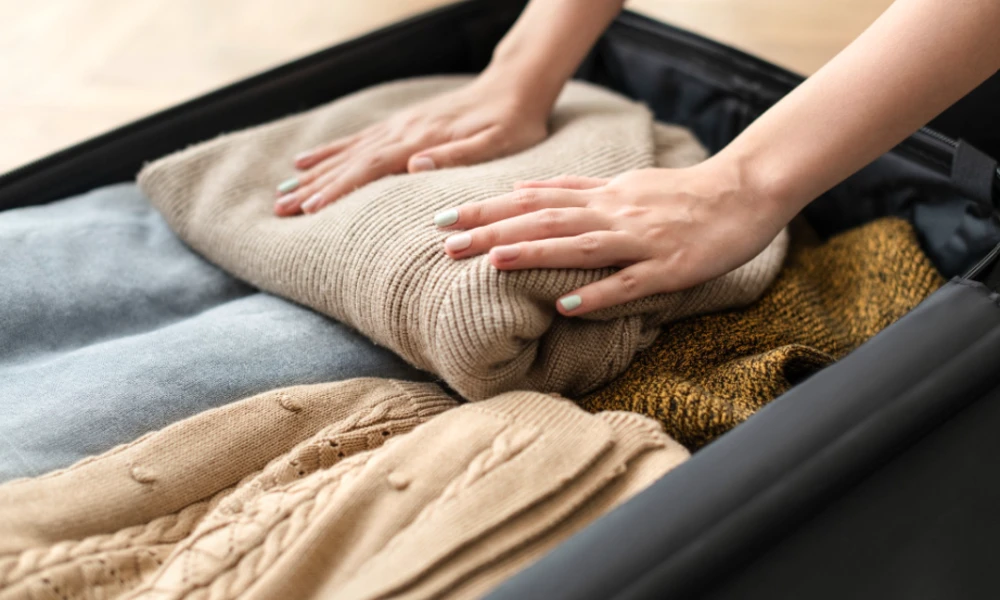
The good news is that building one does not require a huge budget or a complete style overhaul. It starts with understanding fit, choosing fabrics that suit your climate and assembling a small set of pieces that mix and match easily.
Key Takeaways
- Breathable fabrics matter. Cotton, linen, merino wool and lyocell each offer comfort benefits for different seasons and office temperatures.
- Fit and tailoring do the heavy lifting. Small adjustments at the shoulders, hem or waist can make affordable pieces look and feel more polished.
- A 10-piece capsule simplifies your week. Fewer well-chosen items reduce daily decisions and create a calmer morning routine.
- Finishing touches tie it together. Neat shoes, matching socks and a simple bag complete the look without adding complexity.
What Polished Comfort Actually Means
Think of it as a simple formula: fit, fabric and finish.
Fit that moves. Clothes should sit well at the shoulders and waist without pulling or bunching. You want enough room to sit, reach and walk comfortably through your commute and your day.
Fabric that breathes. Scratchy, stiff materials can drain your patience. Softer, more breathable textiles help you stay comfortable under office lights or on a warm train platform.
A clean finish. This is less about trends and more about neatness. Pressed collars, secure buttons and shoes in good condition all signal care without drawing too much attention.
None of this depends on a particular body type, gender or budget. The same principles work whether you prefer trousers, skirts, dresses or a mix of all three.
Map Your Week and Dress Code
Before buying anything, spend a few minutes thinking about your typical week. How many days are you in the office? How many involve client meetings versus quiet desk work? Is your commute by car, bus, train, bike or on foot?
Australian workplaces vary widely in what they expect. A creative agency in Melbourne may welcome relaxed tailoring, while a financial firm in Sydney might lean more formal. Rather than guessing, check your organisation’s dress code or ask your manager. What feels polished in one office may feel overdressed in another.
Climate matters too. If your office runs heavy air conditioning in summer, you may need a light layer even in January. In cooler months, a versatile jacket can move from your desk to after-work plans. Thinking through these details early helps you buy fewer, smarter pieces.
Build a Simple 10-Piece Capsule
A capsule wardrobe is a small collection of pieces that work together. When fewer items can be worn in more combinations, your morning decisions become easier. A related guide to versatile workwear pieces can also help you refine the items you reach for most often.
Here is one example of a 10-piece set:
- 2 jackets or light layers, such as a blazer and a knit cardigan
- 3 tops or shirts in neutral tones that pair with everything
- 2 pairs of trousers, one slim and one relaxed
- 1 skirt or an extra pair of trousers
- 1 dress
- 1 pair of versatile shoes
Stick mostly to neutrals like navy, charcoal, white, beige or black. Then add one or two accent colours you enjoy. This approach means almost any top pairs with any bottom, so your morning decision becomes genuinely simple.
For warm weather, swap heavier trousers for lighter linen-blend options and choose short-sleeved or sleeveless tops. In cooler months, layer a fine-knit jumper under your blazer.
Fit and Tailoring Basics
Expensive clothing that fits poorly will usually look less polished than affordable clothing that fits well. A few quick checks can help.
Shoulders. Seams should sit at the edge of your shoulder, not droop down your arm or pull upward.
Rise and waist. Trousers should feel secure without digging in. You should be able to sit and move without constant adjusting.
Hem. Trouser hems that pool on the floor look untidy. A simple hem adjustment at a local tailor is usually inexpensive and makes a visible difference.
If something fits well everywhere except one spot, an alteration is often cheaper and more satisfying than buying a different size. Many Australian shopping centres have accessible alteration services.
Shoes, Socks and Hosiery
Footwear deserves as much attention as what you wear on top. General podiatry guidance favours shoes with enough toe box space, a stable heel and supportive insoles for long workdays.
You do not need to sacrifice style for support. Many polished flats, loafers and low-heeled shoes offer both. For socks that sit neatly with suits or tailored trousers, browse mens dress socks Australia to compare darker office tones, subtle stripes and solid colours.
Socks and hosiery are finishing details that often get overlooked. Matching your sock colour to your trousers or shoes creates a clean, unbroken line.
If you wear hosiery, keep a spare pair at your desk. Small practical backups like this prevent a minor snag from becoming an afternoon distraction.
Fabric Guide for All-Day Comfort
The fabric you choose can make or break your comfort, especially over a long workday.
Cotton and linen. Both are generally breathable choices for warm offices and commutes. Their natural fibre structure allows air to circulate, though the weave and weight of the garment also affect how cool they feel. Linen creases more easily, which suits relaxed offices better than formal ones.
Fine merino wool. Merino can feel comfortable across a range of indoor temperatures and is often used for fine knits that layer neatly. This makes it practical for days when you move between heated buildings and cooler air outside.
Lyocell, often sold as Tencel. This fibre is known for its soft drape and smooth feel, making it a comfortable option for shirts and blouses. It is often chosen for fluid garments that feel less crisp than pure cotton.
Bamboo-viscose and silk. Both feel soft against the skin. Silk adds a subtle lustre suited to blouses and scarves, while bamboo-viscose is often found in knits and basics.
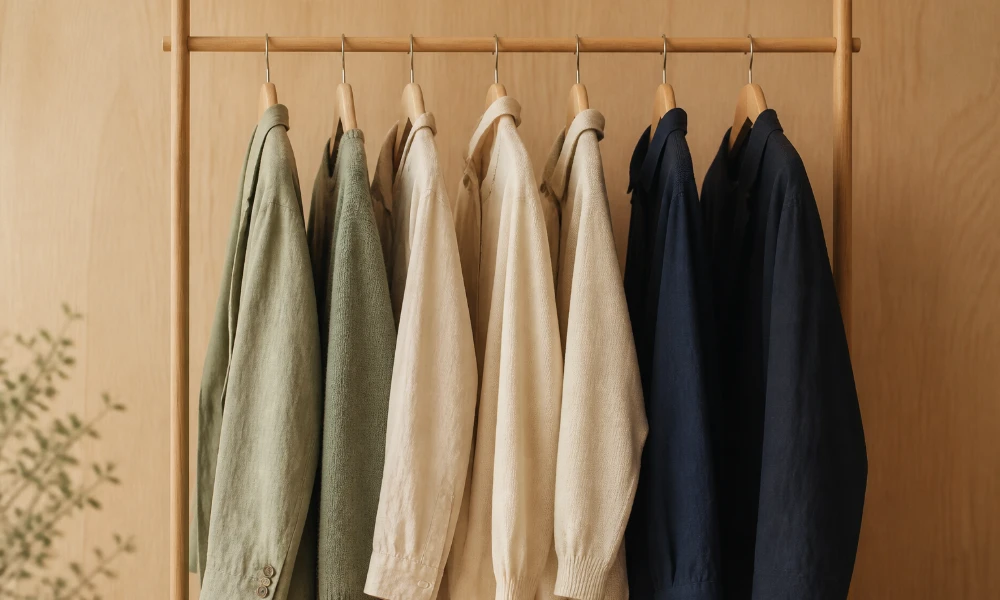
In heavily air-conditioned offices, layering is your best strategy regardless of fabric. A breathable cotton shirt under a light merino cardigan covers a wide range of temperatures without bulk.
Shirts and Blouses
A good shirt or blouse anchors most office outfits. When choosing one, consider collar shape, sleeve length, and how much the fabric moves with you. Make sure the size fits and try small or tall t shirts in different colors depending on your needs.
Collar styles range from classic points to relaxed open necks. Pick what flatters you and feels natural. Long sleeves offer versatility because you can roll them in warmer weather or keep them neat for formal settings. Short sleeves and sleeveless options work well in summer or casual offices.
Look for fabrics with a small amount of stretch or a looser cut through the torso so you can type, reach and gesture without the shirt pulling. Cotton-lyocell blends often combine breathability with gentle drape.
If your workplace uses team uniforms or branded pieces, comparing women’s business shirts can help you match fit, fabric and customisation needs to your office policy.
Finishing Touches That Work Hard
A few simple finishing pieces can lift your whole wardrobe without adding clutter:
- A belt that matches or closely echoes your shoe tone.
- A structured bag or tote that holds your laptop and essentials neatly.
- Minimal jewellery, such as a watch, small earrings or a simple necklace.
- A neat knit or scarf for temperature changes during the day.
Keep these details consistent. When your accessories repeat across outfits, they create a sense of intention without extra effort.
Care and Planning Rituals
A professional work wardrobe lasts longer and looks better with a few small habits.
Sunday outfit map. Spend 10 minutes each Sunday choosing outfits for the week ahead. Hang them in order or photograph them on your phone. This one ritual removes a common source of weekday morning friction.
Gentle laundering. Wash on cool cycles and air-dry when possible. This helps preserve colour and shape, especially for natural fibres.
Steaming over ironing. A handheld steamer is faster and gentler on most fabrics.
Quick repair kit. Keep a small sewing kit at home with spare buttons, a needle and neutral thread. A fallen hem or loose button is a five-minute fix that prevents a good piece from sitting unworn in your wardrobe.
Start Small, Dress Well
Building a comfortable, polished wardrobe is not about buying everything at once. Start with one fabric upgrade, one small alteration or one Sunday planning session. Each small step reduces friction and brings a little more ease to your working week.
Your clothes should support the way you want to feel at work: calm, confident and ready for the day ahead.
- About the Author
- Latest Posts

Our Editorial Team are writers and experts in their field. Their views and opinions may not always be the views of Wellbeing Magazine. If you are under the direction of medical supervision please speak to your doctor or therapist before following the advice and recommendations in these articles.