How to Choose the Right Facelift Procedure for Your Aging Concerns
You’ve been staring at the mirror a little longer lately. Maybe it’s the jowling that wasn’t there two years ago, or the way your jawline has softened in a…
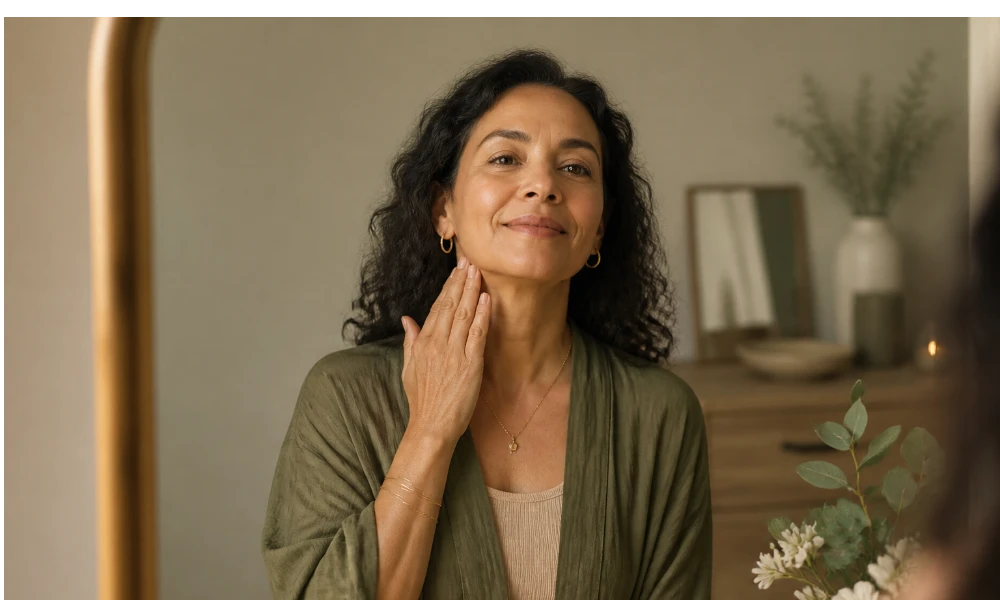
You’ve been staring at the mirror a little longer lately. Maybe it’s the jowling that wasn’t there two years ago, or the way your jawline has softened in a way that feels unfamiliar. Whatever it is, you’re not imagining it, and you’re not alone in wondering what to do about it.
For people in Los Gatos and the wider Bay Area, access to experienced, board-certified plastic surgeons is genuinely not a problem. What’s harder is knowing where to start, especially when “just get a facelift” turns out to be way more nuanced than it sounds. Here’s a practical, no-fluff guide to help you think it through.
1. There’s No Such Thing as “Just a Facelift”
Most people are surprised to learn that facelift isn’t one procedure it’s a whole category. And the differences between the options actually matter a lot when it comes to who they’re right for and what they can realistically achieve. The main types you’ll come across:
• Mini facelift: Ideal for catching things early. Less invasive, quicker recovery, and designed for the lower face and jaw.
• Mid facelift: Focuses on the cheeks and under-eye zone. Good if you’re noticing hollowing or that “tired” look in the midface.
• Full SMAS facelift: The most thorough option — works on the deeper muscle layer and addresses the entire lower two-thirds of the face.
• Neck lift: Often done alongside a facelift to deal with loose neck skin and visible banding.
None of these is inherently better than the others. The right one is whichever one actually matches what’s happening on your face.
2. Start With What You’re Actually Seeing
Here’s a useful exercise: stand in good lighting and look at your face in sections. Upper third (forehead, brow), middle third (cheeks, under-eyes), lower third (jaw, chin, neck). Where is most of the change happening? That’s your starting point.
Facelifts consistently rank among the top cosmetic surgeries performed each year in the US according to the American Society of Plastic Surgeons, they’ve held a spot in the top five for years running. That popularity isn’t just vanity; it reflects how effective modern techniques have become.
When you book a consultation for a facelift in Los Gatos, a skilled surgeon will do this kind of zone-by-zone analysis for you assessing bone structure, skin elasticity, fat distribution, and facial symmetry before they ever mention a specific procedure. That consultation is genuinely where the decision gets made. Show up to it with questions.
3. Your Age Matters But It’s Not the Whole Story
People assume there’s a “right age” for a facelift. There isn’t, really. What matters more is the degree of change you’re dealing with and what your skin is capable of doing post-surgery.
Patients in their early-to-mid 40s who are catching things before they become pronounced often get beautifully natural results from a mini or mid facelift. Skin at that stage still has elasticity, which means it responds well and heals predictably.
For someone in their 50s or 60s with more significant jowling, deeper folds, or neck laxity, a full SMAS facelift typically delivers more comprehensive and longer-lasting results. It goes deeper, addresses more, and holds up better over time. Your surgeon will be honest with you about which category you fall into and that honesty is a good sign, not a bad one.
4. Plan Your Recovery - Seriously, Actually Plan It
Recovery has a way of humbling people who didn’t take it seriously beforehand. A mini facelift usually means about one to two weeks before you feel okay being out and about. A full facelift is more like two to three weeks of real downtime, with swelling that can linger for several months as things settle.
Think about your actual calendar. A big work project, an upcoming wedding, or travel plans can all affect when it makes sense to schedule surgery. This isn’t a reason to put it off indefinitely — it’s just worth thinking practically so you’re not caught off guard.
5. The Surgeon’s Focus Matters More Than Their Resume Alone
Board certification is the baseline not the finish line. Beyond that, look for a surgeon who has made facial work a genuine specialty, not just part of a wide-ranging practice. Facial anatomy is complex. Surgeons who focus on it develop an eye for proportions and nuance that generalists simply don’t have.
SF Bay Area Plastic Surgery takes a detailed, anatomy-first approach to facelift consultations evaluating each patient’s facial structure, asymmetries, and specific concerns before recommending anything. It’s the kind of individualized assessment that separates genuinely good outcomes from generic ones.

In your consultations, notice whether the surgeon is really looking at your face or just reciting procedure options. Are they pushing toward a specific solution before they’ve asked you much? That’s a red flag. The best ones are almost more curious than confident, at least at first.
6. One Procedure Rarely Does Everything and That’s Okay
A facelift lifts and tightens. What it doesn’t do is restore lost volume, smooth out sun-damaged skin, or address drooping eyelids. For a lot of patients, the most natural-looking results come from pairing the facelift with something else. Common combinations include:
• Eyelid surgery (blepharoplasty) to open up the eye area
• Fat grafting to rebuild volume in flat or hollowed cheeks
• Laser resurfacing or a peel to deal with skin texture and pigmentation
SF Bay Area Plastic Surgery routinely walks patients through these options early in the process not to upsell, but because the results genuinely look more cohesive when multiple aspects of aging are addressed at once rather than one at a time.
Conclusion:
Picking the right facelift isn’t something you can do from a search engine alone. It takes a real conversation with someone who knows faces and who will look at yours specifically, not just describe what’s possible in general.
The best thing you can do right now is book a consultation, come in with your questions written down, and pay attention to how the surgeon engages with you. A good one won’t rush you. They’ll make sure you understand the options, feel comfortable with the plan, and know exactly what to expect before you ever commit to anything. That’s the right starting point and from there, the decision tends to become a lot clearer.
Filed underCosmetic & aesthetics