Mindful Moving: How to Reduce Stress During a House Move
Moving house often ranks as one of life's most stressful events, right up there with big changes like divorce or losing a job.

Moving house often ranks as one of life's most stressful events, right up there with big changes like divorce or losing a job. It's not just about the heavy lifting of packing boxes; it's a deep emotional and psychological journey. Your routine gets flipped upside down, a new environment feels uncertain, and the sheer number of decisions can be overwhelming. But if you approach your move with a bit of mindfulness and purpose, you can really cut down on the anxiety and turn the whole thing into a positive step forward. This guide will give you practical ways to handle the stress of relocating and stay calm throughout the process.
Understanding Relocation Anxiety
To get a handle on moving stress, it helps to first understand where it comes from. Relocation anxiety is a complex mix of practical pressures and strong emotional reactions. On one hand, you're juggling a huge to-do list, everything from changing your address for mail to packing every single thing you own. On the other hand, you're leaving a place full of memories and stepping into the unknown.
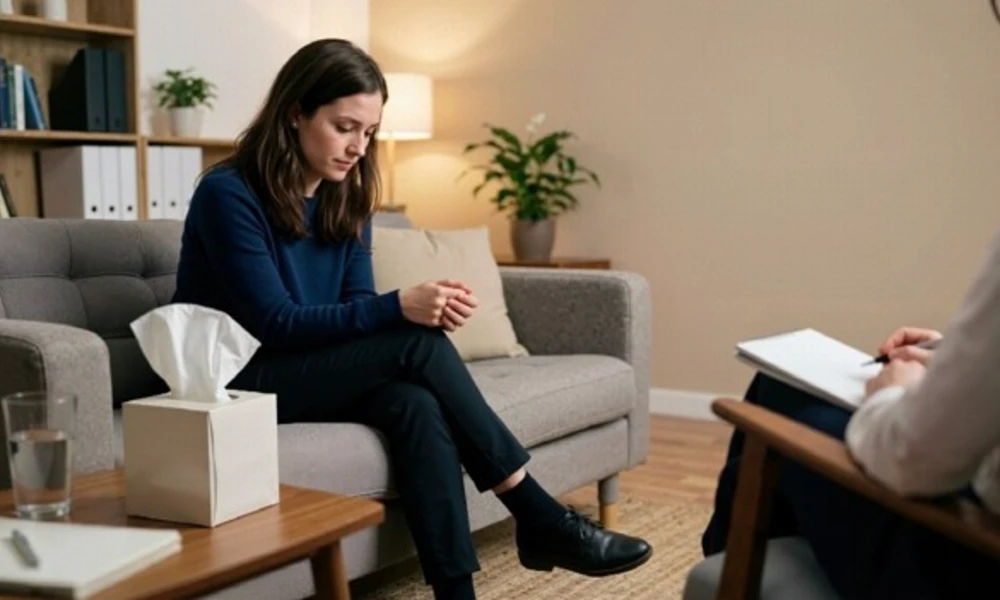
People often underestimate this emotional side. We get really attached to our homes and communities; it's called place attachment. Leaving a home can bring up feelings of grief and loss, kind of like when a relationship ends. It's the close of a chapter, and it's totally normal to feel sad about saying goodbye to familiar neighbours, a favourite local park, or the walls that have seen so much of your life. The first step is to acknowledge these feelings. If you push them away or tell yourself you "should" be excited, you'll just add guilt to the stress you're already feeling. Allow yourself to feel a mix of emotions; excitement, fear, sadness, and hope can all exist at the same time.
Decluttering for Mental Clarity
Sorting through your belongings can be a powerful way to manage the mental clutter that comes with moving. If you see decluttering not as a chore but as a mindful practice, it can bring a surprising sense of calm and control. It's a chance to really think about what you want to bring into the next part of your life.
A simple, effective way to do this is to use four categories for your items: keep, donate, discard, and relocate (for things that belong in another room). As you pick up each object, ask yourself if it's useful, brings you joy, or has true sentimental value. This helps you let go of things you've kept out of habit or obligation. The mental health benefits of an organised space are well-known; less physical clutter can lower stress and make you feel more capable.
To avoid feeling swamped, start small. Spend just 15 minutes a day on one drawer, a shelf, or a small cupboard. The idea is to build momentum, not to clear out the whole house in one weekend. Every bag you fill for charity and every box you label for your new home is a concrete step forward, giving you a real sense of accomplishment amidst the chaos.
Planning for Peace of Mind
Anxiety thrives on uncertainty and feeling out of control. The best way to fight this is with a clear, organised plan. Breaking down the huge job of moving into small, manageable steps makes the whole process feel more doable and less intimidating. A detailed plan acts as your map, guiding you from where you are to where you want to be without getting lost.
Start by making a moving timeline, working backwards from your moving day.
- 8 Weeks Out: Look into and book any professionals you'll need. Hiring a reliable house moving service can take the heaviest physical and logistical burdens off your shoulders, freeing up your mental energy to focus on the emotional side of things. This is also a good time to really start decluttering.
- 4 Weeks Out: Begin packing things you don't use every day, like off-season clothes, books, and decorations. Order your packing supplies and start telling utility companies and other services about your change of address.
- 1 Week Out: Confirm all arrangements with your moving company. Pack an "essentials box" with things you'll need right away when you arrive, such as toiletries, a change of clothes, basic kitchen items, and important documents. Planning for others is also key. If you have pets, arranging their care for moving day can prevent a lot of stress for both you and them, as moving can be very disruptive for animals.
Keep all your moving paperwork, contacts, and checklists in one folder or digital document. Knowing exactly where to find information when you need it provides a sense of stability.
Creating a Serene New Space
Once you get to your new place, you might be tempted to unpack everything at once, which can lead to exhaustion and feeling overwhelmed by chaos. A more mindful approach is to first create a small, calm space. Before you even think about the kitchen or the living room, focus on setting up your bedroom.
Make your bed with fresh, clean sheets. Unpack your toiletries in the bathroom. Put a lamp on your bedside table and plug in your phone charger. Creating this "unpacking sanctuary" gives you a peaceful, organised spot to escape to when the piles of boxes feel like too much. It tells your brain that you're home and that it's okay to rest.
After your sanctuary is set up, start adding sensory comforts that make a house feel like a home.
- Smell: Light a familiar scented candle or use an essential oil diffuser. Scents are strongly linked to memory and emotions.
- Sound: Play your favourite relaxing music or a comforting podcast. Silence can feel strange in a new place.
- Personal Touches: Unpack a few cherished items early on. Hanging a favourite piece of art, putting some family photos on a mantelpiece, or stacking some beloved books on a shelf can instantly make an impersonal space feel like your own.
Don't feel pressured to make everything perfect right away. Focus on making one room comfortable and livable, and let the rest happen gradually.
Post-Move Well-being Practices
The stress of a move doesn't just vanish once the last box is inside. The adjustment period, which can last weeks or even months, is a crucial time for self-care. This is when feelings of confusion or loneliness might creep in as you get used to an unfamiliar environment.
One of the best ways to feel grounded is to start new routines as soon as possible. If you always begin your day with a walk, find a new route in your neighbourhood. Locate a local coffee shop to become your new regular spot. These small, repeated rituals create a sense of predictability and normalcy that can be incredibly comforting. Make an effort to explore your new area on foot. Discovering the local library, the nearest grocery store, and the best walking trails helps you build a mental map and connect with your new surroundings.
Be patient and kind to yourself. It takes time to truly feel settled. You might miss your old home and friends, and that's perfectly fine. Acknowledge these feelings without judgment. To fight potential loneliness, look for chances to connect with your new community. This could be as simple as introducing yourself to your immediate neighbours or as proactive as joining a local club, a gym, or a volunteer group. Simple mindfulness and movement exercises can also be a wonderful way to manage any lingering anxiety and help you feel more present in your new home.
Moving is more than just changing your address; it's a big life transition. Using these mindful strategies helps you take care of yourself, reduce stress, and start this new chapter with a sense of calm and hope.
Filed underAnxiety, Stress & burnout, Meditation & mindfulness, Calm, Home & garden sanctuary