
Data with Intention: The New Wave of Privacy-Conscious Personalization in Wellness Tech
Technology has quietly slipped into nearly every part of daily life, tracking sleep, recommending workouts, even reminding us to breathe.
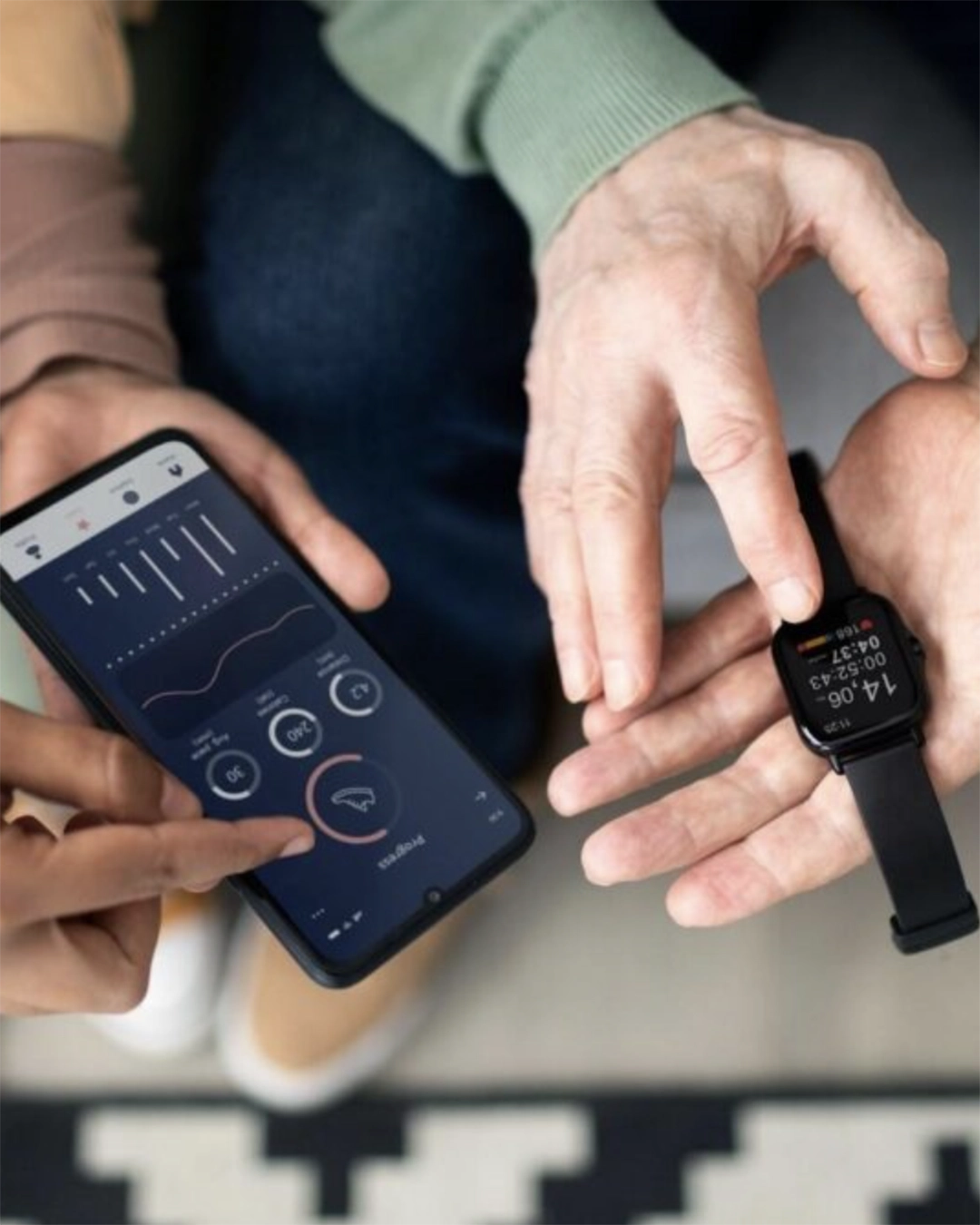
Technology has quietly slipped into nearly every part of daily life, tracking sleep, recommending workouts, even reminding us to breathe. The relationship between tech and wellbeing has become personal, but it’s also evolving. Today’s users want digital tools that care, not by knowing everything, but by knowing just enough. The newest wave of innovation is built on that idea: personalization guided by privacy.
A New Philosophy of Data
People are rethinking the amount of themselves they share on the Internet. Every app, whether it is for streaming, shopping, or self-care, gathers bits of personal information. But there is an increasing awareness and with it, an increase in expectations. Users are now averse to platforms that prioritize recycling recommendations as much as they do respecting boundaries.
This is a change we are seeing throughout the digital world. Fitness apps allow their users to conceal workout stats from their social feeds. Banking apps offer the option to use privacy mode when logging on.
Even entertainment platforms are adapting, realizing that trust is part of what keeps people coming back. Popular sites like Stake have also felt this change, as audiences seek more choice in how they interact and what they access. Many explore stake casino alternatives when they want a version that fits their region or offers different features, bonuses, or payment options.
It’s not just about access, it’s about control. The same instinct guides wellness users choosing platforms that balance personalization with privacy, giving them a sense of ownership over their digital selves.
The same instinct is at work for wellness users who are selecting platforms that strike a balance between personalization and privacy. As a result, it gives them a sense of ownership over their digital identities.
The rising awareness is an indication of an inflection point. People no longer view data as something passively taken; they view it as something that should serve them, with purpose, clarity, and respect.
Personalization That We Can Relate to as Humans
At the beginning of digital wellness, personalization was an endless series of nudges and endless strings of alerts. Now, it is subtler and emotionally sensitive. Intelligent systems are also learning not only what to say, but when to say it.
On days when the user is not eating enough protein, a nutrition app subtly prompts them to add protein to their diet. A meditation device would be able to detect moments of tension and trigger a short breathing session.
These micro-adjustments make technology seem like an intuitive companion rather than an invasive onlooker. The result is a softer, more compassionate form of personalization-a personalization that facilitates, rather than puts pressure.
Increase in Responsible Algorithms
Behind every customized recommendation, there is an algorithm, a hidden machine that learns, changes, and improves. But the debate on algorithms is evolving as well. Developers are shifting their focus from engagement to ethics, creating systems based on wellbeing rather than screen time.
In wellness tech, this means using data to improve quality of life, not as a means of tracking it to death. AI capabilities are now alerting users to take a break, drink water, or go off screens. It's purpose-driven personalization, where algorithms serve not just as marketers but as mindful assistants.
Fitness devices such as Fitbit and WHOOP are performance-based and keep the metrics that drive them private. Even productivity tools like Notion and Todoist are now giving their users the option to turn off data syncing between servers, giving them some control over how personalization occurs.
Privacy by Design
Privacy was previously a check box in the settings menu. Now, it's part of the blueprint. "Privacy by design" is now an ethical technological mantra. It means considering protection as first and foremost: encrypting information, storing it locally, and ensuring that consent is not assumed but explicitly chosen.
Apple's Health app encrypts all data on the device. Samsung's Galaxy Watch now does sleep analysis locally, keeping sensitive data off the cloud. Even smaller players like MindLabs use real-time neurofeedback without exporting biometric data, which proves that privacy is possible while still allowing deep personalization.
Trust as the New Feature
In a world with too many options, trust has become the ultimate product feature. People come back to places that treat them like partners and not a commodity. The more transparent or open the system, the more secure the users feel.
Some wellness apps now allow clear dashboards that explain what's being logged and why. This transparency changes the digital relationship, making users informed participants rather than passive data sources. That kind of honesty creates loyalty in a shorter amount of time than any incentive or ad campaign possibly could.
Minimized Data
Ironically, the way to more intelligent personalization may be through gathering less data, not more. A new philosophy that is emerging across tech industries is "data minimalism," which emphasizes meaningful data over meaningless metrics.
Even by concentrating on a few core signals, such as heart rate, sleep pattern, or stress levels, platforms can still provide users with highly personalized recommendations. But they do it without keeping mountains of unwarranted information. The more users sacrifice, the more peace of mind they have. It's technology at its most human: efficient, unobtrusive, and profoundly human.
Final Thought
The most meaningful technology is not the one that can track everything, but rather the one that can understand enough to assist and then get out of the way. As this new wave of privacy-conscious personalization, or even "Mindful data" as we call it, comes to the fore, one thing is sure: data can be mindful, too. The future of wellbeing isn't technology, it's intentions.
Source: Freepik
Filed underStress & burnout, Meditation & mindfulness, Fitness & movement, Sleep, Connection, Calm