Designing a Minimalist Home That Promotes Wellbeing
A minimalist home is more than an aesthetic preference. It represents a lifestyle that values space, calm, and clarity.
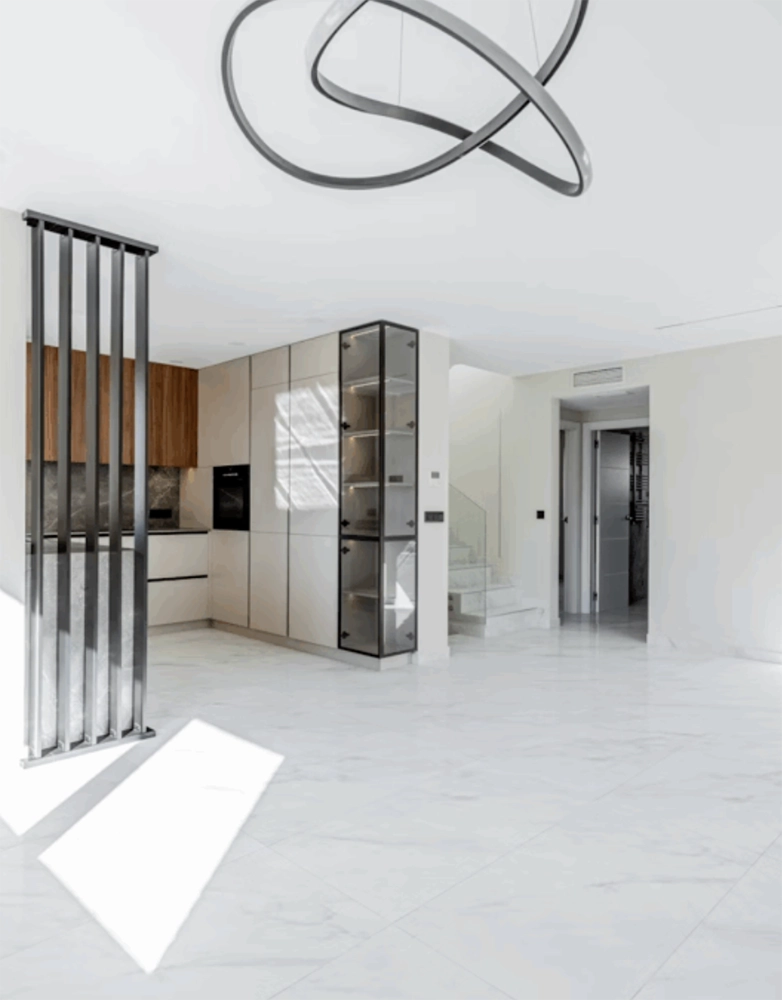
A minimalist home is more than an aesthetic preference. It represents a lifestyle that values space, calm, and clarity. A well-designed minimalist home removes excess, creating a sanctuary where well-being takes priority. The absence of clutter and distraction allows the mind to rest, and the physical environment becomes a mirror of inner balance. Each object has a place and a purpose, forming an atmosphere that encourages calm living. This approach is not about having less for the sake of austerity but about choosing what truly adds value to everyday life. By focusing on thoughtful design and practical organization, anyone can create a home that supports comfort, clarity, and peace.
Creating Space for Serenity
The foundation of a minimalist home begins with space. Empty areas between furniture, uncluttered surfaces, and open pathways allow energy to move freely. For many, the challenge lies in managing belongings without feeling deprived. Renting a storage unit can be an effective step, especially when seeking to simplify without discarding meaningful possessions. When people require additional space, whether for a brief period or a longer duration, many find Oakleigh solutions to storage needs to be a practical and accessible option.. By safely storing items that are not used daily, it becomes easier to appreciate a clean and organized home. The act of decluttering is not just about removal; it’s about creating mental and emotional room to breathe. The serenity of a well-ordered home begins with thoughtful choices about what remains within reach and what can rest elsewhere.
Designing with Purpose
Minimalism thrives on intention. Every object should have a role; every piece of furniture should contribute to the home’s atmosphere. Selecting furniture that serves multiple functions, such as a coffee table with hidden storage or a bed with drawers, helps maintain simplicity without sacrificing practicality. Materials play an equal part in setting the tone. Natural elements such as wood, linen, and stone introduce a grounding quality that supports emotional balance. A neutral palette keeps the environment cohesive and calm, encouraging relaxation and focus. Lighting is another subtle but influential feature; soft, diffused light nurtures a tranquil mood. The aim is not to strip life of personality but to refine it until only comfort and clarity remain.
The Relationship Between Light and Mood
Light shapes the character of a room. Natural light, in particular, affects mood and well-being more than most design elements. Large windows, sheer curtains, and reflective surfaces can fill a space with gentle brightness. Morning sunlight energizes, while evening tones invite rest. Artificial lighting should complement this natural rhythm - warm bulbs in living areas and softer illumination in bedrooms help align the body’s natural clock. Overly harsh or cold lighting can disrupt this harmony, creating a sense of restlessness. A minimalist home uses light deliberately to promote ease and calm. By balancing brightness with shadow, the space gains depth and rhythm without excess decoration.
The Role of Texture and Material
A minimalist home does not need to feel stark or empty. Texture introduces warmth, adding depth and comfort without clutter. Smooth wood, soft fabrics, and matte finishes balance visual simplicity with tactile richness. Rugs, throws, and cushions in muted tones create quiet layers that draw the senses in without overwhelming them. Natural materials are particularly supportive of wellbeing; they age gracefully, breathe with the environment, and remind us of organic simplicity. Choosing a few quality materials rather than many competing ones helps maintain cohesion and reduces visual noise. In this way, the home remains calm yet deeply inviting.
Organizing for Clarity
Organization is the invisible framework that keeps a minimalist home functional. Thoughtful storage prevents visual chaos and supports a sense of order. Closed cabinets, labeled boxes, and drawer dividers help maintain tidiness while keeping daily necessities accessible. Establishing routines for cleaning and sorting prevents accumulation from returning. When every item has a designated place, daily life becomes smoother and less stressful. The absence of visual disorder creates an environment that supports concentration and rest. A minimalist approach to organization is less about perfection and more about creating a steady rhythm that brings peace of mind.
Living Mindfully Within the Space
A minimalist home reaches its full potential when lived in with awareness. Every action, placing a book, preparing a meal, watering a plant, can become part of a gentle rhythm that connects person and place. Mindful living is about noticing how the environment affects thought, energy, and mood. The home becomes a reflection of daily choices rather than a collection of objects. Scent, sound, and texture all contribute to this awareness. A simple vase of fresh flowers, a soft chair near the window, or the quiet hum of a kettle can transform ordinary moments into rituals of calm. Living mindfully means engaging with the present rather than being surrounded by distractions. Over time, this practice strengthens wellbeing and reinforces the value of simplicity.
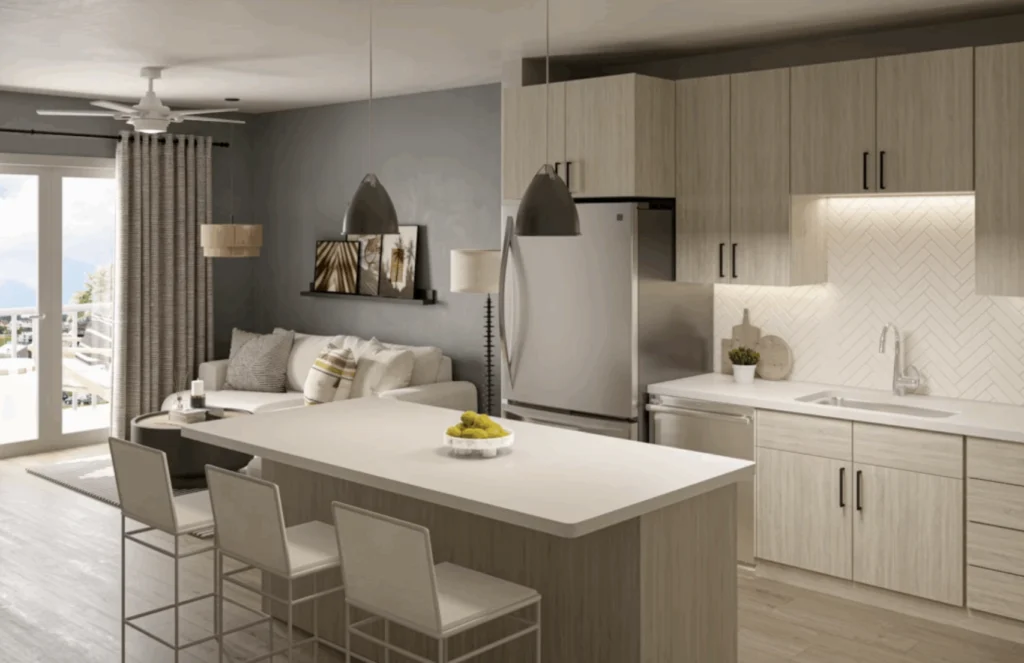
Designing a minimalist home that promotes well-being is an act of alignment between external and internal worlds. The physical clarity of a space supports emotional steadiness and invites a slower, more thoughtful pace of life. Through the balance of space, light, texture, and function, the home becomes a haven where peace can grow. By curating our environments with care, we open the door to calm living and create spaces that nourish both body and mind.
Filed underStress & burnout, Cosmetic & aesthetics, Rest & rejuvenation, Connection, Calm, Home & garden sanctuary