Home design matters most when movement feels tough. Picture waking up each morning in a place that just works – where floors flow easily underfoot, lights respond gently to touch. Spaces shaped with care let bodies move freely, minds stay calm. Think about reaching a shelf without strain, stepping into a shower with sure footing. Some find strength in wide doorways, others in switches at hand height. Style stays sharp even when rails appear along walls. People live better when layouts respect their pace, their rhythm. Homes adapt not because they must, but because life unfolds easier that way.
Understanding the Importance of an Accessible Home
Home design matters when everyone needs to move around without trouble. Safer paths through rooms help folks get by without risk. Getting things done feels smoother if steps involve less effort. Less stress on the body shows up when layouts make sense.
Surprisingly, lots of folks think access fixes matter just for seniors. Yet thoughtful layouts help kids too, along with those healing after accidents or managing lasting conditions. When a house adjusts to different needs, suddenly every member finds it easier to move, rest, live – without fuss.
How Accessibility Improves Comfort and Independence
Starting the day without help feels different when spaces are built to fit real needs. Because of thoughtful layouts, routine tasks become easier – lifting mood along with independence. What follows is a quieter pride, grown from doing things solo.
Comfort grows when spaces are easy to reach. With room to move, folks settle in without strain – thanks to floors that cushion each step and seats shaped for long stays. Devices like walkers or Mobility Aids tailored chairs make daily routines smoother, giving steady support through the day. Independence lasts longer when tools fit the body just right.
Choosing the Right Mobility Aids for the Home
Walking tools fit better when they match a person’s strength, daily routine, clothes they wear often, even how wide their hallway is. Built to help someone move easier, stay upright, avoid slipping – these devices lower chances of tripping or getting hurt.
Walkers might help some people move around, while others find wheelchairs work better for their needs. Scooters roll into place when longer trips matter more than short steps. Canes stand ready for light support, often fitting easily into daily routines. Transfer tools come into play when shifting from chair to bed or car matters most. Comfort shapes every choice just as much as how well something works. Picking one depends on what feels right during real life motion.
The Role of Special Needs Chairs in Daily Living
From head to heel, special needs chairs offer tailored support for people facing physical or developmental difficulties. Built with care, these seats help maintain better posture through thoughtful design. Pressure eases when weight spreads evenly across well-placed surfaces. Alignment gets a quiet boost from structures that guide the body without force. Comfort shows up not in softness alone, but in how each piece holds its user steady.
Starting off differently, these chairs adjust in ways regular ones never do. Built right into them, changes fit what each person medically needs. Some have rests for heads, others add support at the sides. Reclining shows up often, letting bodies settle just so. Cushions come shaped specially, made to match how someone sits best.
Designing Accessible Living Rooms
Home life tends to gather around one main area – usually the living room – so getting in and out without trouble matters a lot. Movement flows better when furniture allows clear paths, seats feel inviting without blocking walkways, yet still support steady steps across the floor.
Start by placing pieces so walkways stay clear and open. Moving around gets easier when space flows without blockages. Stuff piled up can trip someone – keep it minimal. Seating works better if the base is solid, not shaky. Padded spots help people sit down without strain. Safety climbs when design thinks ahead. Comfort sticks around longer too.
Creating an Accessible Bedroom
A quiet space helps sleep grow deeper, while room layouts built around movement ease tasks like getting dressed or settling into bed. When reaching things feels less effortful, mornings start smoother. Independence often rises when design follows function. Nighttime shifts become calmer if furniture allows clear paths. Simpler access means fewer barriers between person and routine.
Close at hand, storage spots cut down on reaching and stooping. By beds or against walls, grab bars add support without drawing attention.
Improving Bathroom Accessibility
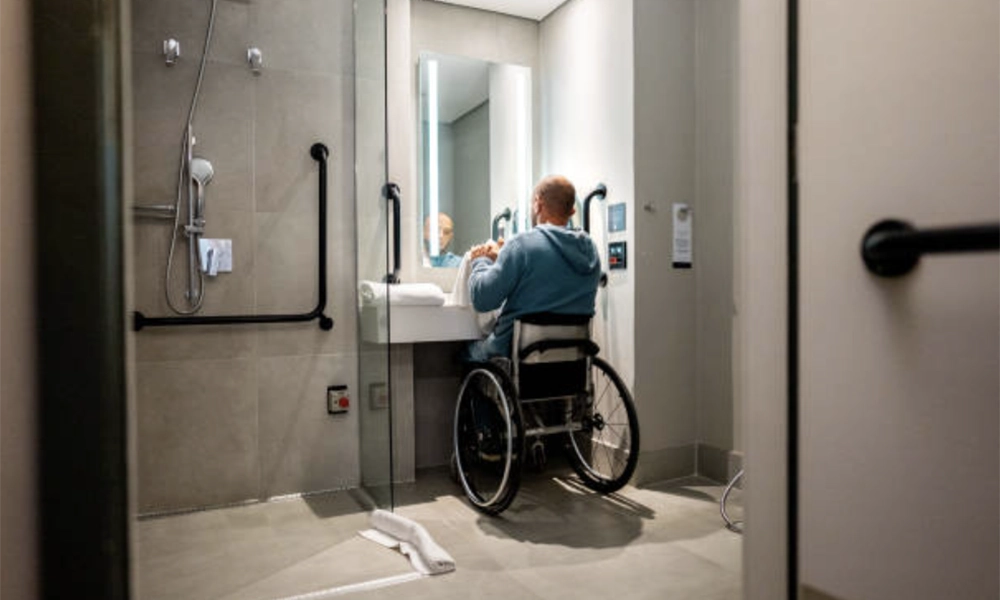
Slippery floors, tight corners – bathrooms often hide danger behind quiet tiles. Because balance matters more here than anywhere else, small changes make big differences. Grab bars appear where they’re needed most, not by chance but by careful thought. Water pools after showers; that’s when footing fails without warning. Instead of avoiding the room, people stay in their homes longer, moving freely. Changes like non-slip mats rise quietly into daily safety. Freedom grows slowly, shaped by better design choices made today.
Starting off with walk-in showers, these often pair well alongside grab bars and floors that resist slipping. Moving on to raised toilets, they tend to work nicely together with sinks designed for access, boosting both ease and function.
Kitchen Accessibility and Functionality
Start with space near counters – enough room matters when movement is slow. Reaching pots, grabbing plates becomes easier if shelves sit low. Some folks push wheelchairs; Special Needs Chairs others use walkers – each needs clear floor paths. Pull-out drawers beat deep cabinets every time. Sink faucets work better with one-hand handles. Stove controls up front prevent awkward stretches. Light under cabinets cuts shadows while chopping. Floors stay safer without loose rugs. Tall enough countertops help seated users join in prep tasks. Storage within reach removes strain. Simple knobs turn easier than stiff levers. Open layouts welcome helpers – or silence, depending on mood. Safety lives in details most ignore.
Planning for Long-Term Accessibility
Later on, life might demand different things from a living space. When health shifts happen, homes often need adjusting too.
Open layouts allow changes down the road without tearing walls apart. Doorless entries, roomy corridors help rooms work better over time – furniture that moves or shifts adds to the ease. What fits today can shift smoothly into tomorrow.
Comfort that lasts often comes from well-built mobility tools along with sturdy seating made for unique requirements. Getting advice from medical staff or access experts might guide families toward better picks tailored to their situation.
Conclusion
Home design that works better for everyone starts with small changes. A step here, a grab bar there – movement feels easier. Confidence grows when reaching shelves does not mean risking balance. Comfort isn’t just soft cushions – it shows up in wider doorways too.
Starting with everyday tools built right into the layout helps homes work better for more kinds of people. Spaces shaped around movement aids, seating made for different needs, along with floor plans that guide rather than block, open doors wider than just physical ones. Dignity shows up when rooms allow choice, ease, and independence – no matter a person’s age or strength. Comfort lives inside details that say you belong, not only visit.
- About the Author
- Latest Posts

Our Editorial Team are writers and experts in their field. Their views and opinions may not always be the views of Wellbeing Magazine. If you are under the direction of medical supervision please speak to your doctor or therapist before following the advice and recommendations in these articles.