Designing Your Home For Better Lighting, More Space And Greater Safety
It is possible to design your home so it doesn’t force you to decide between openness and security.
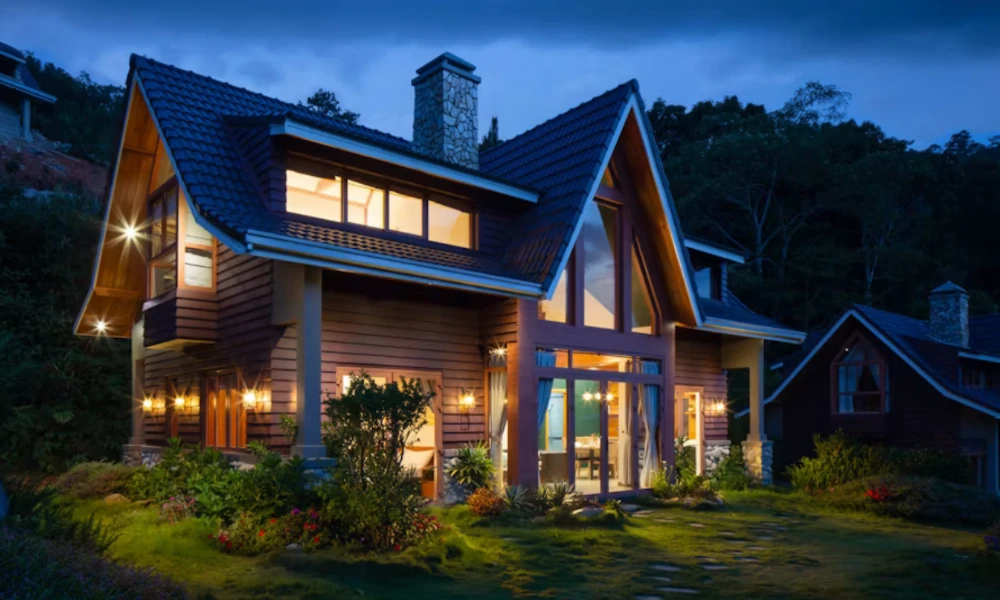
It is possible to design your home so it doesn’t force you to decide between openness and security. When done correctly, the best-designed homes provide both qualities simultaneously and do so quietly. They allow natural light to flow throughout your space. They give your rooms enough breathing room. Additionally, they support the practical decision-making processes, which will aid in creating an overall sense of calmness in your daily routine.
Via Unsplash
When designing your home based on these concepts, your focus will begin to shift away from continuously trying to add more items and instead towards making wiser selections.
Allow Natural Light To Flow More Easily Throughout Your Home
Natural light affects how a room is perceived long before you even consider the placement of furniture. Dark hallways may seem narrower than they actually are. Kitchens with inadequate lighting may appear to be smaller than they are. At the same time, a busy family room can feel calmer when it has proper daylight reaching into its four corners.
Begin by determining where light currently enters your home. Next, determine what obstructs that light. Curtains which block light, dark interior doors, heavy shelving and large pieces of furniture all prevent light from travelling freely throughout your space.
You don’t have to remove everything. Lighter window treatments, mirrors placed in strategic locations, or a clearer path between rooms can significantly impact the amount of natural light flowing through a given space.
Creating Movement In An Open Plan Environment Without Sacrificing Boundaries
While there are certainly benefits to having an open plan environment, not every home functions as well in this format, you still require areas of quietness, defined boundaries and areas where noise can dissipate.
The ultimate goal is to facilitate ease of movement through a space and not necessarily to create an empty-feeling home. You may employ furniture to direct the viewer’s eyes throughout a space. You may ensure that pathways stay unobstructed between the kitchen, dining area and sliding glass doors leading outside to your garden. You may select interior components such as glass fire doors that separate areas of the home without completely blocking the view or light between those areas. At this point, thoughtful selection of materials plays a significant role.
Incorporating Safety Features Into Your Home’s Design
Home safety should not be felt as invasive or cold; rather, it should blend seamlessly into the design of your home and nearly go undetected unless you need it.
Consider starting with the small things. Clearly define exit routes. Provide adequate lighting for stairwells. Ensure that exterior doors are secure. Test smoke detectors on a regular basis. Install flooring that stays non-slippery around entrances and bathrooms.
Selecting safety-related options in no way detracts from the aesthetic appeal of your home. In fact, selecting thoughtful safety-related options can enhance the overall quality of your home’s design. Well-lit entryways are inviting, yet safe. Unobstructed corridors promote calmness, yet promote ease of movement throughout the home.
Selecting Finishes Which Accommodate Daily Use
Ultimately, a beautiful home is only truly successful if it meets the needs of your lifestyle. If you have young children, pets, guests or elderly relatives entering and exiting your home on a consistent basis, then your selections must be capable of handling real-life situations.
Choose finishes that are simple to clean, install doors that feel sturdy, use lighting that accommodates varying daylight conditions and select layouts that eliminate tight corners or potential clutter-gathering spots.
Once light, space and safety are incorporated into the design process, your home begins to experience an underlying balance. This is not a stage-home look; nor is it overly designed; rather, it is simply more functional for you and more serene with each new visit.
Filed underSpa, Home & garden sanctuary