










Digital Health Tools You Didn’t Know Were Powered by Big Data
-
- January 19, 2026

Most people think of digital health as smartwatches or step-counting apps. But big data, the vast pool of information from our bodies, environments, and medical records, is driving a new generation of tools few have encountered.
These devices and systems can predict problems, personalize care, and make treatment more effective. Here’s a look at the lesser-known digital health tools transforming care in unexpected ways.
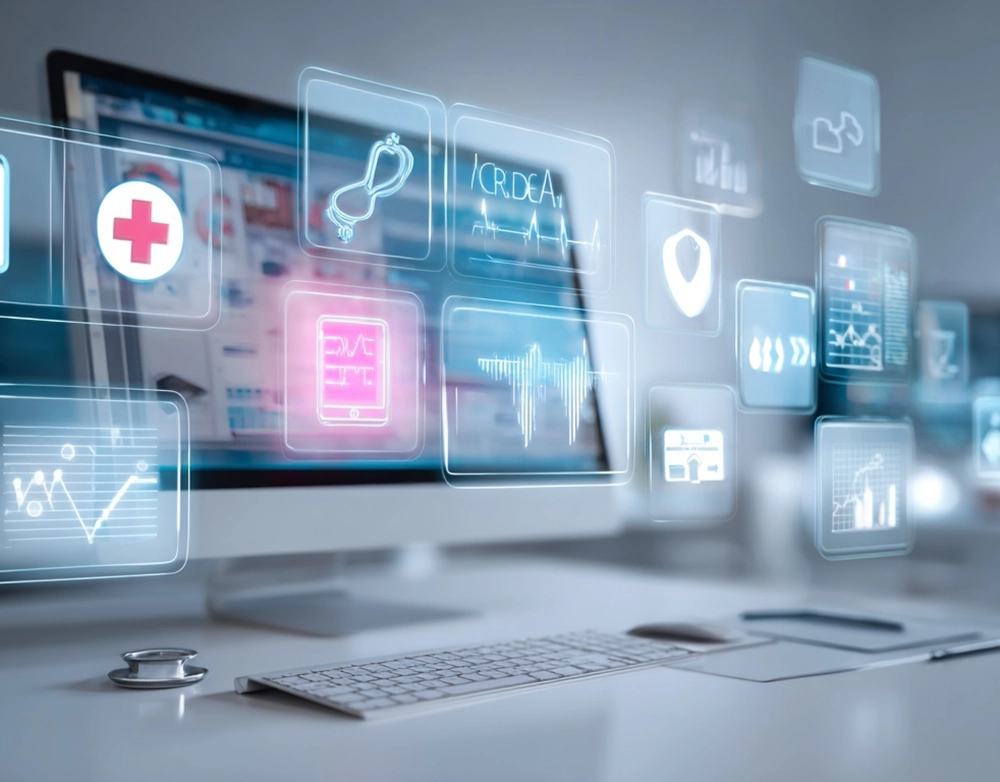
Understanding Big Data in Digital Health
Big data in healthcare means collecting and analysing large, complex sets of health information. Healthcare now produces massive amounts of data every day. About 30% of all the world’s data comes from health systems, and this data is growing fast.
It is not just the amount of data, but also the speed at which it’s gathered and the many formats it comes in, including:
- Electronic health records (EHRs)
- Genomic sequencing results
- High-resolution medical imaging
- Continuous vital-sign monitoring
- Physician notes and clinical documentation
- Public health and demographic records
Much of this information is unstructured, such as free-text clinical documentation, imaging files, and sensor outputs. The information is also generated across diverse settings ranging from hospitals and outpatient clinics to home-based devices and regional health agencies.
The sheer scale and variety make it impossible to analyze using traditional tools, which is why advanced analytics and computing power are essential to turn this raw information into meaningful insights.
The Challenge of Connecting the Data
One of the biggest hurdles is bringing these separate data sources together in a secure, unified way. Key challenges with data integration include:
- Different systems and formats across hospitals, clinics, and labs
- Lack of standardized protocols for data sharing
- Security and privacy barriers
- Incomplete datasets leading to missed insights
Without integration, valuable patterns can be missed, and care decisions may be based on incomplete data. Overcoming this challenge is what allows big data tools to work at their full potential.
Electronic health records (EHRs) remain central to data strategies, but they represent only one part of a much broader, interconnected ecosystem. By linking diverse sources together, healthcare providers can see patterns, predict risks, and personalize care in ways that simply weren’t possible before
Data-Driven Systems That Support Doctors’ Decisions
Clinical decision support systems (CDSS) combine patient data with millions of medical studies, past cases, and treatment outcomes. In seconds, they can suggest evidence-based care options tailored to a specific case.
Imaging enhancement tools use similar principles, comparing scans against vast image libraries to detect subtle changes the human eye might miss. Both approaches rely on large, diverse datasets to improve accuracy, helping clinicians make faster, more informed decisions.
Big Data for Public Health and Hospital Efficiency
Population health dashboards combine anonymised data from clinics, pharmacies, and labs with environmental and demographic information. They can detect emerging disease trends, track outbreaks, and highlight at-risk groups.
Inside hospitals, real-time resource management systems analyze patient flow, staff availability, and equipment usage to prevent bottlenecks and reduce wait times. Both are examples of big data improving care not just for individuals, but for entire communities.
Predictive Tools That Keep Chronic Conditions in Check
Predictive analytics platforms use years of patient history, test results, and lifestyle information to forecast health risks. For example, they can flag the likelihood of a hospital readmission before symptoms worsen, allowing earlier intervention.
A recent study in the Journal of Medical Internet Research found that predictive models using combined clinical and lifestyle data reduced readmissions for heart failure patients by nearly 25%.
Genomic data platforms work similarly but focus on DNA, comparing an individual’s genetic profile to massive population databases. This helps identify predispositions to conditions such as heart disease or certain cancers long before they appear, giving people time to make preventive changes.
These insights are even more effective when combined with digital patient communication tools that keep patients engaged and informed between appointments.
From Screen Fatigue to Digital Balance: How Wellness Tech Helps
With so many digital health tools now part of daily life, there’s a growing need to ensure they enhance wellbeing rather than add to stress. According to Digital Authority Partners, design choices matter, from limiting unnecessary alerts to creating interfaces that are easy to navigate. The aim is technology that supports health without overwhelming it.
The best innovations don’t just add tech, they create space for what really matters. That’s the real power behind wellness tech that humanizes digital health.
Big Data as the Quiet Partner in Better Health
Big data is driving some of the most important changes in modern healthcare. From predicting health risks to streamlining hospital care, it turns information into insight that helps people live healthier, longer lives.
Understanding how it works allows us to make better choices about the technologies we use and the care we receive. As data continues to expand in scope and speed, the healthcare organizations that can securely connect and harness it will be best positioned to deliver proactive, personalized, and efficient care.
- About the Author
- Latest Posts

Our Editorial Team are writers and experts in their field. Their views and opinions may not always be the views of Wellbeing Magazine. If you are under the direction of medical supervision please speak to your doctor or therapist before following the advice and recommendations in these articles.


