Doctor’s top three tips on how women can reconnect with their body after childbirth
More than half (54%) of UK women say that hormonal changes noticeably impact confidence when initiating intimacy, making sex after child birth feel more…
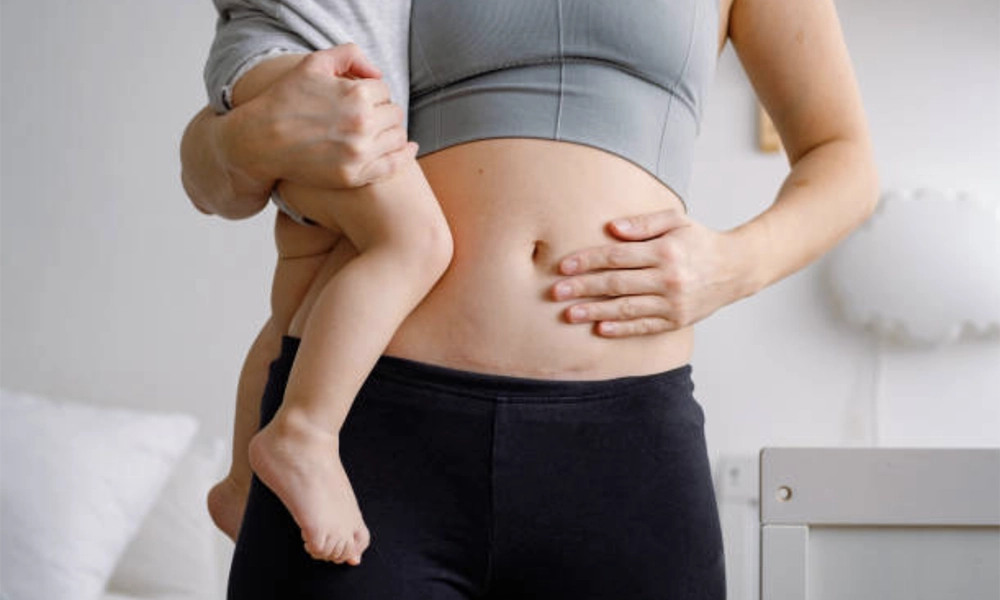
More than half (54%) of UK women say that hormonal changes noticeably impact confidence when initiating intimacy, making sex after child birth feel more clinical than spontaneous. The findings identify a postpartum “Desire Gap”, showing that while the body may physically heal after birth, reconnecting with intimacy and one’s sexual identity often follows a much longer and deeply personal timeline.
To help women step into this new phase of life, Dr Susanna Unsworth, Women’s Health Expert for Intimina, shares her top three tips:
- Prioritise communication over pressure - Many couples struggle because they stop talking openly about intimacy after having a baby. Honest communication about how you are feeling physically and emotionally can help reduce anxiety, guilt and misunderstandings. Partners may also have their own concerns after seeing everything your body has been through during pregnancy and childbirth, and may feel anxious about causing discomfort or getting things wrong. Intimacy does not have to centre around penetrative sex straight away, and taking time to reconnect physically and emotionally in other ways can help rebuild confidence and closeness together.
- Rebuild pelvic floor confidence gradually - Pregnancy and childbirth place significant strain on the pelvic floor muscles, which support the bladder, bowel and vagina. Pelvic floor exercises can help improve strength, bladder control, confidence and comfort during intimacy as the body recovers after childbirth. Support from a pelvic health physiotherapist can be incredibly valuable, particularly if symptoms are ongoing or recovery feels difficult. Many also find pelvic floor training devices helpful alongside guided exercises, such as Intimina’s KegelSmart 2, as they can provide additional support, feedback and motivation during recovery. The most important thing is building up gradually and practising consistently.
- Give yourself permission to go at your own pace - There is no right timeline for returning to intimacy after childbirth. For some, it may feel manageable within weeks, while for others it can take many months. Physical healing, sleep deprivation, breastfeeding hormones and emotional adjustment can all play a role, so it is important not to compare yourself to others or feel pressured by expectations.
While childbirth is often celebrated as life’s most profound milestone, the reality of the ‘fourth trimester’ remains largely unspoken. To better understand the physical and emotional complexities of new motherhood, intimate wellness brand Intimina surveyed over 1,000 women in the UK who have given birth within the last year to reveal the reality many women face.
More than a third of women (35%) cite extreme tiredness as their primary challenge to intimacy after childbirth. This is closely followed by physical discomfort (33%), such as vaginal dryness or breastfeeding-related sensitivity, and being hyper-aware of bodily changes (32%), such as scars, stretch-marks or changes in weight. Nearly a third (29%) fear sex may be painful or feel different.
Emotional barriers were also significant, with 41% feeling guilty for not wanting sex or for prioritising their own pleasure over their baby’s needs (42%).
Many women also report a shift in their sexual identity after giving birth, with a quarter (25%) saying they feel like a ‘mother’ first and a ‘sexual being’ second. In contrast, a fifth (20%) feel more empowered and connected to their body than ever before.
Communication around intimacy after childbirth varies considerably. While 40% of women say they are completely open and honest with their partner, 23% avoid the conversation altogether so as to not hurt their partner’s feelings, while a fifth (20%) acknowledge the issue but leave it unspoken.
The ‘six-week postpartum checkup’ is often cited as the green light for sex, but nearly one in five women (17%) feel pressured by this, while 19% ignored this timeline and waited until they felt ready.
The pressure to bounce back also appears to come from multiple directions, with a quarter (26%) pointing to perceived partner expectations and over a fifth (23%) blaming unrealistic standards set by social media.
Dr Susanna Unsworth, Women’s Health Expert for Intimina, says: “There can be a lot of pressure to feel you should ‘bounce back’ quickly after childbirth, but recovery is far more complex and individual than that. The six-week postnatal check is an important opportunity to assess how both mother and baby are recovering, not a signal that you should feel physically or emotionally ready to resume intimacy. Many are still navigating exhaustion, hormonal shifts, physical recovery and changes in identity as they adjust to parenthood. Recovery is highly individual, and there is no ‘normal’ timeline for feeling ready to reconnect physically or emotionally after childbirth”.
Despite the challenges, many women develop a new appreciation for their bodies after giving birth, with 42% discovering a newfound respect and awe for what their body has achieved postpartum. Nearly a third (32%) say their orgasms have become more intense since giving birth.
For 37%, sex now feels like a process of re-learning their body, while 32% say intimacy has become less about the act itself and more about feeling emotionally connected and appreciated.
Two fifths (42%) say they would have found it helpful if a medical professional had proactively addressed sexual health, not just the baby's wellbeing, during the postpartum period. A third (33%) say more honest conversations with friends and other mothers would have supported them in navigating their sexual health postpartum, while 36% point to better access to pelvic floor therapy or intimacy support products as key to helping them feel more empowered in returning to sexual wellbeing.
Filed underFertility & pregnancy, Women's health & hormones