When seconds matter, equipment integrity can’t be an afterthought. Durable stretchers designed for emergency care combine robust materials, intuitive ergonomics, and infection-control features to protect patients and speed caregiver response. This article breaks down what makes a stretcher resilient, which designs suit specific emergency scenarios, and how procurement teams, from hospitals to EMS agencies, can select and maintain stretchers that minimize downtime and liability.
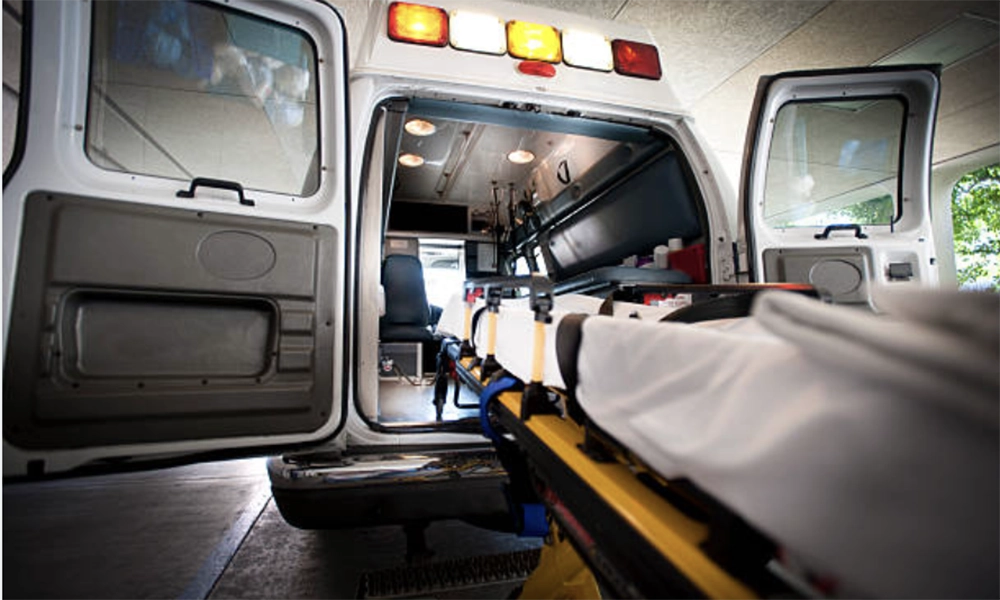
Why Durability Matters In Emergency Stretchers
Durability in emergency stretchers is more than a marketing claim—it directly affects patient outcomes, staff safety, and operational costs. Stretchers R Us highlights how high-acuity environments such as ambulances, emergency departments, disaster response, and mass-casualty incidents place extreme demands on equipment. Stretchers must withstand repeated impacts, variable loads, and exposure to bodily fluids and cleaning agents. A failure at the wrong moment—a cracked frame, collapsed wheel, or torn surface—can delay treatment or cause secondary injury.
Beyond immediate safety, durable stretchers reduce total cost of ownership. Facilities that choose low-quality or mismatched stretchers often see higher repair bills, more frequent replacements, and increased downtime while equipment is out of service. For EMS teams and busy emergency departments where each bed and transport unit is a revenue- and lifesaving asset, resilient stretchers improve throughput and reliability.
Durability also intersects with regulatory and liability concerns. Devices that withstand routine stress and cleaning protocols help organizations maintain compliance with infection control and equipment standards, reducing risk during audits or litigation. Eventually, durability translates into predictable performance under pressure, and in emergencies, predictability saves lives.
Key Design Features Of Durable Emergency Stretchers
Durable stretchers are engineered across several domains: the frame, patient-contact surfaces, and load-bearing systems. Attention to each area determines whether a stretcher performs reliably day after day.
Frame Materials And Construction
The frame is the stretcher’s backbone. High-strength aluminum alloys offer an optimal balance of weight and structural integrity: they resist corrosion, provide sufficient rigidity for patient transfers, and keep the unit light enough for manual handling. Stainless steel frames are preferred in some hospital settings for extreme durability and sterilization compatibility, though they increase weight.
Weld quality, cross-bracing, and reinforced joints are critical. Look for frames with tested fatigue resistance and impact-rated components. Modern designs often include removable or replaceable subassemblies (e.g., wheel housings or lift pistons) so repairs are localized and quicker.
Surface Materials And Cleanability
Patient-contact surfaces must be both comfortable and resilient. Closed-cell foams beneath a seamless, medical-grade vinyl or polyurethane skin provide pressure management while resisting tears. Seamless or welded surfaces reduce crevic