Early childhood shapes how children communicate, learn, and connect with the people around them. Developmental support during these early years can influence a child’s progress for many years ahead. According to the Centers for Disease Control and Prevention, about 1 in 36 children in the United States has been identified with autism spectrum disorder. This statistic highlights the importance of early support programs that encourage communication, learning, and social interaction.
Parents and educators increasingly focus on early intervention strategies that guide children through structured learning environments. One widely recognized approach is ABA therapy. Early programs introduce consistent learning activities that strengthen communication skills, social interaction, and everyday routines. This article explores how early intervention programs support children’s development and help them build important life skills with greater confidence.
Early Support Builds Strong Learning Foundations
Children learn rapidly during their early years, and structured guidance can help shape that learning process in meaningful ways. Early intervention programs focus on simple skill development that gradually leads to more complex abilities. These programs introduce communication practice, behavioral guidance, and structured learning routines.
Therapists usually begin with small tasks that children can practice repeatedly. Simple responses, recognition of familiar words, and participation in guided activities help children develop stronger learning habits. These early successes encourage confidence and help children feel comfortable exploring new skills. Over time, this consistent support strengthens the foundation for future academic and social development.
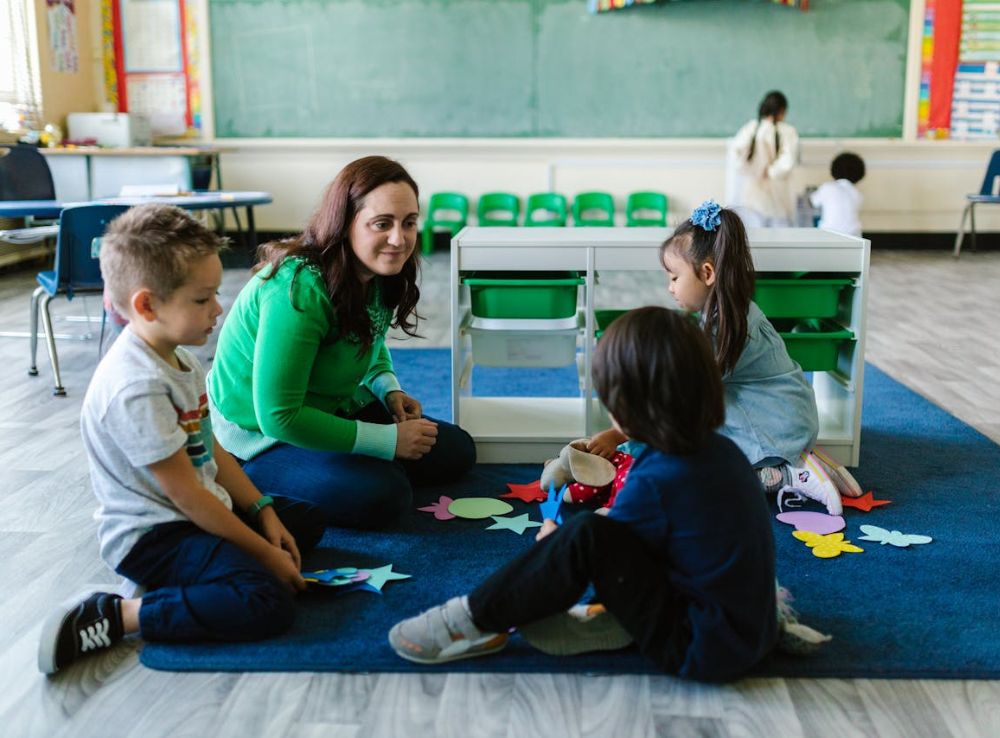
Communication Skills Grow With Structured Guidance
Communication challenges can affect how children express needs and interact with others. Early intervention programs emphasize helping children develop language and listening skills. Guided activities provide opportunities to practice communication in supportive environments.
Children may begin by learning basic words, gestures, or visual communication methods. As these skills develop, therapists introduce interactions that encourage conversation and social engagement. Clear communication becomes easier with regular practice, and children gain greater confidence in expressing their thoughts during everyday interactions.
Social Interaction Improves Through Guided Activities
Social interaction plays a major role in a child’s development. Early intervention programs create opportunities for children to practice social skills through structured activities and guided
play. These experiences help children learn how to respond to others and participate in shared activities.
Children practice skills such as taking turns, sharing materials, and responding to simple social cues. These activities help children understand group interactions. Gradual exposure encourages children to become more comfortable around peers, teachers, and family members. This steady progress strengthens social confidence and supports everyday communication.
Consistent Routines Support Behavioral Development
Young children respond well to predictable routines and structured environments. Early intervention programs create consistent schedules that allow children to practice skills in familiar patterns. These routines help children feel secure while learning new behaviors.
Therapy sessions follow similar patterns each day. Activities may include communication practice, learning exercises, and structured play. Repetition reinforces positive behaviors and improves understanding of expectations. Over time, children learn to follow instructions, adapt to transitions, and respond to guidance more comfortably. These improvements extend into home and school environments.
Professional Support Helps Monitor Progress
Early intervention programs rely on trained professionals who evaluate children’s progress carefully. Therapists observe how children respond to activities, track skill development, and adjust learning strategies when necessary. This ongoing evaluation helps ensure that programs remain effective for each child.
Programs that include aba therapy frequently involve collaboration between therapists, educators, and families. Professionals use observations and recorded progress to refine learning plans and introduce new goals as children improve. This structured approach helps maintain steady development while supporting each child’s unique learning pace.
Early intervention programs help children build important developmental skills during their most influential learning years. Structured activities encourage communication growth, social interaction, and behavioral development. Programs that include aba programs support children through consistent practice, positive reinforcement, and professional guidance. When families and therapists work together, children gain valuable opportunities to strengthen skills and develop confidence that supports future learning and everyday experiences.