Living with persistent joint issues changes how you move through the world. Every staircase or morning walk becomes a mental calculation of pain. Understanding why these sensations happen is the first step toward regaining your mobility. Many factors influence how our joints age and react to daily stress. By looking at the root causes, you can make informed choices about your long-term wellness.
The Impact of Daily Wear and Tear
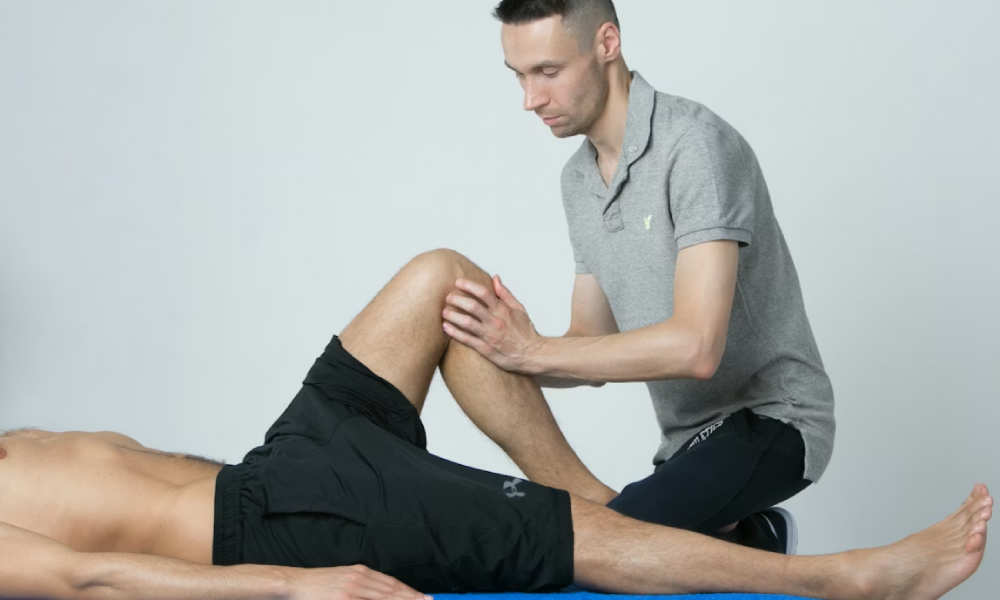
Moving your body is usually a good thing for your health. Certain repetitive motions or high-impact activities put excessive strain on the cartilage. One medical group highlighted that specific exercises assist with building muscle or easing pain. You need to identify which movements to avoid to prevent further injury. Proper form during gym sessions prevents the ligaments from stretching too far.
Taking regular breaks during long periods of standing helps reduce the accumulation of pressure. Many people find that simple adjustments in their routine make a significant difference. Staying active without overdoing the intensity is the key to maintaining joint integrity for decades.
Understanding Common Medical Conditions
Medical issues often sit at the heart of long-term joint struggles. Osteoarthritis is a primary culprit for many people experiencing stiffness and swelling. A recent report found that over 32.5 million Americans live with this condition. The knees are among the most frequently impacted joints in the body. This disease involves the slow decay of the cushion between your bones. Without this cushion, simple tasks like walking to the mailbox become difficult.
Inflammation is another factor that worsens the sensation of stiffness in the morning. Autoimmune responses sometimes target the joints, leading to persistent swelling and heat. This process gradually affects the range of motion available to the patient.
Modern Solutions for Targeted Care
When conservative treatments like physical therapy or medication no longer provide relief, medical technology offers advanced pathways. You might explore partial knee surgery options if only one section of your joint shows significant damage. This focused approach preserves healthy bone and ligaments – a major advantage for those wishing to keep their natural joint function. Surgeons often prefer this method for patients who still have some healthy tissue left. Treating a single compartment of the knee leads to better long-term outcomes for certain candidates.
Choosing a surgical path is a big decision for anyone seeking relief. Modern techniques allow for smaller incisions and less trauma to the surrounding tissues. This precision often means a faster return to daily activities for active individuals.
Global Trends in Joint Health
Joint discomfort is a widespread issue that affects people across every continent. It is not just an issue for the elderly, as younger populations increasingly report symptoms. One clinic noted that roughly 25% of individuals over the age of 55 experience chronic pain. These cases relate directly to the degradation of the joint. Data shows the global prevalence of knee osteoarthritis is about 16% for people over 15.
This number rises to nearly 23% for those in their 40s. Experts worry about the economic impact of so many people losing their mobility early in life. Public health initiatives now focus on early detection and preventative care to address these rising statistics.
Physical Factors and Body Composition
The physical load placed on your legs plays a massive role in joint longevity. Every extra pound of weight multiplies the pressure on your knees during a single step. Research suggests that people with a BMI over 30 are 6.8 times more likely to develop osteoarthritis. Managing weight is the most effective way to reduce the mechanical stress on your frame. Strengthening the muscles around the joint provides a natural brace for the bone structure.
Small adjustments in lifestyle lead to significant improvements in comfort levels. Consider these habits to support your skeletal system:
- Choosing low-impact swimming over running on hard pavement.
- Wearing supportive footwear with adequate cushioning.
- Strengthening your quadriceps to take the load off the patella.
- Staying hydrated to keep joint fluids functioning properly.
Looking Toward the Future of Orthopedics
Researchers are constantly studying how to manage the growing need for joint care. By the time individuals reach 75, half of them report regular knee-related issues. The future looks challenging as the global population continues to age. Predictions suggest that by 2050, the global burden of knee-related disability will nearly double. This projection forces medical providers to find more efficient ways to treat patients.
A recent analysis noted that population growth and aging contribute most to the rising prevalence rates. Epidemiological changes play a role in how these conditions spread through society. Staying proactive about your health is the best defense against these upcoming trends.
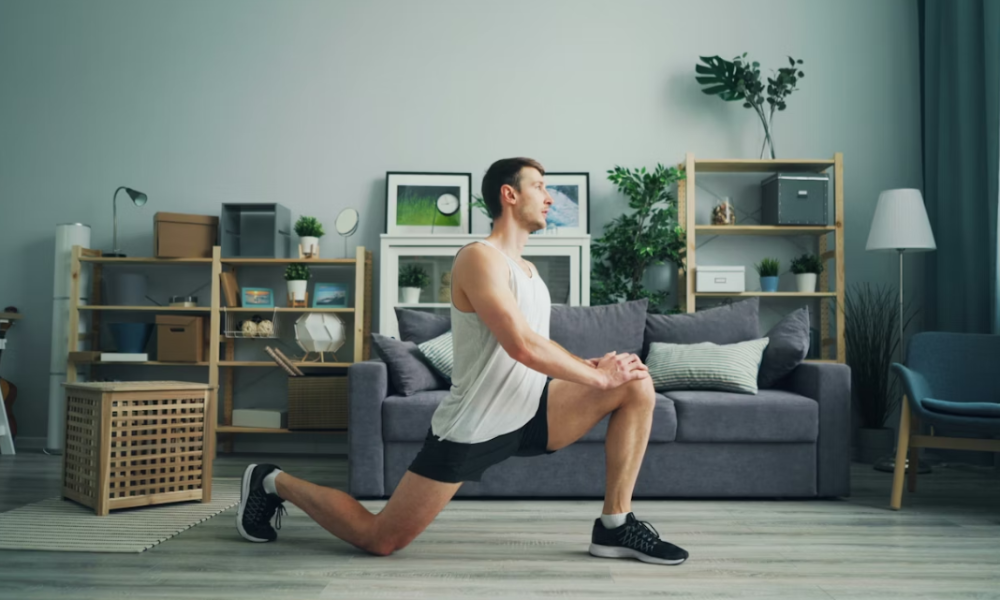
Taking care of your knees requires a mix of awareness and action. Understanding the statistics and biological factors helps you stay ahead of potential issues. Whether it is through weight management or medical intervention, relief is possible. Focus on small daily habits that support your joints. Your future self will appreciate the effort you put in today.