You don’t need a cupboard full of supplements to give your immune system a hand. Small, regular choices on your plate make a real difference, and most of what your body relies on can come from simple fruits and vegetables, particularly when they are fresh, in season, and homegrown.
Experienced gardeners and growers on Allotment Online discuss this all the time. When you grow even a small amount yourself, you start noticing how flavour and nutrition shift with the seasons and how different freshly picked produce feels compared to what sits in a fridge for days.
Some people have plenty of room to grow things, while others work with much less, but that should never discourage you from adding fresh produce to your diet.
If you are a grower short on room or time, companies like Harvst.io step in with clever solutions. They provide smart mini-greenhouses and self-watering systems for both home growers and allotment gardeners. Their equipment makes it possible to grow herbs, salads, and fruits even when space is limited or when the weather is unpredictable, allowing you to enjoy fresh, homegrown produce all year.
With that in mind, let’s look at the five fruits and vegetables that are worth growing and adding to your diet if you want a simple, steady way to support your immune system.
5 Fruits and Vegetables That Help Support Your Immune System
1. Citrus Fruits
Citrus is a reliable source of vitamin C, which supports the immune function of immune cells and helps your body respond effectively to infections. The natural plant compounds, like flavonoids, also help reduce inflammation.
On an allotment, you can grow citrus in sheltered spots or in large pots that live outdoors in summer and move under cover in winter. On a balcony, choose a dwarf variety in a frost-proof container and give it a sunny spot and adequate drainage.
Fresh citrus, like oranges, clementines, and a variety of lemons, brightens salads and is an easy way to add not just vitamin C but also fibre, potassium and natural antioxidants to your diet.
2. Garlic
Garlic contains sulphur compounds that support general immune health and add flavour to almost any meal. Its active compounds support healthy gut bacteria, and it even offers small amounts of minerals like manganese and selenium that your body uses in its defence processes.
Plant garlic cloves in autumn on allotment beds and harvest them the following summer for long-keeping bulbs. In containers, try supermarket cloves planted in deep pots, as they need decent depth and steady moisture.
Roast whole heads for a gentle, spreadable hit of flavour, or crush cloves into sauces for a stronger kick, making them perfect for winter meals.
3. Leafy Greens
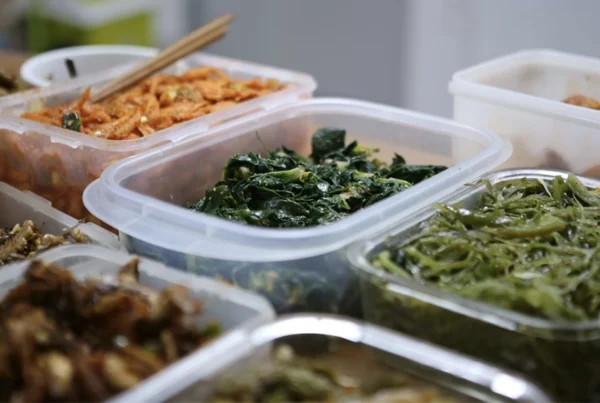
Leafy greens contain compounds your body uses to produce vitamin A, and they also offer vitamin C and folate, which all support your body’s defence. Alongside that, their fibre keeps your gut moving comfortably, which plays a quiet but important role in overall immunity.
Sow rows or beds on an allotment throughout spring and autumn for a quick harvest. For balconies, use elongated troughs or deep pots and pick baby leaves often to encourage fresh growth.
Throw a handful into soup, curries, or stir fries or simply add them to your salads for an easy nutrient boost.
4. Root Vegetables
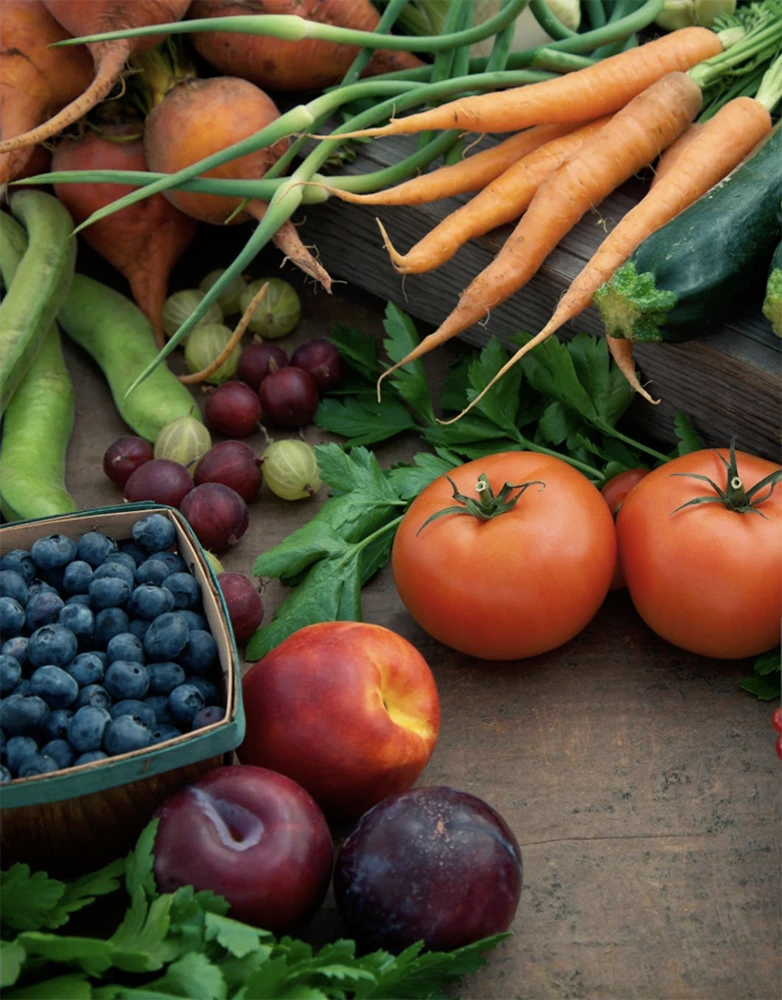
Root vegetables provide beta-carotene, which the body turns into vitamin A and helps maintain healthy mucous membranes. They offer a steady, slow release of energy that helps your immune system stay balanced throughout the day.
In an allotment, you can sow a bed of carrots or plant sweet potato slips for summer digging. On a balcony, use deep containers or grow bags, as the roots need loose and well-drained soil.
Roast or mash them for an easy and comforting dish that also gives your body the nutrients it needs for healthy immunity.
5. Berries
Berries support the immune system by providing vitamin C, which helps immune cells do their job. Their antioxidants protect those cells from damage, and their fibre feeds good gut bacteria that help regulate immunity.
They also contain plant compounds that calm low-level inflammation, giving your body a steadier defence against illness.
If you wish to plant, try raspberry canes and a well-drained bed for summer fruiting and autumn varieties for an extended season. For a smaller space, you may choose blueberries or raspberries in a tall pot to save ground space.
Eat them fresh with yoghurt, or freeze a portion for porridge or baking through the winter.
In Conclusion
Small changes at mealtimes add up to real benefits for your immune health. Whether you visit a farmers market, cultivate an entire farm with tips from community platforms or grow a few plants using smart, automated mini-greenhouses and self-watering irrigation systems.
The focus should be on keeping your garden thriving or at least ensuring access to seasonal, unadulterated, fresh and hygienic produce. Over time, these small food choices give your immune system steady support and make everyday meals taste better, too.