Large-scale accidents change lives in an instant. The immediate chaos is often just the beginning of a long journey toward recovery for many survivors.
Physical wounds might heal quickly, but the internal impact lasts much longer. Understanding these health hurdles is a key part of moving forward after a tragedy.
Immediate Physical Trauma And Initial Care
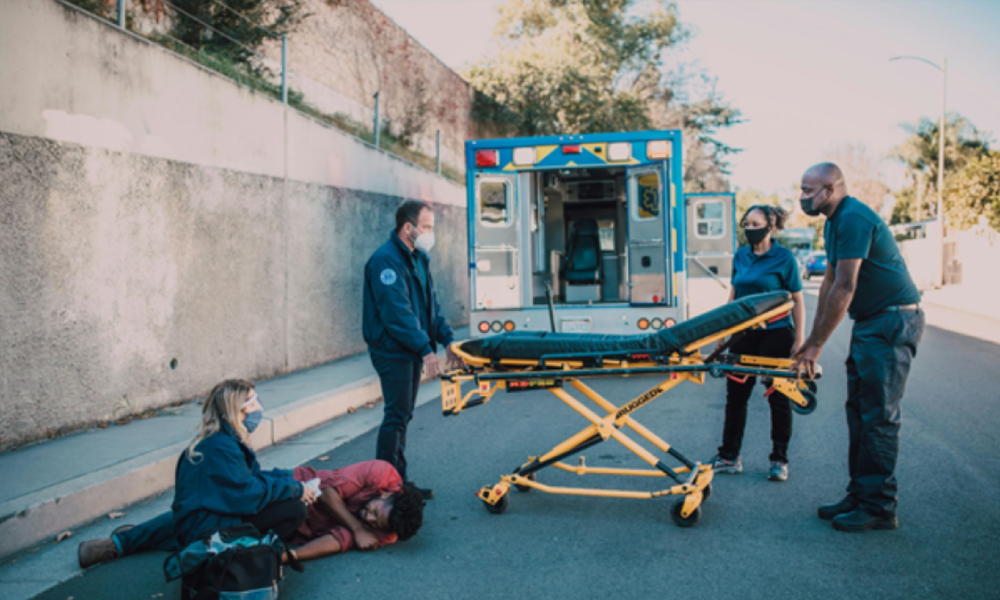
Emergency rooms fill up fast when a mass injury event happens. Doctors focus on life-saving measures like surgery and stopping blood loss.
Many victims face broken bones or internal damage that requires months of physical therapy. These injuries often dictate how someone lives for years to come.
Long-term care becomes a necessity for those with permanent disabilities. Medical bills can climb to $50,000 or more in just the first few weeks of treatment.
Insurance coverage might not stretch far enough to meet every single need. Families often manage 3 or 4 different types of therapy sessions every single week. Constant medical appointments turn into a full-time schedule – leaving little room for much else.
Seeking Legal Support For Recovery
Dealing with the aftermath of a major accident involves more than just doctors. Families often feel overwhelmed by the paperwork and insurance demands that follow a crisis. It is helpful to find experts who understand how to secure justice for mass injury cases during these difficult times. A legal professional can manage the complex details as you focus on healing your body.
Legal teams help gather evidence and speak with insurance companies on behalf of the injured. This support allows survivors to breathe a bit easier as they navigate a new reality.
The Hidden Burden Of Mental Health
Mental health is just as important as physical health after a disaster. Survivors often struggle with anxiety or flashbacks that make daily routines feel impossible.
Research from a government veterans affairs site suggests that chronic long-term problems affect less than 10% of survivors, though that number rarely tops 30%. These statistics highlight that as many recover, a significant group faces a lifelong battle.
Finding a therapist early can help prevent these issues from becoming permanent. Support groups offer a way for people to share their stories and find comfort.
Prevalence of Post-Traumatic Stress Disorder
PTSD is a common diagnosis for those who have lived through extreme trauma. It affects the victims and the people who tried to save them.
A study published in a medical journal estimated that PTSD prevalence was around 23.8% for patients and 26.9% for health workers. Even members of the general population showed a rate of 19.3% after such events.
These figures show that trauma ripples through an entire community. Recognizing the signs of PTSD is the first step toward getting the right kind of help.
Challenges With Chronic Pain Management
Chronic pain is a frequent visitor for those who have suffered major physical trauma. It can make returning to work or enjoying hobbies a massive challenge.
Managing this pain often requires a combination of different approaches to be successful. Patients might need to try several methods before finding one that works for their specific needs.
Common strategies for managing long-term pain include:
- Regular physical therapy sessions to improve mobility.
- Non-opioid medications to reduce inflammation and discomfort.
- Mindfulness and meditation to manage the stress of constant pain.
Financial Stress And Healthcare Access
The cost of healthcare is a major hurdle for disaster survivors. Missing work as you deal with medical appointments creates a double financial hit.
Families often have to choose between paying for specialized care and covering basic living expenses. This pressure can slow down the recovery process by adding more stress to the patient.
Survivors often look for various forms of financial assistance to stay afloat:
- Grants from local or national disaster relief organizations.
- Public health programs that offer sliding scale fees for therapy.
- Worker compensation benefits if the incident happened on the job.
Communities often pull together in the wake of a mass injury incident. Local groups provide meals, childcare, and emotional support to those who need it most.
Building resilience takes time and a lot of patience from everyone involved. It is a slow process that requires a strong network of friends, family, and professionals.
Long-term health is possible when survivors have access to the right resources. Every step forward is a victory in the journey toward a full recovery.
Recovery is a marathon rather than a sprint for those affected by mass injuries. Focus on small goals and lean on your support system whenever things feel heavy.
Healing involves the mind, body, and your legal rights all working together. With the right help, survivors can find a path back to a stable and healthy life.