For years, living a health-conscious lifestyle meant meal prepping on Sundays, logging miles on a fitness tracker, and scheduling annual checkups. Solid habits, no question. But something important was missing from that picture, and forward-thinking, health-minded individuals are finally recognizing it.
Today, emergency preparedness is becoming part of the wellness conversation. Specifically, CPR classes and CPR certification are finding their way into the routines of people who already take their health seriously. And honestly? That shift makes complete sense. According to the American Heart Association, immediate CPR after cardiac arrest can double or even triple a person’s survival odds. That single statistic has a way of reframing everything.
Fitting CPR Training Into a Wellness Routine You’re Already Building
Wellness has expanded well beyond personal fitness metrics. Mental clarity, stress management, and community resilience are now part of the conversation. CPR certification slots neatly into that broader definition. It’s a proactive decision, much like committing to consistent sleep or scheduling a preventive health screening.
There’s also a quieter psychological benefit worth naming: knowing you can respond in a crisis genuinely reduces baseline anxiety. That’s not a small thing for people who already invest heavily in their mental and physical well-being.
For example, San Diego attracts people who prioritize an active, intentional way of living, trail runners, gym regulars, yoga practitioners, and weekend hikers. It’s one of the most health-focused cities in the country, and that culture naturally extends to emergency preparedness.
For residents exploring CPR classes San Diego, accredited options are genuinely accessible. Providers like Heart CPR have offered in-person and blended training throughout Southern California since 2000, with flexible scheduling built for busy people.
Where Life-Saving Skills Become Urgently Relevant
Cardiac emergencies don’t schedule themselves around convenient moments. They happen at gyms, on running trails, at youth sports events, and during outdoor group fitness classes. Health-conscious individuals spend a significant amount of time in exactly these environments, which means CPR-trained bystanders are never more critical than in the spaces where active people gather.
Shifting From Personal Performance to Community Responsibility
Most wellness goals are self-focused by nature: a faster race pace, a heavier deadlift, a cleaner diet. CPR classes invite a fundamentally different kind of ambition: the capacity to protect someone else when it matters most. That “community protector” mindset is a meaningful evolution for anyone already committed to living with intention.
What You’ll Actually Learn, and Why It Sticks
Here’s the practical reality of completing a CPR course: the core skills are genuinely learnable in a single session, even without any medical background.
The Techniques That Matter Most
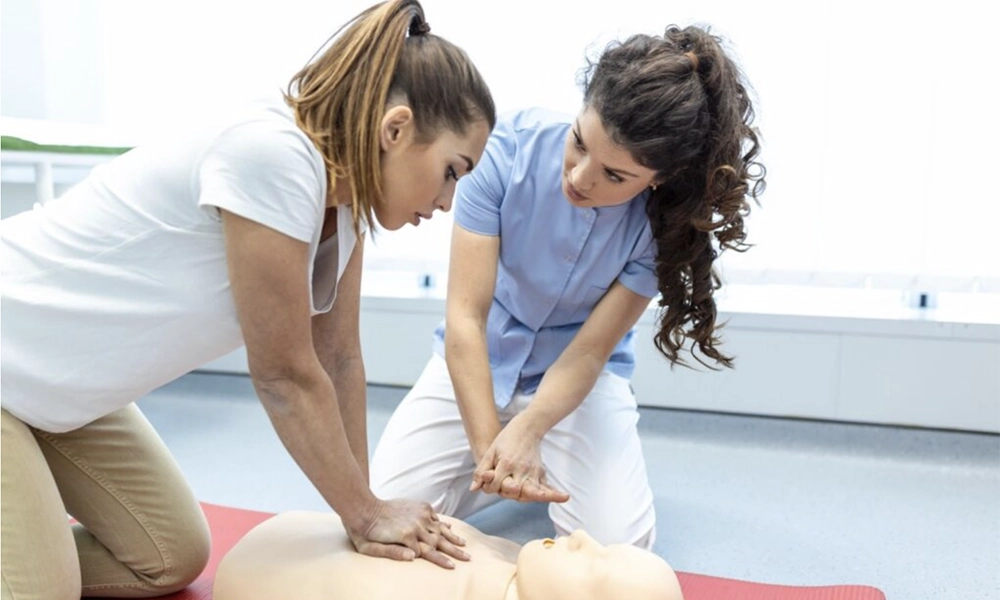
You’ll practice identifying cardiac arrest quickly, delivering chest compressions at the correct depth and rhythm, and understanding when hands-only CPR is the right approach. These aren’t clinical procedures reserved for healthcare providers; they’re straightforward, repeatable actions any capable adult can execute under pressure.
AED Training: Turning Familiarity Into Confidence
AEDs are installed in most gyms, office buildings, and community recreation centers. Yet most people have never touched one. CPR certification typically includes hands-on AED training, proper pad placement, when to deploy the device, and how to follow voice prompts calmly. In a real emergency, that practiced familiarity is invaluable.
Additional Skills Most Courses Include
Beyond the core curriculum, many programs cover choking response for adults, children, and infants; first aid for sprains, cuts, and heat-related illness; and early warning signs of heart attack and stroke. For active families and fitness-oriented adults, these additions make enrollment a straightforward decision.
Real Benefits That Extend Into Everyday Life
Elevated Safety in Every Active Environment
Vigorous exercise is beneficial, but it can occasionally reveal underlying cardiac conditions. OSHA formally recommends that every workplace include at least one employee trained and certified in first aid, including CPR. The same principle applies to gyms, recreational leagues, and group fitness settings. A CPR-certified member in any environment measurably raises the safety standard for everyone present.
Preparedness as a Stress Management Tool
There’s something grounding about genuine competence. Research consistently connects preparedness education with stronger psychological resilience. For health-conscious individuals who already prioritize stress reduction, CPR training adds another layer of confidence, less ambient worry, and more certainty about your ability to act.
Shared Safety as a Community-Building Experience
Taking a CPR course with your partner, workout group, or neighbors transforms a personal skill into a collective strength. Community initiatives like Revive & Survive San Diego have demonstrated that wide-scale CPR training doesn’t just improve survival rates, it actively strengthens the bonds within neighborhoods.
Choosing the Right CPR Program
Not every course is equal. Here’s what to look for when evaluating your options.
| Feature | Why It Matters |
| AHA or Red Cross accreditation | Ensures nationally recognized certification |
| Hands-on manikin practice | Builds real-world muscle memory |
| AED trainer included | Prepares you for real gym/office emergencies |
| Flexible scheduling | Evening, weekend, or blended options |
| Scenario-based training | Covers gym, sports, and home emergencies |
| Recertification reminders | Keeps your skills current and effective |
Prioritize programs that incorporate scenarios relevant to your actual life, active outdoor settings, group fitness environments, family situations, and workplaces.
CPR Is the Wellness Skill Most People Overlooked, Until Now
A health-conscious lifestyle built entirely around personal optimization leaves something meaningful on the table: the ability to protect someone else in a critical moment. CPR classes and CPR certification close that gap in a practical, evidence-supported way. Emergency preparedness isn’t adjacent to wellness; it’s an expression of it.
Whether you’re a dedicated parent, a fitness enthusiast, or simply someone who takes living responsibly seriously, CPR belongs on your list. In Southern California, certified, accessible training is within reach, and there’s no compelling reason to keep delaying it.
Common Questions About CPR for Health-Conscious Adults
- Why does keeping CPR skills current actually matter?
CPR proficiency can diminish without regular practice. Renewing your CPR certification every 12 months ensures your technique and confidence remain response-ready.
- What certification level is right for most active adults and parents?
A standard CPR/AED course covers adult, child, and infant CPR plus AED operation, broad, practical coverage that requires no healthcare background or prior experience.
- Can someone without medical training perform CPR effectively?
Yes, emphatically. Hands-only CPR guidelines were designed specifically for everyday bystanders. Modern CPR classes emphasize simple, repeatable techniques that non-medical adults can execute confidently, even under stress.
- What about the fear of doing something wrong?
Instructors address this directly. Manikin practice builds muscle memory and reduces hesitation. Good Samaritan laws in most states also protect well-intentioned bystanders legally, which removes one of the biggest psychological barriers to acting.
- About the Author
- Latest Posts

Our Editorial Team are writers and experts in their field. Their views and opinions may not always be the views of Wellbeing Magazine. If you are under the direction of medical supervision please speak to your doctor or therapist before following the advice and recommendations in these articles.