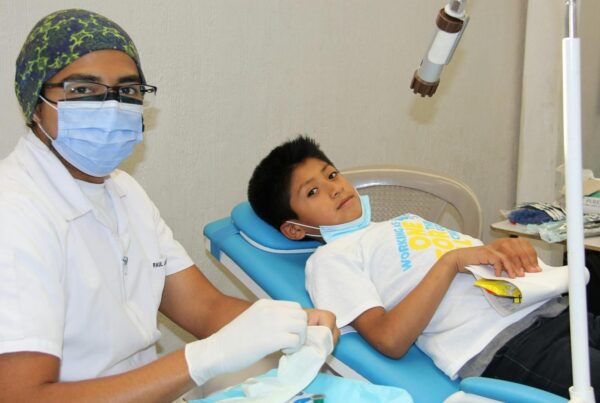
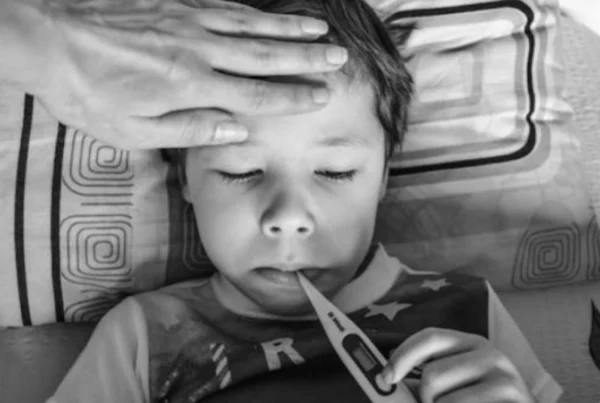
In the modern wellness space, we are a culture obsessed with individual optimization. We meticulously track our sleep cycles with wearable technology, we balance our daily macronutrients, we invest in cold plunges and infrared saunas, and we curate the perfect morning meditation routines. These are all incredible, scientifically backed tools for personal vitality. We spend an immense amount of time, energy, and capital optimizing the vessel we live in.
But there is a growing realization within the holistic health community that our working definition of “wellness” has become too isolated. True holistic health extends far beyond the walls of the gym and the boundaries of our own bodies. It encompasses our relationship with our environment and the people around us.
We must ask ourselves a challenging question: What good is a perfectly optimized resting heart rate if we do not know how to intervene when a neighbor’s heart suddenly stops?
A new, empowering lifestyle trend is taking root across London, Ontario. Everyday citizens are realizing that true health includes community resilience. Being physically and mentally prepared to handle a sudden medical crisis is the ultimate form of holistic care, transforming individuals from passive bystanders into active protectors of their neighborhoods.
Wellness as an Act of Service
When we limit our definition of health to diet and exercise, we miss the fundamental human element of connection. A healthy community requires more than just access to organic grocers, boutique fitness studios, and scenic running trails. It requires a decentralized network of individuals who are capable of looking out for one another in the most critical moments.
Medical emergencies do not make appointments, and they rarely happen in convenient locations. Sudden cardiac arrest, severe allergic reactions (anaphylaxis), and choking incidents are statistical realities that unfold where life happens. They occur in the grocery checkout line, during a weekend youth soccer game at the local park, or while dining out with friends.
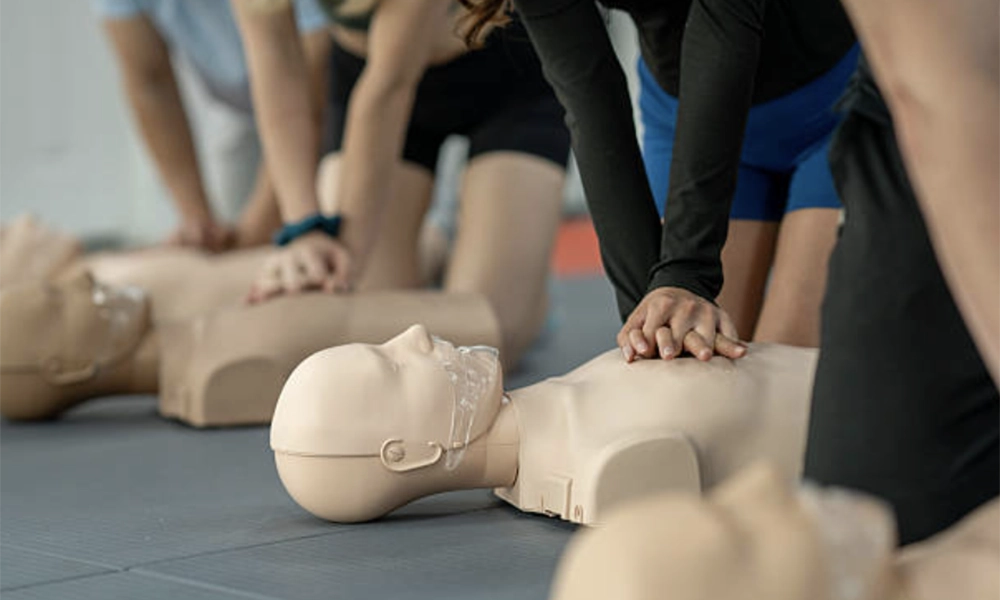
When you possess the physical muscle memory to perform high-quality chest compressions or administer an EpiPen, you carry a safety net with you everywhere you go. This preparedness acts as a profound psychological buffer. Knowing that you are capable of stepping into the chaos of an emergency directly reduces your own baseline anxiety. You are no longer fearful of the “what ifs” in public spaces. You provide immense, tangible value to the people around you, embodying the very highest standard of community wellness.
The Mind-Body Connection in a Crisis
From a psychological perspective, emergency preparedness aligns perfectly with the core tenets of mindfulness. Mindfulness teaches us to remain present, to observe a situation without immediate judgment, and to act with intention rather than reacting out of blind emotion.
When an untrained individual witnesses a severe medical emergency, their autonomic nervous system triggers a massive adrenaline dump, frequently resulting in the “freeze” response. They succumb to panic because they lack a cognitive script to follow.
Conversely, formal safety training bridges the gap between the mind and the body. By practicing life-saving techniques on a training mannequin, you build physical muscle memory. When a real crisis occurs, your training grounds you. Instead of panicking, you default to your established script. You take a deep breath, assess the scene, assign someone to call 911, and begin compressions. This ability to remain anchored and intentional during a high-stress event is the ultimate expression of a disciplined, mindful life.
Integrating Readiness into Your Busy Routine
Historically, the primary barrier preventing everyday citizens from learning these skills was the time commitment. The idea of sacrificing an entire weekend of personal time to sit in a sterile classroom did not fit into a modern, active lifestyle.
Fortunately, the safety education industry has evolved. Today, securing your certification is as accessible as booking a weekend yoga workshop or a specialized fitness class. The introduction of the Blended Learning model has revolutionized public access to medical training. Participants can now complete the underlying medical science, reading, and theory modules online from the comfort of their couch or a local coffee shop. After mastering the cognitive portion, they only need to attend a short, highly engaging in-person session to physically practice the movements under the guidance of an expert.
For residents in the city, finding a reputable, high-quality program is seamless. Whether you are navigating the bustling retail environment and seeking CPR training near White Oaks Mall, or you work closer to the downtown core, local hubs are fully equipped to guide you. Facilities such as Coast2Coast First Aid & Aquatics, conveniently located at 717 Richmond Street #304A, London, ON N6A 3H1 (Phone: 866-291-9121), offer modern, supportive environments tailored specifically for the general public rather than just clinical professionals.
Standardizing Your Community Impact
When you decide to add emergency preparedness to your wellness routine, it is vital to learn from an organization that adheres to national medical standards. By choosing a recognized leader like Coast2Coast First Aid & Aquatics, you guarantee that the techniques you are learning reflect the most current, evidence-based guidelines provided by major health councils.
You can explore how these specific, lifestyle-friendly training programs are structured, and find a session that fits your schedule, by visiting https://www.c2cfirstaidaquatics.com/.
As we move forward into a new year, it is time to challenge ourselves to expand our definition of self-care. Make your next wellness goal about more than just personal fitness or nutritional tracking. Learn how to save a life, build unshakeable internal confidence, and become a vital pillar of health and safety in your community.
FAQ: Community Preparedness and Wellness
1. Do I need to be athletic or physically strong to perform CPR effectively?Not at all. Effective chest compressions rely on proper technique and leverage, not raw arm strength. Instructors teach you how to lock your elbows and use your upper body weight to compress the chest, making it manageable for individuals of all fitness levels.
2. What is the most important thing I can do if I witness a medical emergency in public?First, take a deep breath to ground yourself and ensure the scene is safe to enter. Then, overcome the “bystander effect” by pointing directly at a specific person in the crowd and stating, “You, call 911 and find an AED.” Taking immediate, vocal control of the situation is the most critical first step before rendering physical aid.
3. Will taking a First Aid course teach me how to manage a choking incident?Yes. A comprehensive standard course thoroughly covers airway obstructions for adults, children, and infants. You will learn the modern protocols, which involve a combination of targeted back blows and abdominal thrusts (formerly referred to as the Heimlich maneuver) to dislodge the object.
4. Are everyday citizens legally protected if they step in to perform CPR?Yes. In Ontario, the Good Samaritan Act is designed specifically to protect everyday citizens who voluntarily provide emergency medical assistance in good faith. As long as you act reasonably and within the scope of your basic training, you are shielded from civil liability.
5. How often should I refresh my safety skills to keep my muscle memory sharp?While a formal Red Cross certification is typically valid for three years, physical muscle memory can begin to fade after twelve months if the skills are not used. Many wellness-focused individuals choose to take a short recertification class annually to ensure their confidence and physical technique remain at peak readiness.