When a Strep Infection Changes Behavior Overnight: What Parents Should Know
Discover how strep infections can lead to sudden behavior changes in children, including anxiety, tics, and mood shifts, and when to seek medical advice.
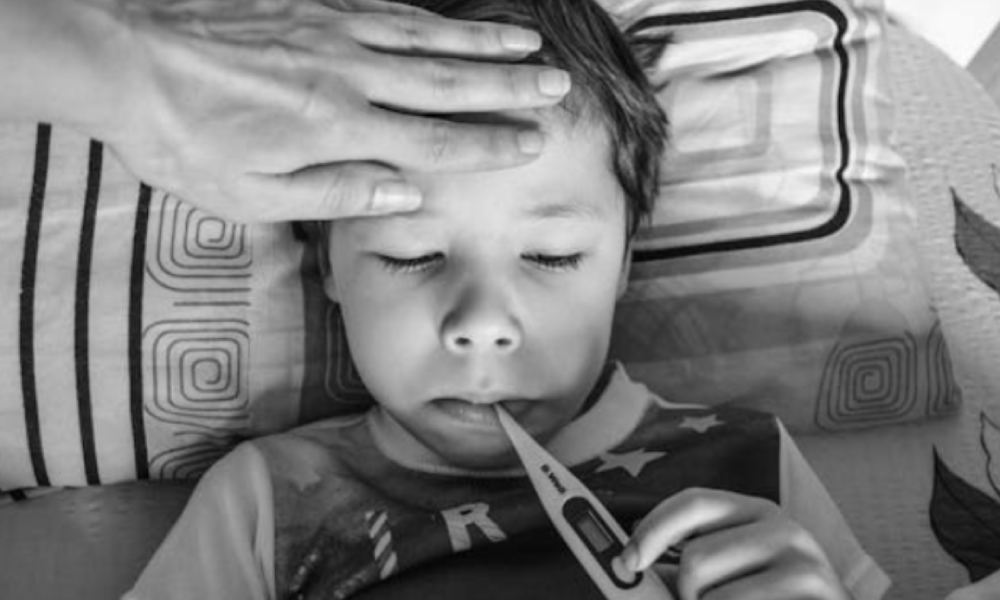
One day your child is fine, and the next day something feels off. They may seem anxious, irritable, or stuck in behaviors that were never there before. For many parents, this shift happens soon after a common illness like strep throat. That sudden change can feel confusing and even frightening, especially when it does not match your child’s usual personality.
Most people think of strep as a short-term infection that clears with treatment. What many do not realize is that, in some cases, it can be linked to changes in behavior. This article will help you understand what may be happening, what signs to watch for, and when to take the next step.
How an Infection Can Affect the Brain
When your child gets sick, the immune system works to fight the infection. This process usually protects the body and helps it recover. In some cases, however, the immune response does not stay focused on the infection alone. It may begin to affect other areas, including parts of the brain that control mood and behavior.
This can lead to changes in how a child thinks, feels, or reacts. The brain areas involved help manage movement, emotions, and decision-making. When they do not work as they should, behavior can shift quickly. This is not something a child can control or explain. Understanding this link can help parents see that these changes may have a medical cause, not just a behavioral one.
Understanding a Condition Linked to Strep
Some cases of sudden behavioral change after illness connect to a condition known as PANDAS. In simple terms, this refers to a situation where a strep infection is followed by rapid changes in behavior or mental health symptoms. Now that we have PANDAS disorder explained, it becomes easier to see why these symptoms can feel so sudden and confusing for families.
This condition highlights a link between infection and symptoms such as anxiety, repetitive behaviors, or tics. It can be difficult to recognize because the signs may look like common childhood issues at first. However, the timing is important. When symptoms appear soon after a strep infection, it can point to something more specific that needs attention and proper care.
Signs Parents Often Notice First
The first signs are usually behavioral, not physical. Many parents notice sudden anxiety, especially when a child does not want to be away from them. Others see new habits like repeated handwashing or checking things again and again. Some children develop small movements or sounds they cannot control, such as blinking or throat clearing.
Mood changes are also common. A child may become easily frustrated or show anger that feels out of character. Sleep problems can start around the same time, along with changes in appetite. These signs can appear together or build over a few days. Because they show up so quickly, they often feel intense. Paying attention to these early signals can help you act sooner rather than later.
Why This Feels Different from Typical Anxiety
Childhood anxiety or habits like repetitive behaviors usually develop over time. Parents may notice small changes that grow slowly. In these cases, there is often a clear pattern or trigger, such as school stress or changes at home. The situation discussed here feels different because of how quickly everything starts.
The intensity can also be higher. A child may go from having no issues to showing strong anxiety or behaviors within days. These changes can come and go, sometimes improving and then returning again. This pattern can confuse families and delay action. Recognizing that this is not a gradual process helps parents take concerns seriously and seek guidance sooner instead of waiting for things to settle on their own.
What Doctors Consider During Diagnosis
Doctors rely on a detailed history when they evaluate these symptoms. They will ask about recent illnesses, especially strep infections, and how quickly the behavior changes began. The timing between illness and symptoms is often a key part of the assessment. They also look at the type of behaviors and whether they appeared suddenly.
A physical exam and basic tests may help confirm if a recent infection occurred. These can include throat swabs or blood tests that show signs of past strep exposure. Doctors also work to rule out other conditions that could explain the symptoms. There is no single test for this condition, so careful observation and a clear timeline guide the diagnosis process.
Treatment Approaches That Focus on Recovery
Treatment usually targets both the infection and the symptoms. If a strep infection is still present, doctors treat it with antibiotics. In some cases, they may also address the immune response if symptoms are severe. The goal is to reduce the cause behind the sudden changes, not just manage the behavior.
Therapy can help children cope with anxiety or repetitive behaviors. Approaches like cognitive behavioral therapy give children tools to manage their thoughts and reactions. Some children may also need short-term medication to ease symptoms such as anxiety or sleep issues. Treatment plans vary, so doctors adjust care based on how each child responds over time.
Simple Ways Parents Can Support at Home
Home support can make a big difference in how a child manages symptoms. Keeping daily routines steady helps children feel more secure when their behavior feels out of control. Clear schedules for meals, schoolwork, and sleep can reduce stress. It also helps to stay calm during difficult moments, even when behaviors feel frustrating.
Avoid punishing behaviors that the child cannot control. Instead, offer reassurance and simple guidance. Let teachers know what is happening so they can provide support at school. Rest and good nutrition also support recovery. Small steps at home can help children feel safe and understood while they work through these changes.
Sudden behavior changes in children can feel overwhelming, especially when they follow a common illness like strep. These changes are not always easy to understand, and they can leave parents searching for answers. Paying attention to how quickly symptoms appear and how they affect daily life can help you decide when to take action.
The most important step is not to ignore what you see. Early support, proper evaluation, and a steady home environment can make a real difference. With the right care, many children improve and return to their usual selves. Staying informed and responsive helps you support your child with confidence during a difficult time.