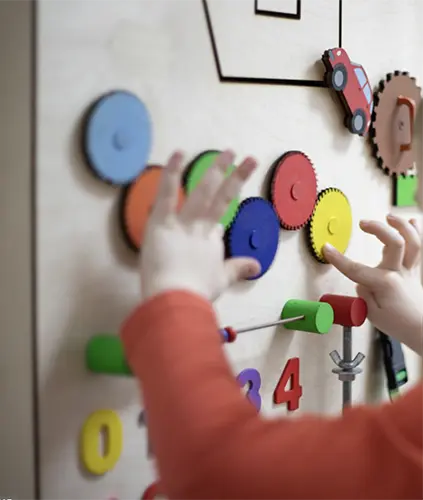
Autism Spectrum Disorder, or ASD, is a behavioral, social, and communicative developmental disorder. No two autistic children are the same, each having different strengths and weaknesses, so the intervention has to be customized. Applied Behavior Analysis, or ABA therapy, is one of the most effective, evidence-validated treatments for children with ASD. ABA therapy is behavior learning, new skill introduction, and building desired behaviors in a systematic, measurable manner.
Learning About ABA Therapy
ABA therapy is research-based. It considers why behavior operates, how the environment influences it, and how learning occurs. ABA therapists analyze skills and divide them into extremely minute, discrete steps. They bring the pieces together in a stepwise fashion by repetition, reinforcement, and teaching. The end result is to provide children with useful skills that optimize independence and quality of life.
ABA therapy is highly individualized. The first step is always a global appraisal to determine a child’s needs, strengths, and areas of support. The appraisal is the foundation of an individualized intervention plan. The goals may vary from improving communication and social skills to regulating problem behavior and strengthening daily living skills. Families are also eligible to access ABA therapy services in North Carolina at home, where the kids can be provided specialist treatment within the comforts of their homes while parents are actively involved in their development.
Development of Communication Skills
One of the most prevalent issues autistic children suffer from is communication. For the majority of children with ASD, communication of their needs, learning language, and social conversation is difficult for them. ABA therapy resolves such issues through evidence-based strategies like discrete trial training (DTT) and natural environment teaching (NET).
Discrete trial training also divides up communication skills into discrete mini-units. For instance, a child is taught to identify objects initially, then label objects, and ultimately learn simple sentences. Natural environment teaching emphasizes the training of skills in naturally occurring situations in which children can use what they have learned in actual situations.
By enhancing communication, ABA therapy not only lowers the level of frustration in the child but also enhances their communicative ability with teachers, peers, and relatives.
Gaining Social Skills
Social interaction is also one such area where children with autism fall behind. They can be challenged by maintaining eye contact, taking turns, identifying feelings, or being a friend. Direct training in social skills helps children gain and rehearse these interactions through ABA therapy.
Social appropriateness is displayed by the therapists, they ask questions as needed, and reward for proper interaction. Role-playing, group work, and everyday social interactions are incorporated in activities. Gains confidence, becomes more empathetic, and more capable of being in social interaction over time.
Managing Challenging Behaviors
Anxiety, inattention, or hyperactivity are prevalent in kids with autism. They are distracting and can interfere with family life, learning, and daily living. ABA intervenes in these behaviors by becoming familiar with their function and antecedent.
When the causative factor of the behavior is identified, therapists place controls on limiting offending behavior and train the replacement desirable behavior. For example, if a child throws tantrums to be noticed, the therapist would train him or her to request attention in an appropriate manner instead. Positive behavior replaces problem behavior over time with repetition of reinforcement.
Learning Daily Living Skills
Daily living independence is among the key outcomes for people with autism. ABA therapy promotes the acquisition of daily living skills including dressing, feeding, grooming, and hygiene. The skills are divided into small sizes and learned by repetition, modeling, and reinforcement.
For instance, toothbrushing may be introduced through demonstration by practicing the toothbrush grip, applying toothpaste, and brushing teeth in a step-by-step gradual process. With supervision and patience, children are guided to accomplish these helpful skills step by step, which enhances their independence and self-esteem.
Academic Support
ABA therapy can also assist with academic success. Kids with autism will struggle with focus, completing assignments, or acquiring new information. ABA strategies can be adapted into classroom environments for assistance with students.
Structured instructional procedures, reinforcement schedules, and customized training are utilized by therapists in teaching children in academics. These treatments enable children to be capable of keeping up with other children while becoming confident in their work.
In-Home ABA Therapy: Personalized Support at Home
In-home ABA therapy is very helpful for the majority of families. Home is comfortable and predictable for the child, thus lessening the level of anxiety and enhancing interaction. Furthermore, therapists can observe natural interactions in daily life and implement interventions based on the child’s daily routine.
In-home ABA therapy allows parents to take an active role in their child’s progress. Parent consultation and training are commonly provided by therapists, which provide families with the capacity for maintaining continuing practice of reinforcement of skills and strategies. It becomes generalizable and ongoing learning across settings.
Early Intervention and Long-Term Benefits
Studies have established that the greatest outcomes are realized when children with autism are treated with ABA early in life. Early intervention in children equips them with necessary skills in socialization, communication, and accommodation prior to the development of entrenched problem behavior.
With time, continuous ABA treatment yields dramatic gains in learning, behavior, and independence. The majority of children can acquire skills to enable them to participate more actively at school, socially, and at home within the family. Parents note increased confidence,
lower stress levels, and hope for the future.
Collaboration with Families and Educators
ABA therapy works better when all parties help together through a joint operation among therapists, families, and teachers. Sharing information, creating realistic expectations, and having the same methods employed at home and in school provides children with an umbrella support system.
Repeated monitoring by therapists of the progress also allows them to revise intervention plans based on data and changing needs of the child. This data-driven method is a promise of each session being effective and customized for maximum learning and development.
Conclusion
ABA therapy provides Autism Spectrum Disorder children with a highly structured, research-driven, and individualized path to success. Through communication treatment, social skills treatment, behavior treatment, daily living skills treatment, and school-based support, ABA therapy enables children to reach their potential.
To those families who need interventions which work, ABA therapy is not just skill acquisition but hope and empowerment. In the event of early intervention, consistent guidance, and coordination of the therapists and families, children with autism can acquire much and improve the quality of their lives.
- About the Author
- Latest Posts

Our Editorial Team are writers and experts in their field. Their views and opinions may not always be the views of Wellbeing Magazine. If you are under the direction of medical supervision please speak to your doctor or therapist before following the advice and recommendations in these articles.