Cannabis and Women’s Health: Hormonal Balance and Menstrual Relief
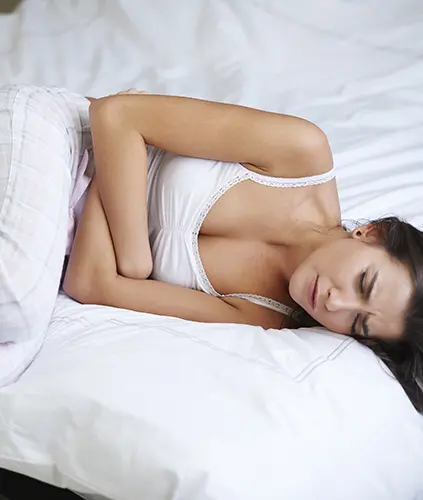
Menstrual discomfort remains a significant concern for many women, prompting interest in alternative treatment options such as cannabis.
Source: Freepik
Menstrual discomfort remains a significant concern for many women, prompting interest in alternative treatment options such as cannabis. Many women report that using cannabis products helps alleviate cramps and mood swings associated with their cycles. With cannabis being utilized for its analgesic properties, the prospect of integrating it into women's health care is becoming more widely accepted.
With the growing interest in natural remedies, many women are turning to cannabis as a viable alternative to conventional pain relief methods. In areas where cannabis availability is legal, such as weed delivery Shingle Springs services, access to these therapeutic options is more convenient for women seeking relief from menstrual discomfort. Understanding this connection can empower women to make informed choices about their health.
Understanding Women’s Hormonal Health
The Role of Hormones in Women’s Health
Hormones serve as chemical messengers that regulate vital bodily functions. For women, three primary hormones: estrogen, progesterone, and testosterone, play essential roles:
- Estrogen regulates reproductive health, bone strength, and mood.
- Progesterone prepares the body for pregnancy and supports sleep.
- Testosterone, present in smaller amounts, affects energy and libido.
These hormones fluctuate in cycles, affecting physical health and emotional balance throughout the month.
Common Hormonal Imbalances
Several conditions are linked to hormonal imbalances, including:
- Premenstrual Syndrome (PMS): Irritability, cramps, bloating, and mood swings.
- Polycystic Ovary Syndrome (PCOS): Irregular periods, acne, and insulin resistance.
- Menopause: Declining estrogen and progesterone cause hot flashes, mood shifts, and bone changes.
These issues can be disruptive, making alternative or complementary treatments a valuable option.
The Therapeutic Properties of Cannabis
Key Components in Cannabis
Cannabis contains many compounds, but two stand out:
- THC (Tetrahydrocannabinol): Offers psychoactive effects and potential pain relief.
- CBD (Cannabidiol): Non-psychoactive with calming and anti-inflammatory benefits.
Other compounds called terpenes, such as linalool (relaxation) and beta-caryophyllene (anti-inflammatory), may enhance cannabis’s therapeutic impact.
How Cannabis Works in the Body
Cannabinoids interact with the endocannabinoid system (ECS), which regulates hormones, influences mood, and affects pain perception. Receptors are found throughout the body, including in the reproductive system. Cannabis may help:
- Support hormonal regulation.
- Reduce inflammation and pain.
- Stabilize mood and improve sleep.
Cannabis for Menstrual Relief
Can Cannabis Relieve Menstrual Symptoms?
Emerging studies and user reports suggest cannabis can ease several menstrual-related issues:
- Cramps: The anti-inflammatory properties may help relax the uterine muscles.
- Mood swings: CBD may reduce anxiety, while THC can promote relaxation.
- Migraines: Cannabis has been linked to reduced headache frequency and intensity.
Though more clinical research is needed, many women find relief through cannabis use.
Ways to Use Cannabis for Relief
Different consumption methods offer varying effects:
- Inhalation (smoking or vaping): Fast-acting relief but shorter duration.
- Edibles: Slower onset (30–90 minutes) with long-lasting benefits.
- Topicals: Applied to the lower abdomen for targeted cramp relief.
- Tinctures: Absorbed under the tongue for balanced onset and duration.
Choosing the right method depends on personal preference, lifestyle, and sensitivity.
Considerations and Recommendations
Safety and Side Effects
Cannabis is generally safe but not without considerations:
- THC may cause dizziness, impaired concentration, or anxiety in some users.
- Medication interactions should be discussed with a healthcare provider.
- Overuse may lead to unwanted side effects like nausea or fatigue.
Legal and Ethical Factors
Cannabis laws vary widely. In California, medical and recreational use is legal, but restrictions differ in other states and countries. Ethical considerations also exist, such as access, affordability, and stigma surrounding women’s cannabis use.
The Importance of Medical Guidance
Women interested in trying cannabis for hormonal health should consult a healthcare provider. Professional guidance can help determine:
- Safe dosages.
- Suitable consumption methods.
- Potential interactions with medications.
Frequently Asked Questions (FAQs)
Can cannabis help with PMS symptoms?
Yes. Many women report relief from cramps, bloating, and mood swings, though more research is underway.
Is cannabis safe for women with hormonal issues?
It can be, but medical supervision is recommended to avoid interactions with other treatments.
What’s the best method for menstrual relief?
Edibles and tinctures offer longer-lasting relief, while topicals are effective for localized cramps.
Are there side effects of cannabis use?
Yes. Possible side effects include dizziness, anxiety, or fatigue, especially with high-THC strains.
Do doctors recommend cannabis for women’s health?
Some healthcare providers support it as a complementary option, though clinical evidence is still developing.
Conclusion
Cannabis offers promising potential for women seeking relief from hormonal imbalances and menstrual discomfort. While more research is needed, existing evidence shows cannabis may improve quality of life by easing pain, stabilizing mood, and supporting overall well-being.
Empowering women with safe, informed choices is key. Accessible resources, such as NorCal Holistics Sacramento, provide opportunities to explore cannabis as part of a holistic health approach without replacing professional medical advice.
Filed underMenopause, Anxiety, Gut health & IBS, Diabetes, Skin conditions, Chronic pain, Fertility & pregnancy, Women's health & hormones, United States, Rest & rejuvenation, Sleep, Energy & vitality, Calm