Rural estates today occupy a curious space between tradition and expectation. Rolling land, long sightlines, and quiet settings invite restraint, yet modern use demands flexibility. Architecture becomes the interpreter, translating landscape into lived experience while respecting scale, climate, and inherited character. Thoughtful planning sets the tone long before foundations appear, shaping how buildings sit, move, and age within their surroundings.
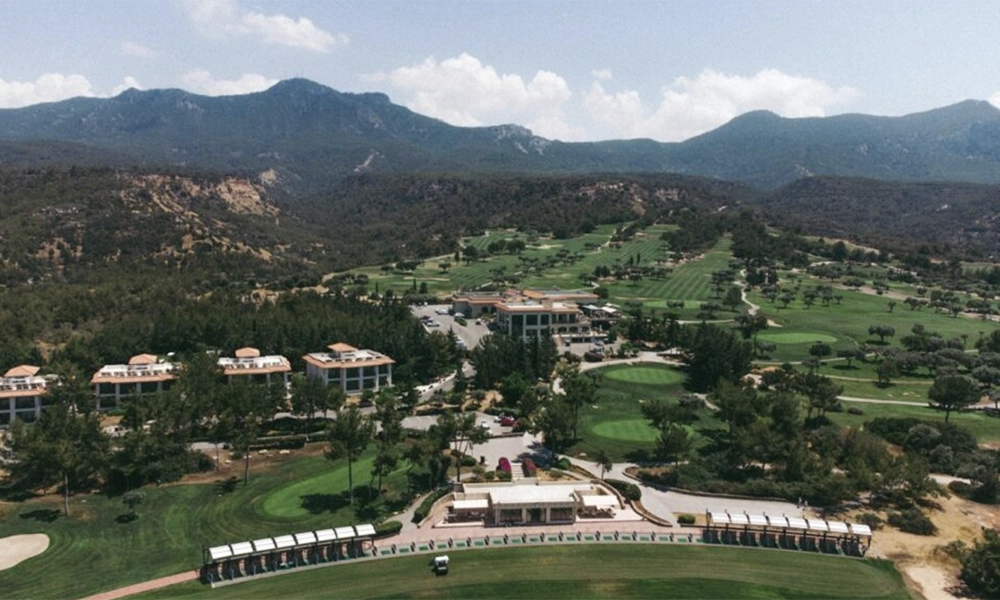
During early concept development, collaboration defines success. Landowners, planners, ecologists, and sporting estate architects often work side by side to align vision with stewardship. Decisions made at this stage influence circulation routes, visual impact, and long-term adaptability. Sensitivity replaces spectacle, allowing estates to feel established rather than imposed.
Planning With Purpose
Every countryside project begins with reading the land. Topography, soil composition, prevailing winds, and water movement inform layout choices. Ignoring these factors risks disruption that no amount of detailing can disguise. Successful planning responds to natural rhythms, positioning structures where they belong rather than where convenience dictates.
Access also shapes experience. Arrival sequences, service routes, and pedestrian paths require careful separation. Clear hierarchy prevents congestion while preserving tranquillity across the wider holding.
Landscape Integration as Design Foundation
Buildings rarely stand alone within rural estates. Woodland edges, open pasture, and managed parkland provide context that architecture must acknowledge. Orientation matters, ensuring views frame nature without dominating it. Materials drawn from local geology help structures recede visually, creating harmony through familiarity.
Planting strategies support this relationship. Native species soften boundaries and encourage biodiversity. Over time, architecture becomes part of the landscape narrative rather than an interruption.
Heritage Influence Without Imitation
Historic reference continues to guide countryside design. Proportion, massing, and roof forms echo regional precedents without resorting to replication. This approach honours local identity while avoiding pastiche.
Detailing plays a quiet role. Window reveals, stone coursing, and joinery profiles draw inspiration from nearby examples. Such elements feel intuitive because they grow from place-specific knowledge rather than imported fashion.
Functionality Across Diverse Uses
Modern estates rarely serve a single purpose. Residential accommodation, leisure facilities, agricultural operations, and hospitality venues often coexist. Architecture must accommodate varied activity without visual conflict.
Zoning offers clarity. Discrete clusters allow different functions to operate independently while maintaining overall cohesion. Thoughtful separation protects privacy and supports operational efficiency.
Sustainability Within Rural Contexts
Environmental responsibility aligns naturally with countryside development. Passive design principles reduce reliance on mechanical systems. Thick walls, shaded openings, and strategic glazing moderate temperature through simple means.
Renewable technologies integrate subtly when planned early. Ground source heating, biomass systems, and discreet solar installations support long-term resilience without altering the visual character.
Navigating Regulation and Stewardship
Planning frameworks governing rural estates demand careful navigation. Conservation policies, environmental protections, and community considerations influence outcomes. Early dialogue with authorities builds trust and streamlines approval processes.
Stewardship extends beyond compliance. Responsible development safeguards land for future generations, reinforcing the social licence under which estates operate.
Architecture as Ongoing Relationship
Countryside estates evolve over decades rather than seasons. Architecture should anticipate change, allowing buildings to adapt as use patterns shift. Flexibility ensures relevance without repeated intervention.
Ultimately, architecture shapes how people engage with rural land. Through measured planning, landscape awareness, and respect for heritage, modern countryside estates achieve balance. Built form becomes a quiet companion to the land, enhancing experience while preserving the character that drew people there in the first place.