

The intersection of fitness coaching and post-surgical recovery represents a rapidly evolving landscape where technology serves as the bridge between medical care and rehabilitation success. Modern fitness professionals are increasingly called upon to support clients through complex recovery journeys that require precision, monitoring, and adaptive programming.
Post-surgery rehabilitation demands a sophisticated understanding of healing timelines, movement restrictions, and progressive exercise protocols. Personal trainer software has emerged as an essential tool, enabling fitness coaches to design and deliver safe, effective, and personalized recovery programs. With built-in features for tracking progress, modifying workouts, and ensuring compliance with medical guidelines, these platforms provide the oversight and flexibility required to support clients through vulnerable stages of healing.
The Critical Role of Technology in Post-Surgical Fitness
Recovery technology has transformed how fitness professionals approach post-surgical client care. Traditional methods relied heavily on subjective assessments and general timelines, but modern digital health tools provide objective data that informs every aspect of the recovery process.
The integration of wearable devices, mobile health apps, and remote monitoring systems creates a comprehensive ecosystem that tracks everything from heart rate variability to movement patterns. This data-driven approach allows certified fitness trainers to make informed decisions about exercise progression while maintaining constant awareness of client limitations.
Telehealth integration has become particularly valuable in post-surgical fitness coaching. Clients recovering from surgery often face mobility restrictions that make traditional gym visits challenging. Virtual training platforms eliminate these barriers while providing the professional guidance essential for safe recovery.
Essential Technology Tools for Post-Surgery Recovery
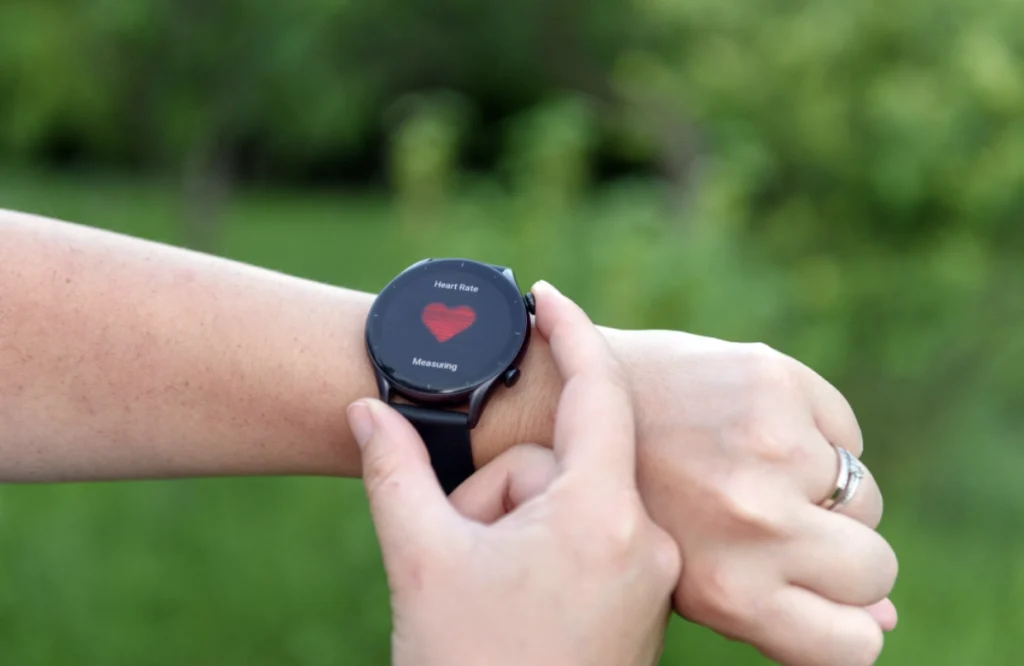
Wearable Devices and Biometric Monitoring
Fitness tracking devices have evolved beyond simple step counters. Modern wearables provide comprehensive biometric monitoring including heart rate variability, sleep quality, stress levels, and recovery metrics. For post-surgical clients, these devices offer invaluable insights into healing progress and exercise tolerance.
Heart rate monitoring becomes particularly critical during post-surgical recovery. The cardiovascular system responds differently to exercise stress during healing periods, and real-time monitoring helps fitness professionals maintain safe exercise intensities while promoting optimal recovery.
Advanced wearables include movement analysis capabilities that detect compensation patterns and movement asymmetries common in post-surgical clients. This technology alerts coaches to potential issues before they develop into secondary injuries.
Mobile Applications for Recovery Management
Recovery apps designed specifically for post-surgical clients provide structured programs that adapt to individual healing timelines. These applications include exercise libraries, progress tracking, and communication tools that maintain connection between clients and their fitness coaches.
Pain tracking applications help clients and coaches monitor discomfort levels and identify patterns that may indicate the need for program modifications. This subjective data, when combined with objective metrics from wearables, provides a comprehensive picture of recovery progress.
Remote Monitoring and Assessment Tools
Video analysis software enables fitness coaches to assess movement quality and form during virtual training sessions. This technology becomes essential when working with post-surgical clients who require constant monitoring for proper movement patterns.
Range of motion tracking through smartphone apps provides objective measurements of joint mobility improvements. These measurements help coaches adjust exercise programs based on actual progress rather than subjective assessments.
Telehealth platforms designed for fitness professionals offer secure communication channels that comply with healthcare privacy requirements. These platforms often include electronic health records integration that maintains comprehensive client information across medical and fitness care providers.
Implementing Technology-Enhanced Recovery Programs
Assessment and Baseline Establishment
The foundation of successful post-surgery fitness programs lies in establishing accurate baselines using technology tools. Digital assessment platforms capture detailed information about pre-surgical fitness levels, surgical procedures, and expected recovery timelines.
Functional movement screening conducted through video analysis provides objective baselines for movement quality and identifies specific areas requiring focused attention. This initial assessment guides the development of personalized recovery programs that address individual client needs.
Progressive Program Development
Exercise prescription software enables fitness coaches to develop sophisticated programs that automatically adjust based on client progress data. These systems can modify exercise intensity, duration, and complexity based on objective metrics collected through various technology tools.
Adaptive programming algorithms consider multiple variables including pain levels, sleep quality, heart rate variability, and movement quality to recommend appropriate exercise progressions. This technology-driven approach reduces the risk of setbacks while optimizing recovery outcomes.
Communication and Support Systems
Real-time messaging platforms maintain constant communication between coaches and clients throughout the recovery process. These systems often include emergency protocols that ensure immediate response to concerning symptoms or complications.
Progress sharing tools allow clients to easily communicate their daily experiences, pain levels, and exercise responses. This information helps coaches make immediate program adjustments and provides motivation through visible progress tracking.
Specialized Technology for Different Surgery Types
Orthopedic Recovery Technology
Orthopedic rehabilitation benefits significantly from motion capture technology that provides detailed analysis of joint mechanics and movement patterns. This technology is particularly valuable for clients recovering from knee, hip, or shoulder surgeries.
Gait analysis systems help fitness coaches identify and correct walking patterns that may compromise recovery or lead to secondary injuries. These systems provide objective feedback that guides corrective exercise selection and progression.
Cardiovascular Surgery Recovery
Cardiac rehabilitation technology includes specialized heart rate monitoring systems that account for surgical alterations to cardiovascular function. These systems provide safe exercise guidelines that promote healing while preventing overexertion.
Exercise stress testing conducted through technology platforms helps determine safe exercise intensities for clients recovering from cardiac procedures. This testing provides objective data that guides exercise prescription and progression.

Neurological Recovery Applications
Neurological rehabilitation technology includes balance assessment tools and cognitive function monitoring that help fitness coaches address the complex needs of clients recovering from neurological procedures.
Movement therapy apps provide structured programs for clients recovering from neurological surgeries, with built-in progression tracking and modification capabilities based on individual response patterns.
Data Integration and Healthcare Collaboration
Electronic Health Records Integration
Modern fitness coaching software increasingly offers EHR integration that allows seamless information sharing between fitness professionals and medical providers. This integration ensures comprehensive care coordination and prevents conflicts between medical treatments and fitness interventions.
Medical clearance tracking through integrated systems ensures clients receive appropriate medical approval before advancing to more challenging exercise phases. This systematic approach reduces liability risks while promoting safe recovery practices.
Interdisciplinary Communication Platforms
Healthcare communication systems designed for interdisciplinary teams allow fitness coaches to coordinate care with physicians, physical therapists, and other healthcare providers. These platforms ensure a comprehensive approach to post-surgical recovery.
Care plan sharing through secure platforms ensures all providers understand their roles in the recovery process and can adjust their interventions based on progress in other areas.
Measuring Success Through Technology
Objective Outcome Tracking
Recovery analytics platforms provide comprehensive tracking of client progress across multiple dimensions including physical function, pain levels, and overall quality of life. These metrics provide objective evidence of program effectiveness.
Benchmark comparison tools allow fitness coaches to compare client progress against established recovery timelines and identify areas where interventions may need adjustment. This data-driven approach improves outcomes while reducing recovery time.
Client Satisfaction and Engagement
User experience analytics from mobile apps and virtual training platforms provide insights into client engagement levels and program adherence. This data helps coaches identify areas for improvement and optimize program delivery.
Compliance tracking through technology tools identifies patterns in client adherence and helps coaches develop strategies to improve engagement with recovery programs.
Conclusion: The Future of Technology-Enhanced Recovery
The integration of technology into post-surgical fitness coaching represents a fundamental shift toward more precise, personalized, and effective recovery programs. Fitness professionals who embrace these tools position themselves at the forefront of an evolving industry that increasingly values data-driven approaches to client care.
The evidence clearly demonstrates that technology-enhanced recovery programs produce superior outcomes compared to traditional approaches. Clients experience faster recovery times, reduced complication rates, and improved long-term functional outcomes when their fitness coaches leverage appropriate technology tools.
As healthcare technology continues to advance, the opportunities for fitness coaches to provide valuable services in the post-surgical recovery space will expand. The key to success lies in understanding how to effectively integrate these tools while maintaining the human connection that remains essential to successful recovery outcomes.
The transformation of post-surgical recovery through technology represents one of the most significant opportunities in modern fitness coaching. Those who master these tools will not only improve client outcomes but also establish themselves as essential partners in the healthcare continuum.