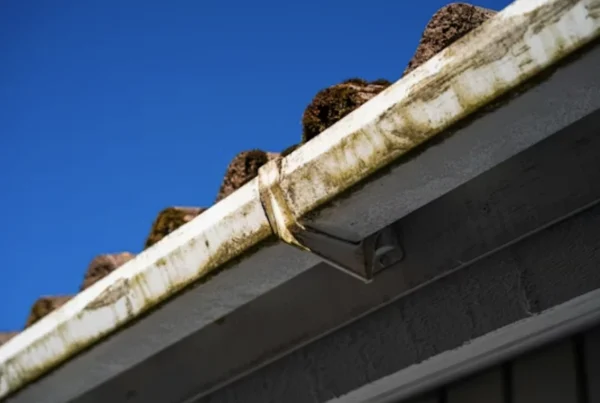
Picture this: you’re at home, and everything looks fine on the surface, but hidden moisture is lurking beneath the walls. Excess moisture not only creates the perfect environment for mold growth but also poses a serious risk by potentially turning your home into a secret electrical hazard. This issue isn’t just about keeping things dry; it’s about safeguarding your health and safety.
Mold seems like just an annoyance, but it can have significant impacts on indoor air quality and your health. On the flip side, moisture can lead to electrical failures that might threaten the safety of your entire house. It’s a less obvious connection than mold, but an equally important one nonetheless.
You might think these problems are uncommon, yet they occur more often than you realize. Spotting the signs early can protect your home and loved ones. By understanding the hidden dangers moisture can introduce, you’ll be better equipped to tackle them head-on.
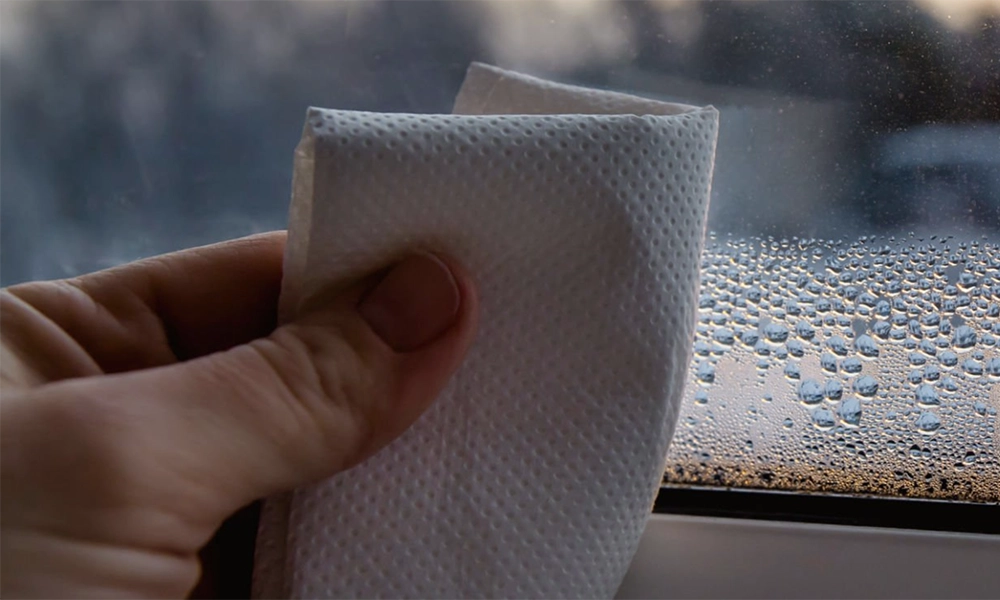
Understanding How Moisture Fuels Both Mold and Electrical Hazards
Moisture acts as a catalyst for mold growth and electrical risks. It’s crucial to recognize how this seemingly harmless element can create dangerous conditions.
Why Moisture Creates the Perfect Environment for Mold
Mold thrives in damp conditions, relying on moisture to settle and spread. When you have a buildup of humidity, you’ll likely see mold forming on various surfaces like walls, ceilings, and even furniture. Spores, which can be invisible to the naked eye, feed on organic materials that are abundant in homes. As these spores germinate, they release allergens and irritants into the air, which can impact health.
To prevent mold growth, controlling indoor moisture levels is critical. Use dehumidifiers and ensure proper ventilation in rooms where steam and water are commonly present, such as bathrooms and kitchens. Quick action goes a long way in keeping spaces dry and mold-free.
The Risky Relationship Between Water and Electricity
Water and electricity are a hazardous combination. When moisture enters electrical systems, it can lead to short circuits, electrical fires, and even electrocution. This risk is particularly high in areas like basements or attics, where wiring might be exposed to damp conditions. Unexpected water leaks or high humidity can also compromise electrical safety, posing serious threats to both home and personal safety.
To mitigate these dangers, ensure that all wiring and electrical installations are properly insulated. Regular inspections can help identify and remedy vulnerabilities before they lead to accidents. Being proactive in maintaining electrical systems can drastically reduce risks related to moisture.
Common Sources of Indoor Moisture
There are several common sources of indoor moisture that you should be aware of. Leaky roofs, broken pipes, and inadequate ventilation systems can all contribute. Cooking, bathing, and even breathing also add to humidity levels in enclosed spaces.
To tackle excessive indoor moisture, it’s advisable to fix leaks promptly and use exhaust fans in high-moisture areas. Pay attention to humidity indicators, and if necessary, invest in additional tools like moisture meters to monitor levels. By identifying and addressing the sources of moisture, you can create a healthier living environment.
Mold Growth: Health Impacts and Home Damage
Mold thrives in damp environments, presenting health challenges and structural issues for homeowners. Knowing the warning signs and understanding potential impacts can help you address these problems proactively.
How Mold Develops in Damp Spaces
Mold requires moisture to grow, making damp areas like basements, bathrooms, and attics prime environments. When water leaks occur, such as from a broken pipe or roof, mold spores latch onto these moist surfaces and begin to proliferate. Insufficient ventilation in these spaces exacerbates the situation by preventing moisture from drying out, fostering ideal conditions for mold.
Humidity levels above 60% create a breeding ground for mold. Regular maintenance tasks like checking for leaks and ensuring proper ventilation can help you keep mold at bay. If you suspect hidden mold, mold inspection and testing Franklin services can help identify issues early and prevent further damage.
Signs and Symptoms of Mold Infestation
Identifying mold early can save a lot of headaches down the line. Mold often appears as black, green, or even white patches on walls and ceilings. Musty odors are also a telltale sign of mold lurking behind your walls or in hidden spaces.
Peeling or bubbling paint might indicate moisture problems leading to mold. Pay attention to these signs in high-risk areas like bathrooms and basements. Noticing these early allows you to address the problem sooner, reducing potential harm to your home and health.
Potential Health Risks Caused by Mold
Mold isn’t just unsightly; it poses significant health risks. Exposure can lead to allergies, respiratory issues, and other symptoms like sneezing, coughing, and skin irritation. Those with weakened immune systems or pre-existing conditions may experience more severe reactions.
Long-term exposure to mold can exacerbate asthma or lead to chronic respiratory conditions. Understanding these risks highlights the importance of early intervention in managing mold in your home. Taking swift action can safeguard both your health and the structural integrity of your living space.
Electrical Hazards Resulting from Moisture Intrusion
Moisture intrusion poses significant electrical hazards by damaging wiring and outlets, increasing the risk of short circuits and fire dangers, and creating conditions that allow for easy recognition of these electrical threats. Not addressing these issues promptly can result in serious safety concerns.
How Water Damages Wiring and Outlets
When water seeps into your home, it can cause serious damage to electrical systems. Moisture can corrode metal components in wiring and outlets, leading to degradation over time. This corrosion affects the insulation of wires, making them brittle or cracked, which can expose conductive materials. Such exposure increases the risk of electrical shock or system failures.
Additionally, when outlets get wet, their functionality is severely compromised. Water can disrupt the normal operation of outlets, making them unsafe for use. It’s crucial to ensure that outlets are dry and that wiring is properly insulated to prevent these hazards from becoming significant safety issues in your home.
Short Circuits and Fire Dangers
Moisture intrusion is a frequent culprit behind short circuits, which occur when water contacts electrical conductors. This unplanned connection can create a surge of electricity, exceeding the system’s capacity, leading to sparks and even fires. Such fires can spread quickly, posing a danger to property and safety.
Faulty wiring, exacerbated by moisture, can ignite flammable materials nearby, increasing fire risks. Overloading circuits due to damp conditions is another concern since this can lead to overheating and ignition. Regular inspections of your home’s electrical system can help identify vulnerabilities.
Recognizing Electrical Problems Linked to Moisture
Recognizing the signs of moisture-related electrical issues is key to prevention. One common indicator is the presence of a musty smell near outlets, which could signal mold growth and underlying water damage. You might also notice flickering lights or frequent tripping of circuit breakers, hinting at potential moisture problems.
It’s also wise to keep an eye out for discoloration or water stains around electrical fixtures. These signs often suggest that water is present where it shouldn’t be. Addressing these issues promptly with a professional—such as a professional electrician in Brandon—can prevent more serious problems, ensuring both safety and peace of mind.
Preventing Moisture Problems and Ensuring Home Safety
Keeping your home safe from moisture involves a mix of active maintenance, professional help for tough issues, and strategic long-term planning. Smart actions, like regular inspections and quick responses, form the foundation for a safe, dry living space.
Smart Maintenance and Quick Fixes
Routine checks and quick fixes can prevent many moisture issues. Inspect your home’s exterior for cracks or gaps that allow water in, and seal them promptly with weatherproof materials. Indoors, monitor high-humidity areas like bathrooms and kitchens.
Use exhaust fans to improve airflow and regularly check plumbing for drips or leaks, as small issues can quickly grow. Simple fixes, such as tightening loose connections, can prevent larger problems. Staying proactive helps minimize moisture buildup and related risks.
Professional Solutions for Persistent Issues
For ongoing moisture problems, professional help is often necessary. Persistent leaks or visible water damage in walls or ceilings should be evaluated by a qualified contractor who can identify hidden issues.
If mold is present, a mold remediation specialist can ensure safe and thorough removal. Ignoring these concerns can lead to health risks and further damage. Scheduling regular professional inspections can help catch problems early.
Long-Term Steps for Mold and Electrical Safety
Long-term solutions play a key role in preventing mold and electrical hazards. Dehumidifiers help control moisture, especially in humid climates, while sump pumps and proper grading protect against basement flooding.
For electrical safety, ensure wiring in moisture-prone areas meets code requirements. Install GFCIs in bathrooms, kitchens, and outdoor spaces, and maintain electrical systems regularly. These steps help create a safer, more resilient home with fewer moisture-related risks.
Conclusion
Moisture issues can pose serious risks by encouraging mold growth and creating hidden electrical hazards. Left unchecked, these problems can impact both your health and home safety.
By identifying moisture early and taking proactive steps to control it, you can prevent costly damage and create a safer, healthier living environment.
- About the Author
- Latest Posts

Our Editorial Team are writers and experts in their field. Their views and opinions may not always be the views of Wellbeing Magazine. If you are under the direction of medical supervision please speak to your doctor or therapist before following the advice and recommendations in these articles.