
Seasonal Gutter Cleaning: A Homeowner’s Quick Guide
Gutters are often the most ignored part of a home until a heavy storm hits. They sit high up and do their job quietly by moving water away from your foundation
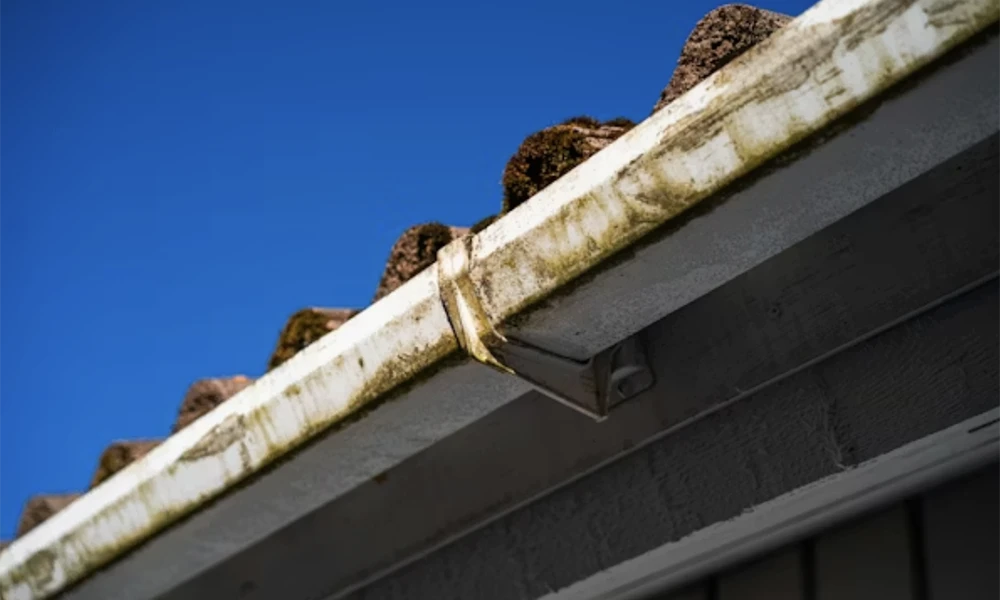
Gutters are often the most ignored part of a home until a heavy storm hits. They sit high up and do their job quietly by moving water away from your foundation. Neglecting them leads to expensive repairs that most homeowners want to avoid. Following a seasonal schedule makes the task feel much smaller. This guide covers how to manage your gutters throughout the year. Staying proactive keeps your roof healthy and your basement dry. You can protect your home with just a few hours of work every few months.
Understanding the Maintenance Cycle
Most property owners only think about gutters when they see water cascading over the edge. Waiting for a failure means damage is already happening to your siding or landscaping. A simple routine saves money over the long term. It prevents water from seeping into areas where it does not belong.
Gutters catch more than just rain. They collect asphalt granules from shingles, bird nests, and windblown trash. Regular checks mean you find these issues before they cause a blockage. A clear path is necessary for the system to work correctly.
The Importance of Spring Inspections
Spring brings a mix of heavy rain and debris from budding trees. A professional home inspection group mentions that gutters need a check at least 2 times every single year. This frequency catches problems after the harsh winter months. It is the best time to look for damage caused by snow and ice.
Melting snow often reveals cracks or loose brackets. Repairing these small issues in March or April prevents bigger headaches during summer thunderstorms. It is a smart way to start the home care season. You can fix most loose parts with a simple screwdriver.
Summer Cleaning and Storm Preparation
Summer heat can dry out debris, making it brittle and easier to remove. A recent post from a home inspection team suggests that cleaning at the end of summer helps set the stage for an organized fall. This step clears out anything that gathered during the warmer months. It keeps the system ready for the next wave of debris.
High winds from summer storms often toss small branches onto the roof. These items eventually slide down into the trough. Clearing them out now keeps the path open for the heavy leaf fall ahead. It is much easier to remove a few sticks than a whole dam of wet leaves.
Common Signs of Gutter Failure
Home maintenance involves many moving parts. If you notice leaks near your siding, contacting this residential roofing company might provide clarity. Professionals can spot issues that are hard to see from the ground. They have the experience to notice small cracks before they expand.
You might see water stains on the underside of your roof line. This often indicates that water is backing up under the shingles. Addressing this early protects the structural integrity of your home. It prevents wood rot and mold growth in your attic.
Preparing for the Fall Leaf Drop

Fall is the time when gutters face their biggest test. Thousands of leaves can fill a system in a single weekend. You may need to check the downspouts weekly during the peak of the season. Keeping up with the falling leaves prevents a massive cleanup later.
Clogged downspouts are the main cause of overflowing gutters. Use a hose to flush out the pipes and confirm that water exits at the bottom. If the water backs up, you have a clog that needs immediate attention. High pressure from a hose often clears the path quickly.
Useful Tools for Gutter Care
Having the right equipment makes the job faster and safer. You do not need expensive machinery to get the job done right. Most of these items are easy to find at a local shop.
- A tall, stable ladder with a standoff bracket
- Waterproof gloves to protect your hands from sharp metal
- A plastic scoop or an old kitchen spatula
- A high-pressure nozzle for your garden hose
Professional Help for High Roofs
Climbing a ladder is not for everyone. If your home has multiple stories, the risk of a fall increases significantly. Hiring a service is a common choice for many families. It takes the stress out of home maintenance.
Professionals have the gear to reach high spots safely. They can check the pitch of your gutters. If the troughs are not angled correctly, the water will sit still and breed mosquitoes. Correcting the slope is a task for someone with experience.
Maintaining your gutters is a fundamental part of being a homeowner. It is a simple task that prevents thousands of dollars in water damage. Either way, keeping the water flowing is the goal. Your home will stay stronger and drier for years to come. Routine care pays off every time it rains.