
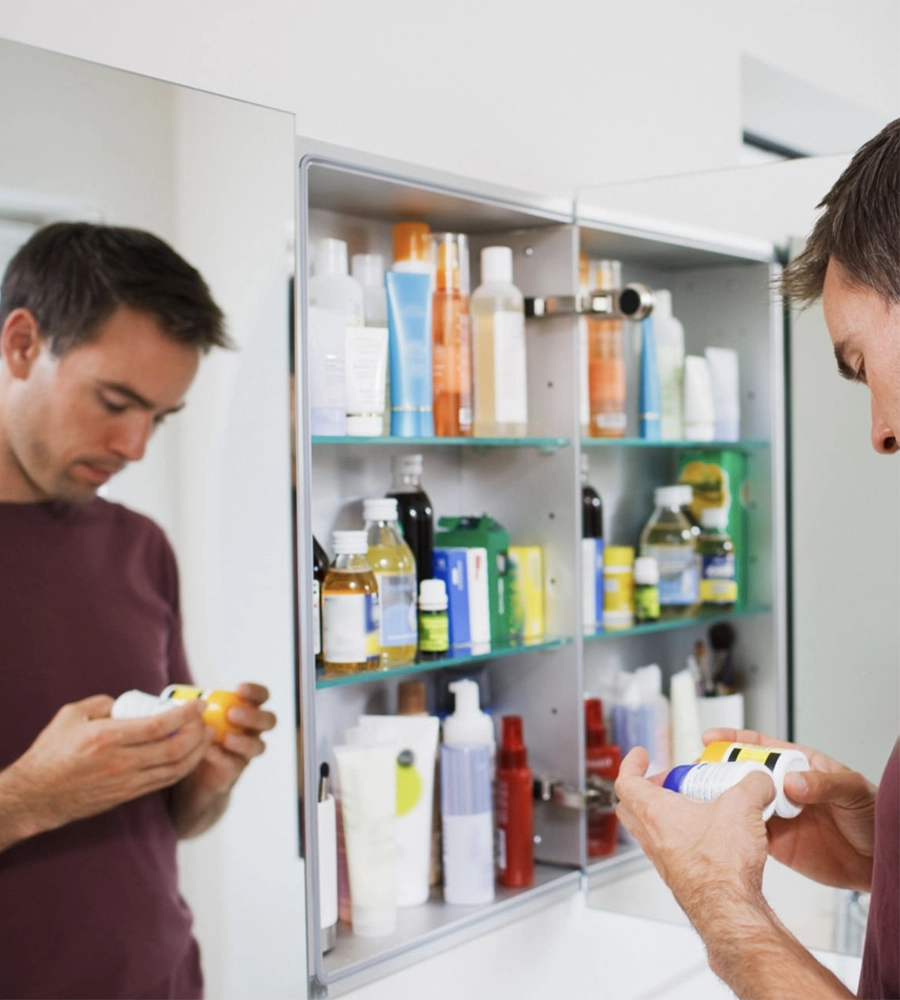
Looking after your health is about more than just reacting to illness. It’s about being prepared, proactive, and mindful of the little things that make a big difference to your overall wellbeing. One of the easiest ways to support your health at home is by having a well-stocked and thoughtfully curated medicine cabinet.
As a pharmacist, I often get asked what essentials are worth keeping at home and how to strike a balance between being prepared and not overcrowding your cupboard with unused products. Whether you’re caring for yourself, your children, or ageing parents, here’s my advice for building a medicine cabinet that truly supports your wellness throughout the year.
1. Pain Relief and Anti-Inflammatories
Over-the-counter pain relievers such as paracetamol and ibuprofen are staples for managing headaches, muscle aches, period pain, and fevers. Ibuprofen also offers anti-inflammatory benefits which can be useful for joint pain or minor injuries. If you have young children, it’s also worth keeping age-appropriate versions on hand.
Be sure to check expiry dates every few months and store medications in a cool, dry place, out of reach of children.
2. Digestive Health Support
From indigestion and heartburn to constipation or diarrhoea, digestive issues can pop up unexpectedly. Remedies like antacids, oral rehydration salts, and gentle laxatives or anti-diarrhoeals can help you manage symptoms quickly and prevent further discomfort or dehydration.
3. Seasonal Essentials
As seasons change, so do our health needs. During spring and summer, antihistamines can help with hay fever. In colder months, throat lozenges, cough syrups, and nasal sprays are useful to have on hand for colds and flu symptoms.
You may also want to include a vitamin D supplement during the winter, especially if you have limited sun exposure.
4. First Aid Basics
No medicine cabinet is complete without basic first aid items. Keep plasters, antiseptic cream, sterile dressings, tweezers, and a digital thermometer in an easy-to-reach place. These are essential for treating minor cuts, scrapes, or splinters quickly and hygienically.
5. Tailored Items for Your Household
Every household has different needs. If someone in your family has allergies, asthma, or a long-term health condition, make sure you have the appropriate treatments and equipment on hand, such as inhalers, antihistamines, or any prescribed medications.
It’s also a good idea to keep a note of important contacts, allergy information, and medication instructions nearby in case of emergencies.
Building a Thoughtful Approach to Health
Creating a balanced medicine cabinet isn’t about collecting products for every possible scenario. It’s about giving yourself the tools to manage everyday health concerns with confidence.
Final Tip: Make it a habit to review your medicine cabinet every six months. Safely dispose of anything expired and restock items that have been used. Your local pharmacy can advise on how to dispose of unused medicines properly.
With a little planning and regular upkeep, your medicine cabinet can play a simple but vital role in supporting your wellbeing throughout the year.
By Palvinder Deol, Superintendent Pharmacist at Happy Pharmacy