Walk into any supplement store right now and you’ll see walls of tubs promising muscle, energy, fat loss, focus, sometimes all at once. The industry keeps expanding, and supplements are increasingly popular even though many products vary widely in quality, ingredients, and labeling accuracy. That growth means more innovation, yes. It also means more noise.
In 2026, the smartest approach isn’t chasing every new formula. It’s sticking to science-backed, properly dosed, third-party tested products that match your actual training goals. Supplements should support your program, not distract from it.
Below is a practical, easy-to-follow breakdown by goal, with real-world reasoning behind each choice.
Top Supplement Picks for 2026 by Goal
Different goals demand different tools, and choosing based on purpose makes the entire supplement strategy far more effective.
1. Muscle Growth & Recovery (Bulking Phase)
This phase is all about giving your body the raw materials it needs to rebuild stronger after intense training. Calories tend to increase, workouts get heavier, and recovery becomes just as important as the lift itself.
- Whey Protein: Fast-digesting whey, either concentrate or isolate, remains one of the simplest and most effective tools for muscle repair. A 25–30g serving post-workout helps kickstart recovery without overcomplicating things.
- Creatine Monohydrate: Still the gold standard. No flashy upgrade has dethroned it. Five grams daily keeps muscle stores saturated, improving strength, power output, and long-term gains in size. It’s affordable, heavily researched, and reliable.
- Mass Gainers (For Hard Gainers): Some men genuinely struggle to eat enough calories. If you’re training hard but not gaining weight, a high-calorie shake can help bridge that gap. The key is using it strategically, not as a replacement for whole meals, but as an addition when food intake falls short.
Muscle gain isn’t about stacking five advanced formulas. Protein plus creatine handles most of the heavy lifting.
2. Performance & Energy (Pre-Workout Focus)
This category gets the most attention and the most hype. Instead of automatically reaching for the highest-stimulant formula, take a closer look at ingredient transparency and dosing logic. Use trusted resources like a pre workout supplements guide to understand which ingredients actually support strength, endurance, and focus, without relying on excessive caffeine.
Think of it like reading a nutrition label instead of believing the front-of-package claims. Look for clinically supported ingredients at effective doses, not just flashy proprietary blends.
When comparing formulas designed for male performance goals in 2026, you’ll notice that some platforms go beyond surface-level claims. In that search, Supplements.men stands out for breaking down balanced stimulant levels, effective pump ingredients, and label transparency in a way that feels grounded in real training experience. The emphasis stays on practicality, what actually performs under barbell sessions, long workouts, and real-world fatigue, rather than flashy marketing language that sounds good but doesn’t translate in the gym.
Look for:
- Citrulline Malate (6–8g) for improved blood flow and muscular “pump.”
- Beta-Alanine (around 3.2g daily) for endurance support
- Caffeine (150–300mg max), depending on tolerance
If you train in the evening, a stim-free pump formula may be a better choice. Good workouts shouldn’t cost you a full night of sleep.
Energy that enhances performance is useful. Energy that wrecks recovery is counterproductive.
3. Fat Loss & Definition (Cutting Phase)
Fat loss supplements don’t burn fat by magic. They assist a calorie-controlled diet and consistent training.
- L-Carnitine: Helps transport fatty acids into cells to be used for energy. It’s subtle but can support performance while dieting.
- Green Tea Extract or Mild Thermogenics: These can slightly increase metabolic output. The effect isn’t dramatic, but paired with training and nutrition, it adds up.
- Appetite Support (Glucomannan, Chromium Picolinate): When cutting, hunger becomes the real challenge. Ingredients that help manage cravings can improve adherence, and adherence drives results.
One important caution: be mindful of caffeine overlap. A pre-workout plus a fat burner can quickly push stimulant levels too high, leading to jitters, increased heart rate, or disrupted sleep. Fat loss works best when supplements support discipline rather than replace it.
4. General Health & Longevity Support
Performance declines when general health slips. This category doesn’t get social media attention, but it often has the biggest long-term impact.
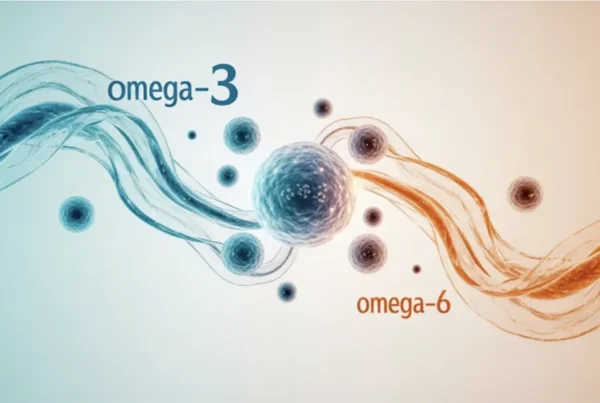
- Omega-3 Fish Oil: Supports joint health and reduces inflammation, especially helpful for men lifting heavy or training frequently.
- Vitamin D3 with K2: Important for bone strength, immune support, and muscle function. Indoor workers often run low without realizing it.
- Quality Multivitamin: Helps fill nutritional gaps, particularly during calorie-restricted phases.
According to research published by the National Institutes of Health, adequate protein and micronutrient intake play a significant role in muscle maintenance and overall performance. Supplements in this category act as insurance against inconsistency.
How to Choose the Right Supplements in 2026
- Define the Goal First: Stick to two to four core staples. For muscle gain, whey protein and creatine are usually enough. For performance, a pre-workout plus protein works well. During a cut, protein with light metabolic support keeps things simple.
- Verify Third-Party Testing: Look for certifications such as NSF Certified for Sport, Informed Choice, or USP Verified. These seals indicate that the product has been independently tested to confirm the ingredients match the label and that it’s free from harmful contaminants.
- Read Labels Carefully: Avoid proprietary blends that hide ingredient amounts. Check protein per scoop (aim for 25–30g), and verify caffeine levels match your tolerance. If the label doesn’t clearly state dosages, that’s a red flag.
- Consider Body Type & Lifestyle: Fast metabolisms may require extra calories. Slower metabolisms may benefit from leaner protein options and tighter carb control. Your training schedule matters too. Evening lifters should avoid high-stim products. High-stress professionals may need moderate caffeine instead of aggressive formulas.
- Timing Still Counts: Whey protein is best taken shortly before or after training to support muscle repair. Creatine works through daily saturation, so consistency matters more than exact timing. Pre-workout formulas are typically most effective about 20–30 minutes before you start exercising. Small timing adjustments like these can enhance results without making your routine complicated.
Final Thoughts
Supplements are tools. Not shortcuts. Moderate protein intake, around 25–30g per serving, is generally safe for healthy individuals. Still, anyone with pre-existing medical conditions should consult a healthcare professional before starting new products.
Avoid stacking high-stimulant formulas. Pay attention to sleep quality. Monitor how your body responds.
The best supplement plan in 2026 is focused, evidence-based, and sustainable. Because when diet, training, and recovery are solid, supplements become performance enhancers, not crutches.