
Improving your fitness does not have to mean spending hours at a gym or running marathons. Most people find that small, consistent changes lead to the best long-term results for their health and energy levels. Starting today with a simple plan can help you feel better and gain more confidence in your physical abilities.
Start With Short Daily Walks
Walking is one of the easiest ways to move your body without needing special equipment or a membership. You can fit it into your day by taking the stairs or parking further away from your destination. One government report found that 110,000 deaths could be prevented each year if adults added just 10 minutes of activity to their day.
Starting with a ten-minute stroll around your neighborhood helps build a baseline of movement. You can gradually increase this time as your legs and lungs get used to the effort. Consistency matters far more than how fast you go during these early stages of your journey.
Find Outdoor Activities You Enjoy
Getting outside provides a mental boost that indoor workouts sometimes lack. Fresh air and sunlight can make the physical effort feel less like a chore and more like a hobby. Experts have found that people who exercise outdoors often report feeling more enthusiasm and pleasure during their workouts.
You might try hiking on local trails or visiting a nearby park for a light jog. Whether it’s Chicago Cardio Classes or another program that gets you moving, finding an environment that makes you happy is a great strategy. Joining a group can also keep you accountable while you explore new areas of your city.
Focus on Simple Bodyweight Moves
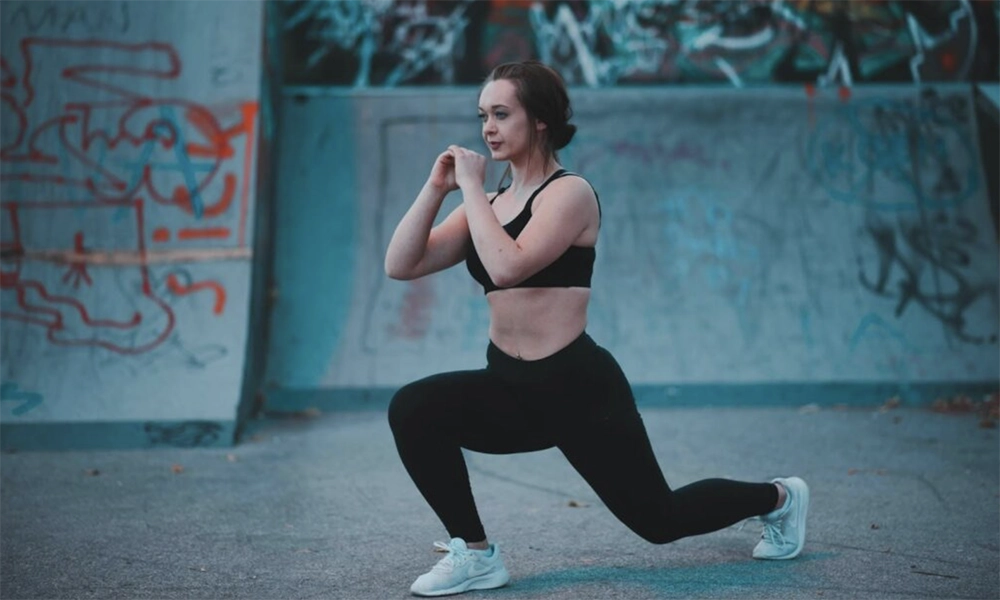
You do not need heavy weights to build strength when you are just getting started. Your own body provides enough resistance to challenge your muscles and improve your balance. Basic movements like squats, lunges, and wall push-ups are effective ways to tone your body at home.
- Squats help strengthen your legs and core for daily tasks.
- Lunges improve your balance and hip flexibility.
- Planks build endurance in your midsection without straining your back.
- Glute bridges target your lower body and help with posture.
Try doing five repetitions of each move while you wait for your coffee to brew or during television commercials. These tiny bursts of strength training add up over a week. You will likely notice that tasks like carrying groceries or climbing stairs become easier quite quickly.
Make Movement a Social Event
Working out with a friend can turn a workout into a fun social hangout. It is much harder to skip a session when you know someone is waiting for you at the park. You can chat while you move, which helps the time pass quickly and keeps your heart rate at a steady level.
If you prefer group settings, look for local clubs or casual sports leagues in your community. Many neighborhoods have walking groups or beginner yoga classes held in community centers. Being around other people who are also working on their fitness creates a supportive atmosphere that makes you want to return.
Set Small Achievable Goals
Big goals can feel overwhelming and lead to frustration if results do not happen overnight. Instead of aiming to lose a specific amount of weight, try aiming for three walks a week. Celebrating these small wins keeps your motivation high and helps you stay on track.
Write your goals down on a calendar or keep them in a note on your phone. Checking off a completed workout provides a sense of accomplishment that fuels your next session. You can adjust these goals as you get stronger and find out what your body is capable of doing.
Stay Hydrated and Eat Well
What you put into your body supports the work you do during your exercise sessions. Drinking enough water keeps your energy levels stable and helps your muscles function properly. You do not need a perfect diet to see improvements, but choosing whole foods can provide better fuel.
- Carry a reusable water bottle to sip on throughout the day.
- Choose fruits or nuts for snacks to keep your energy steady.
- Eat a balance of protein and carbs after a harder workout.
- Pay attention to how different foods make you feel during movement.
Small changes in your kitchen habits often lead to better performance during your workouts. You might find that you have more stamina when you eat a light meal an hour before you move. Proper hydration also prevents the cramps and headaches that sometimes discourage beginners.
Beginning a fitness journey is about showing up for yourself in small ways every single day. You do not need to be an athlete to enjoy the perks of a more active lifestyle and better health. By picking activities you enjoy and staying consistent, you will build a stronger and more energetic version of yourself.