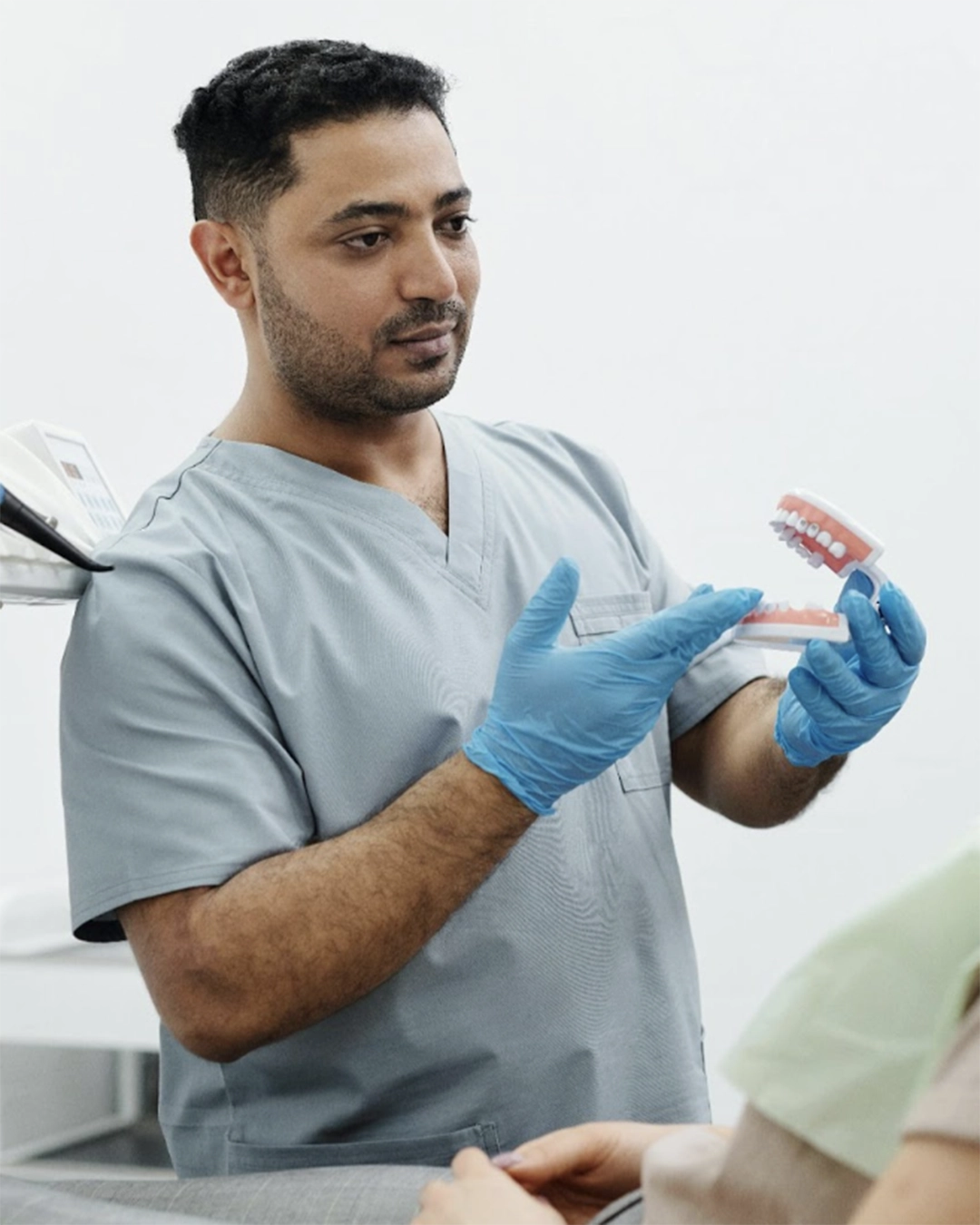

Preparing for a dental implant procedure in Temecula requires careful consideration of several key factors. First, you need to select a qualified dental professional by examining their credentials and experience. Understanding the implant process, including the role of osseointegration, is pivotal. You’ll also need to share your complete medical history and undergo necessary pre-surgical exams. By following these initial steps, you set the foundation for a successful procedure, guiding you toward the next essential preparations.
Selecting the Right Dental Professional
When selecting the right dental professional for a dental implant procedure, it’s pivotal to ponder qualifications and experience to guarantee ideal outcomes. You should prioritize choosing a qualified provider by meticulously scrutinizing credentials. Verify the dentist’s certifications, ensuring they have completed accredited implantology programs and possess relevant board certifications. Their experience matters; inquire about the number of procedures they’ve successfully performed. Reviewing case studies and patient testimonials can offer insight into their proficiency.
If you’re seeking a dental implant specialist in Temecula, look for a provider who combines advanced training with a strong track record in implant placement and restoration. Additionally, consider their association with recognized dental organizations, as these affiliations often indicate a commitment to ongoing education and adherence to industry standards. A thorough evaluation of the professional’s qualifications and experience will assure you of their capability to handle your dental implant procedure with precision and care.
Understanding the Dental Implant Process
Although undertaking a dental implant journey may seem formidable, understanding the process can alleviate concerns and prepare you for what lies ahead. Initially, comprehending dental anatomy is pivotal. The implant integrates with your jawbone, mimicking a natural tooth root, which requires a solid grasp of your oral structure. This integration, known as osseointegration, solidifies the implant’s stability and functionality. Evaluating implant options is the next step, as not all implants suit every patient. Choices vary based on bone density, health conditions, and anatomical considerations. Titanium and zirconia are common materials, each offering distinct benefits. By understanding these elements, you’ll better appreciate the intricacies of the procedure and make informed decisions tailored to your unique dental anatomy and needs.
Scheduling a Comprehensive Consultation
Having grasped the fundamentals of the dental implant process, the next logical step is scheduling a thorough consultation. Precise appointment timing is indispensable for coordinating visit logistics effectively. Start by contacting your chosen dental clinic in Temecula, providing them with your availability to guarantee optimal scheduling. Be prepared to discuss potential dates and times that fit both your and the clinic’s schedules. This consultation will serve as an opportunity for the dentist to evaluate your oral health and establish a personalized treatment plan. Additionally, inquire about the duration of the consultation, parking facilities, and any necessary documentation. By efficiently coordinating these logistics, you’ll ensure a seamless experience, setting a solid foundation for your upcoming dental implant procedure.
Discussing Your Medical History
Before proceeding with any dental implant procedure, it is crucial to engage in a thorough discussion of your medical history. This step guarantees your safety and the success of the implant. When meeting with your dental professional, focus on:
- Discussing current medications: Provide a complete list, including dosages, to identify any potential interactions or impacts on healing.
- Reviewing past dental work: Share details about previous procedures or complications to guide treatment planning.
- Chronic conditions: Inform your dentist about any ongoing health issues that may affect anesthesia or recovery.
- Allergies: Mention any known allergies, particularly to medications or materials used in dental work.
- Lifestyle factors: Discuss habits like smoking or alcohol use that might influence the procedure or healing process.
A detailed medical history ensures excellent care.
Preparing for Pre-Surgery Examinations
Prior to commencing the dental implant procedure, undergoing a series of pre-surgery examinations is necessary to guarantee ideal outcomes. These assessments typically involve pre-surgical imaging, such as X-rays or CT scans, which provide detailed views of your oral structures. This imaging allows your dental professional to evaluate bone density and identify the optimum implant site. Confirming you’re in good oral health is pivotal, so adhere strictly to oral hygiene recommendations. This might include routine brushing, flossing, and possibly using an antibacterial mouthwash to reduce bacterial presence. Your dentist might also suggest professional cleaning before the procedure to eliminate plaque buildup. It is critical to follow these guidelines meticulously to enhance healing and ensure the implant integrates successfully with your jawbone.
Reviewing Financial and Insurance Options
When considering dental implants, it’s crucial to thoroughly review your financial and insurance options to confirm the procedure is affordable and within your budget. Start by evaluating various payment plans offered by dental clinics. This step guarantees flexibility in managing expenses. Conduct cost comparisons among different providers in Temecula, focusing on service quality and price. Don’t forget to verify your insurance coverage to determine what’s included for dental implant procedures.
Use the following checklist for a thorough assessment:
- Research various payment plans available with dental clinics.
- Perform cost comparisons between different providers.
- Consult with your insurance company for clarification on coverage.
- Explore third-party financing options if necessary.
- Inquire about discounts for upfront payments or multiple implants.
Planning for the Day of Surgery
On the day of your dental implant surgery, adhering to pre-surgery dietary guidelines is critical to guarantee ideal conditions for anesthesia and recovery. It’s also essential to arrange reliable transportation, as post-operative effects may impair your ability to drive safely. Wearing comfortable clothing will facilitate ease of movement and help reduce any postoperative discomfort.
Pre-Surgery Dietary Guidelines
As you prepare for your dental implant procedure, it is pivotal to follow specific pre-surgery dietary guidelines to guarantee favorable conditions for both the surgery and recovery. Adhering to these guidelines will help minimize complications and ensure a smoother recovery process. Prioritize these essential dietary steps:
- Avoid hard foods: They can cause undue stress on your teeth and gums, complicating the surgical area.
- Drink plenty of fluids: Stay hydrated with water or clear liquids to maintain ideal body function.
- Consume soft foods: Prior to surgery, focus on easily digestible meals like yogurt or applesauce.
- Refrain from alcohol: Alcohol can interfere with anesthesia and healing processes.
- Stop eating 8 hours before surgery: This is critical for safe anesthesia administration.
Transportation Arrangements Needed
Preparing for your dental implant procedure involves more than dietary considerations; arranging reliable transportation is equally important. Given the effects of anesthesia and potential sedation, you won’t be able to drive yourself home. Consequently, obtaining transportation is a critical step in your pre-surgery planning. It’s advisable to arrange for a ride well in advance to guarantee punctuality and minimize stress on the day of your surgery. Consider asking a trusted friend or family member who can accommodate any schedule adjustments. Alternatively, hiring a professional transportation service can provide an added layer of reliability. Confirm all details, including pickup and drop-off times, the day before your procedure. This preparation guarantees a smooth, safe shift from the clinic to your recovery space.
Comfortable Clothing Choices
Selecting appropriate attire for your dental implant procedure is crucial for guaranteeing comfort and practicality. Opt for cozy fabrics and breathable materials to facilitate ease of movement and maintain your comfort throughout the process. Here’s what to ponder:
- Loose-fitting tops: Choose a shirt that allows for easy access to your arm if an IV is necessary.
- Comfortable pants: Elastic waistbands are ideal to evade any pressure on your abdomen.
- Slip-on shoes: Ensure you can easily put on and take off your footwear without bending or exertion.
- Layers: Bring a lightweight sweater or jacket, as clinics can vary in temperature.
- Avoid jewelry: Refrain from wearing unnecessary accessories that might interfere with the procedure or cause discomfort.
These choices will help ensure a smooth, stress-free experience.
Post-Surgery Care Instructions
After your dental implant surgery, proper post-operative care is vital for ideal recovery. You’ll need to manage pain effectively using prescribed medications and adhere to recommended dietary adjustments to guarantee healing. Avoid hard or chewy foods, opting instead for soft, nutrient-rich options to sustain your recovery process.
Managing Pain Effectively
How can you effectively manage pain following a dental implant procedure? Proper post-operative care is essential. Begin by managing medication dosages as prescribed by your oral surgeon to guarantee optimal pain relief and prevent complications. Monitoring and controlling swelling and inflammation are critical in reducing discomfort and promoting healing.
- Adhere to prescribed medication schedules: This guarantees effective pain management without overuse.
- Apply ice packs: Use intermittently for the first 24-48 hours to reduce swelling.
- Elevate your head: While resting, keep your head elevated to minimize swelling.
- Avoid strenuous activities: This prevents exacerbating pain and swelling.
- Follow oral hygiene instructions: This reduces the risk of infection, which can increase pain.
Consistent, careful adherence to these guidelines will facilitate smoother recovery.
Dietary Adjustments Needed
In addition to managing pain and swelling effectively, modifying your diet is paramount for a successful recovery after a dental implant procedure. Adhering to temporary dietary restrictions is essential to prevent complications and promote healing. Initially, it’s advisable to consume only soft foods, as they minimize stress on the implant site. Soft food recommendations include yogurt, mashed potatoes, applesauce, and smoothies, all of which require minimal chewing. Avoid hard, crunchy, or sticky foods, as they may disrupt the healing process or dislodge the implant. Also, steer clear of hot or spicy foods that might irritate the surgical area. Maintain hydration with water or clear broths, avoiding carbonated or alcoholic beverages. Following these dietary guidelines guarantees optimal recovery and implant success.
Managing Discomfort and Pain
Managing discomfort and pain following a dental implant procedure can greatly impact recovery. To guarantee optimal healing, you should focus on managing post procedure swelling and bruising effectively.
- Cold compresses: Apply intermittently for the first 48 hours to reduce swelling and bruising.
- Medication adherence: Take prescribed analgesics and anti-inflammatory drugs as directed by your dentist.
- Elevated positioning: Keep your head elevated, especially when lying down, to minimize swelling.
- Soft diet: Consume soft foods to avoid unnecessary pressure on the implant site.
- Oral hygiene: Gently rinse with a saltwater solution to maintain cleanliness without disturbing the healing tissue.
Monitoring Your Recovery Progress
While recovery timelines can vary, closely monitoring your progress after a dental implant procedure is essential for successful healing. Begin by tracking your recovery timeline as outlined by your dental professional. Regularly assess the surgical site for signs of proper healing, including reduced swelling and absence of infection symptoms. Observing healing progress guarantees any deviations from expected recovery are promptly addressed.
Maintain a detailed log of your daily healing status, noting any discomfort or abnormalities. This documentation aids in communicating with your dentist during follow-up visits. Pay attention to any changes in pain levels or oral function, as these could indicate complications. Adhere to post-operative care instructions rigorously to support ideal recovery. Always consult your dentist if unsure about your healing trajectory.