We often talk about how resilient children are, bouncing back from scrapes and disappointments with a shrug and a biscuit. But children are also incredibly porous little beings; they soak up the atmosphere of a room the moment they walk in, absorbing the moods and unspoken worries of the people around them. It is a beautiful trait, really, this capacity for deep empathy, yet it comes with a hidden cost. Sometimes, they absorb things that are too heavy for their small shoulders to carry, leading to what professionals call secondary traumatic stress (STS).
It Doesn’t Always Look Like Trauma
It sounds like a very serious, clinical term, but in reality, it often looks quite ordinary at first glance. It happens when a child hears about a frightening event or witnesses the distress of someone they love, and they start to exhibit signs of trauma themselves, even though the bad thing didn’t happen to them directly. You might see this in a child whose best friend is going through a messy divorce, or perhaps they have overheard snippets of the news that were a bit too graphic.
Recognising it can be tricky since it often disguises itself as misbehaviour. A usually sunny child might suddenly become irritable, snappy, or unusually clingy. You might notice regression, which is always baffling for parents, because suddenly, a child who has been dry at night for years is wetting the bed, or they are asking for a nightlight again because the dark has become terrifying. They aren’t trying to be difficult; their internal alarm system has just been tripped by someone else’s emergency.
The Impact on Family Dynamics
This is a dynamic that families need to be particularly aware of if they choose to expand their circle. For example, when a family decides to become a foster carer with an agency like ISP Fostering, the birth children in the home are often exposed to the difficult backstories and emotional outbursts of their new foster siblings. It is a huge adjustment. They see the pain up close, and because they care, they might start to mirror that anxiety or act out in confusion. It isn’t just about the direct exposure, but the ripple effect of empathy that washes over the whole household.
Talk It Out (Without Over-Talking)
So, how do you manage something that feels so intangible?
The instinct might be to shut down the conversation to “protect” them, but silence can actually make the monsters in their heads grow bigger. Instead, it helps to create a space where questions are okay. You don’t need to give them all the gritty details, of course, but validating their feelings is key. Saying something like, “It is really sad that your friend is hurting, and it makes sense that you feel worried too,” can lift a huge weight. It tells them they aren’t crazy for feeling this way.
Routine and Play as Medicine
Routine is another quiet hero here. When the world feels chaotic and unsafe, even if that chaos is second-hand, predictability is a soothing balm. Knowing that dinner is at six, bath is at seven, and stories are at seven-thirty provides a scaffolding of safety that helps their nervous system settle down.
The Storm Usually Passes
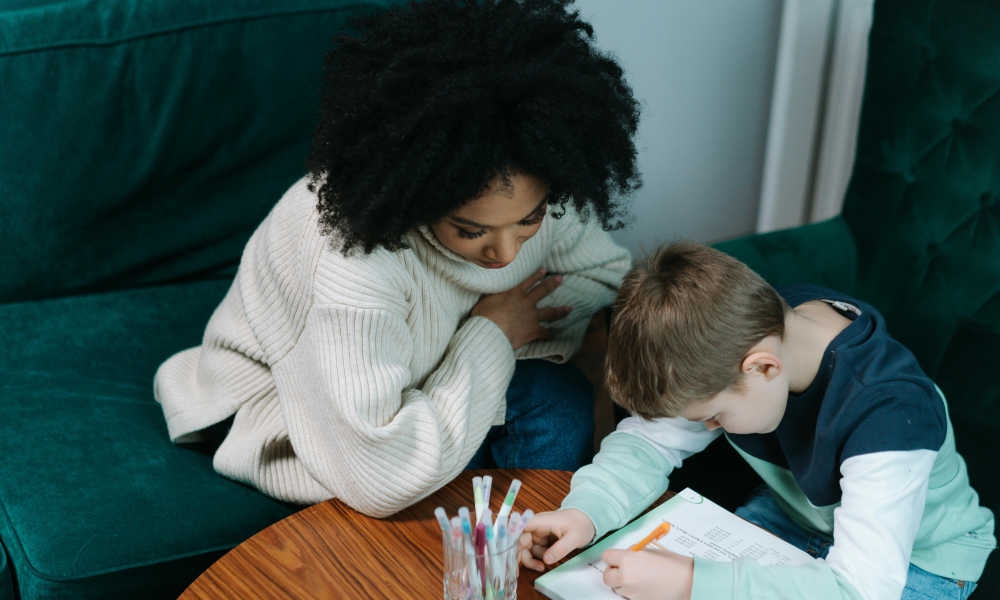
Don’t underestimate the power of play. Children don’t process things sitting on a sofa discussing their feelings like adults do; they work it out with Lego, dolls, and drawing. If they are smashing cars together or drawing dark pictures, that is often just the brain’s way of filing away the stress. It’s a process, and with a bit of patience and a lot of reassurance, the storm usually passes.