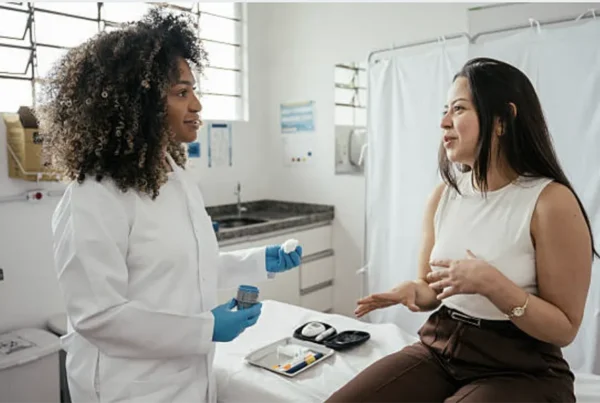
Adolescent gynecomastia affects countless young men during their developmental years, often causing significant emotional distress and self-consciousness. This condition, characterized by enlarged breast tissue in males, is more common than many realize and can profoundly impact a teenager’s quality of life.
To better understand this condition and the available treatment options, we sat down with the experts at the San Antonio Gynecomastia Center, a leading facility specializing in male breast reduction procedures for patients of all ages.

About the San Antonio Gynecomastia Center
The San Antonio Gynecomastia Center is a specialized medical practice dedicated to treating gynecomastia in men and adolescents. With years of focused experience in male breast reduction surgery, the center has established itself as a trusted resource for patients seeking expert care in a comfortable, understanding environment.
Their team combines advanced surgical techniques with a compassionate approach, recognizing the sensitive nature of this condition and its impact on young patients’ mental and emotional well-being. The center offers comprehensive consultations, personalized treatment plans, and ongoing support throughout the entire treatment journey.
We spoke with their experts to answer the most common questions families have about adolescent gynecomastia.
Q&A: Adolescent Gynecomastia
Let’s now dive into some of the questions and answers to better educate those interested in learning more about male breast reduction.
Q: What exactly is adolescent gynecomastia and how common is it?
Adolescent gynecomastia is the development of excess breast tissue in teenage boys, which typically occurs during puberty. It’s surprisingly common, affecting approximately 50-60% of adolescent males at some point during their development.
The condition results from hormonal fluctuations during puberty, when testosterone and estrogen levels are adjusting. While many people assume it’s rare, it’s actually one of the most frequent concerns we see in our practice.
The condition can affect one or both breasts and varies significantly in severity from mild tissue enlargement to more pronounced breast development that resembles female breast tissue.
Q: At what age does adolescent gynecomastia typically develop?
Adolescent gynecomastia most commonly develops between ages 12 and 16, with peak incidence around ages 13-14 when puberty is in full swing. However, we occasionally see cases in boys as young as 10 or as old as 18.
The timing correlates directly with pubertal development rather than a specific chronological age, as hormonal changes occur at different rates for different individuals. Some boys experience early-onset gynecomastia that appears at the first signs of puberty, while others develop the condition later in their teenage years.
Understanding this timeline helps parents recognize that the condition is a normal, albeit distressing, part of adolescent development.
Q: What causes gynecomastia to develop in teenage boys?
The primary cause is hormonal imbalance during puberty. Teenage boys produce both testosterone and small amounts of estrogen, and when this ratio becomes unbalanced (either from elevated estrogen or relatively lower testosterone), breast tissue can develop.
This is a natural part of puberty for many boys and doesn’t indicate any underlying health problem. However, other factors can contribute, including certain medications, marijuana use, anabolic steroids, obesity, rare hormonal disorders, or underlying medical conditions.
In most cases, adolescent gynecomastia is physiologic, meaning it’s a normal response to puberty’s hormonal changes with no identifiable underlying cause beyond natural development.
Q: How can parents tell if their son has gynecomastia versus just being overweight?
This is an excellent question because the distinction is important. Gynecomastia involves firm, rubbery tissue directly beneath the nipple area, whereas excess weight creates soft, fatty tissue distributed more evenly across the chest.
To differentiate, gently pinch the tissue behind the nipple. If there’s a firm, disc-like mass of tissue, that’s likely glandular gynecomastia tissue. Pseudogynecomastia refers to chest enlargement from fat alone without glandular tissue.
Many adolescents have a combination of both glandular tissue and excess fat. A proper examination by a qualified physician can definitively diagnose the condition and determine whether glandular tissue, fat, or both are present.
Q: Does adolescent gynecomastia resolve on its own, or does it require treatment?
Many cases of adolescent gynecomastia do resolve spontaneously as hormones stabilize. Studies show that approximately 75-90% of cases improve significantly or resolve completely within two to three years of onset.
However, persistence beyond two years suggests the condition is less likely to resolve without intervention. We typically recommend a watchful waiting approach for the first 18-24 months unless the condition is causing severe psychological distress.
If gynecomastia persists beyond this window or significantly impacts a teenager’s quality of life, surgical treatment may be appropriate. Each case is evaluated individually based on the severity of the condition, duration, and the patient’s emotional well-being.
Q: What is the psychological impact of gynecomastia on teenage boys?
The psychological impact can be profound and shouldn’t be underestimated. Adolescence is already a challenging time for self-image and confidence, and gynecomastia can significantly amplify these struggles.
Many affected teenagers avoid activities like swimming, going to the beach, or changing in locker rooms. They may wear baggy clothing to hide their chest, slouch to minimize attention, or withdraw from social situations altogether.
Depression, anxiety, and low self-esteem are common among adolescents with gynecomastia. Some experience bullying or teasing from peers, which can lead to long-lasting emotional effects. Addressing the psychological impact is just as important as treating the physical condition itself.
Q: When is surgery recommended for adolescent gynecomastia?
Surgery is typically considered when gynecomastia has persisted for at least two years without improvement, when it causes significant psychological distress, or when the patient is near the completion of puberty. We generally prefer to wait until a teenager is at least 16-18 years old to ensure physical development is mostly complete.
However, exceptions can be made for severe cases causing debilitating emotional distress. The decision involves careful evaluation of physical maturity, emotional readiness, realistic expectations, and family support.
We also assess whether the teen is committed to maintaining results through healthy lifestyle choices. A thorough consultation helps determine the optimal timing for each individual patient.
Q: What does gynecomastia surgery involve for adolescent patients?
Adolescent gynecomastia surgery typically involves liposuction to remove excess fat and surgical excision to remove glandular tissue. The procedure is usually performed under general anesthesia as an outpatient surgery, meaning patients go home the same day.
Small incisions are strategically placed to minimize visible scarring, often around the areola border. The specific technique depends on the amount of tissue present and the degree of skin laxity.
Surgery typically takes 1-2 hours, and most patients experience manageable discomfort controlled with prescribed medication. We prioritize minimal scarring and natural-looking results that allow adolescents to feel confident in their appearance.
Q: What is recovery like for teenage patients after gynecomastia surgery?
Recovery is generally straightforward for healthy adolescent patients. Most teens experience swelling and bruising for the first week or two, with discomfort managed through pain medication.
Patients wear a compression garment for several weeks to support healing and minimize swelling. Most teenagers return to school within 3-7 days, though they should avoid strenuous activity and heavy lifting for about 4-6 weeks.
Sports and intense physical activity can typically resume after clearance from the surgeon, usually around 6 weeks post-surgery. Final results become apparent once swelling fully subsides, typically within 3-6 months. The recovery process requires patience, but most teens find the results well worth the temporary limitations.
Q: What advice do you have for parents whose sons are struggling with gynecomastia?
First, acknowledge your son’s feelings and take his concerns seriously. What might seem minor to adults can feel devastating to a teenager dealing with body image issues during this vulnerable developmental period.
Encourage open communication and create a supportive environment where he feels comfortable discussing his concerns. Schedule a consultation with a qualified specialist who can provide accurate information and discuss all available options.
Avoid dismissive comments like “it’s just a phase” or “you’ll grow out of it,” even if these statements may be medically accurate. Support your son’s emotional well-being through this challenging time, whether that involves watchful waiting, counseling, or eventually pursuing surgical treatment when appropriate.
Moving Forward
Adolescent gynecomastia, while common, can significantly impact a young man’s confidence and quality of life during critical developmental years. Understanding the condition, its causes, and available treatment options empowers families to make informed decisions about care.
The experts at San Antonio Gynecomastia Center emphasize that every case is unique and deserves individualized attention and compassion. Whether the condition resolves naturally or requires surgical intervention, addressing both the physical and emotional aspects of gynecomastia is essential for optimal outcomes.
If you or your son is experiencing gynecomastia, consulting with a specialized center can provide the guidance, support, and treatment options needed to restore confidence and well-being.