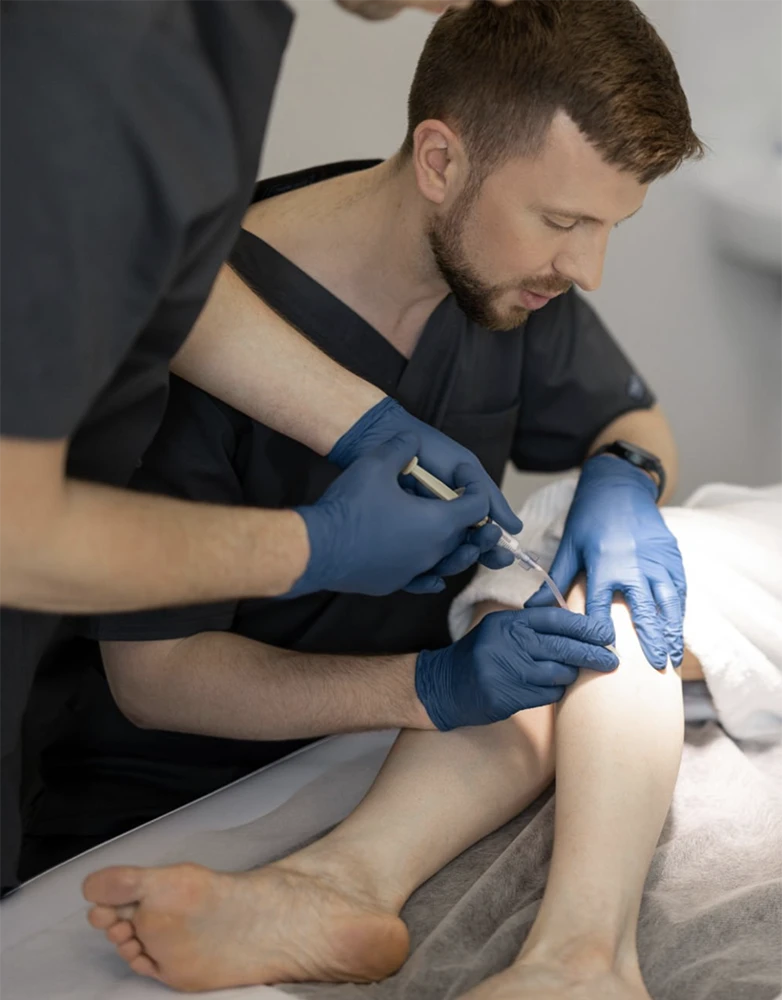
Wellness has ceased to be just a single habit or treatment today. It is a continuous set of tradeoffs between how we live, how we move, and how we take care of our bodies when professional intervention is part of the picture. One aspect of health where this matters particularly is the health of our veins. Even when factors like lifestyle are important in circulation and vascular health, the advancements that modern vein treatments offer have become necessary in cases where those conditions are not manageable through problem-free living alone.
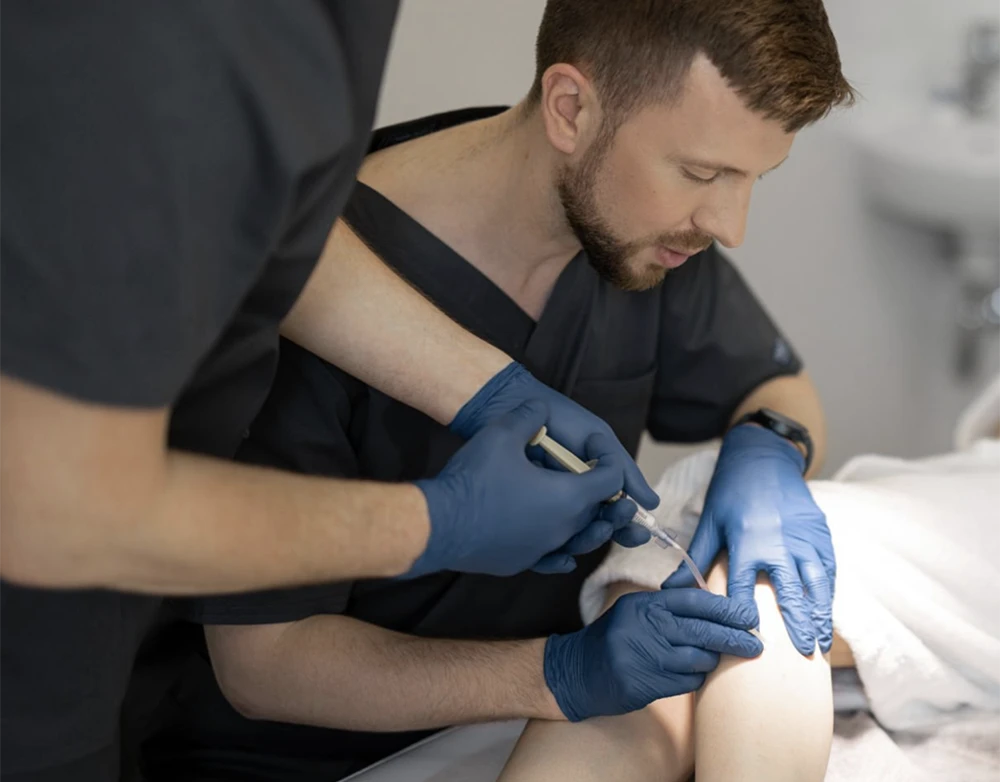
When lifestyle wellness is aligned with science-based vein care, an integrated health model is achieved for a comprehensive approach to good health. Instead of it being the end of the road, many now see medical intervention as a helping hand to a longer and healthier life.
Knowing how to care for your veins in the context of whole-body health
Veins return blood to the heart, which must be pumped against gravity, especially in the legs. When valves in the veins fail or circulation is sluggish, blood can pool and cause symptoms including heaviness, swelling, aching, visible veins and fatigue. These then begin to impact not just physical ease, but emotional health and the actual day-to-day level of activity.
From a health standpoint, the veins speak to how well you support your body through movement, nourishment, hydration and recovery. Bad circulation is associated with long periods of sitting, inactivity, chronic stress and/or inflammation. Tackling these areas as a whole can help to take the strain off of the venous system and bring more life back to your body.
Living Practices For Good Circulation
Circulation depends on daily habits. Keep on the move Regular exercise is a great way to keep your veins healthy. Walking, light stretching, yoga and low-impact exercise all engage the calf muscles — a natural pump that assists with moving blood upward through the veins.
Diet is another factor as well. A dietary rich in fiber, antioxidants and anti-inflammatory foods all support a healthy vasculature and optimum blood flow. Proper hydration is important so that your blood does not get too thick, and having the right amount of sodium helps to decrease fluid retention which causes leg swelling.
Quality sleep and managing stress are two factors often missed when it comes to circulatory health. Chronic stress can interfere with blood flow and promote inflammation, while poor sleep disrupts the body’s repair and regulatory processes. Quiet but mighty, mindfulness practices, relaxation exercises and a regular sleep routine are all positive contributors to vein health.
The Failure of Lifestyle-Only Approaches
Although lifestyle wellness does offer support where needed, it has limited usefulness in the setting of structural vein damage. When the vein valves have failed or the veins are too engorged, and effective enlarging can no longer be expelled by natural means so that the condition cannot heal itself. Here is where a lot of people get lost in the shuffle, especially those like me who have strong beliefs in holistic health and choose to wait to seek out medical opinions.
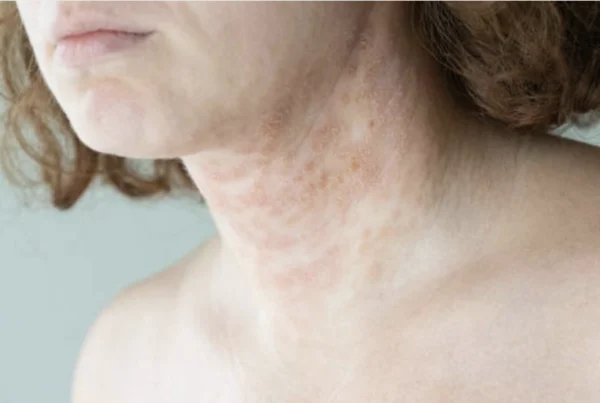
Failure to address symptoms of vein disease can allow vein disease to advance and result in skin changes, lasting swelling, or even painful complications. The realization that medical treatment can complement wellness practices instead of competing with them is central to optimal health decision-making.
The Evolution of Modern Vein Treatments
The new vein treatments are much more advanced than those which allowed patients to lose time at work and their activities in the past. Previously a topic for traumatic procedures and painful recovery, earlobe repair can be safe, simple, and nearly painless.
The actual cause of venous dysfunction can be precisely located with the help of sophisticated diagnostic imaging, which vein specialists use. Treatments are customized to so that only the unhealthy veins are treated and healthy veins naturally assume the body’s normal circulation. Optimally, the patient can return to normal activities the next day aside from receiving appropriate wound care.
This transition has made vein treatment more accessible and provided greater compatibility with active, health-conscious lifestyles.
Why Integration Trumps Picking Sides
The best path to vein health shouldn’t make you choose wellness over medicine. Instead, it integrates both. Lifestyle measures alleviate symptoms, promote healing and prevent future breaking down of the skin as medical therapies address the underlying venous problems which can’t be fixed by lifestyle modification alone.
Post-treatment, we continue to focus on movement, nutrition, circulation-friendly habit-forming and other protocols that help maintain results and good overall health. This comprehensive model changes vein care from a one-off treatment into an aspect of the continuum of health.
Individualized Care as the Key to Success
Everyone’s vein health story is unique. The development and progression of vein conditions are due to a combination of various factors, including age, genetics, activity level, what you do for work, and your general state of health. This makes personalized evaluation essential.
When considering care, patients can rest assured in visiting a reputable provider like a Vein Clinic in Philadelphia residents rely on where the treatment prescribed is dependent upon the actual diagnosis, not assumptions. Customized care can keep wellness procedures in step with medical treatment and develop a plan that works with real-life routines and long-term objectives.
Vein Issues Emotional and Lifestyle Effect
Problems with veins do more than make you uncomfortable. Visible veins can make many people appear self-conscious, and prevent them from enjoying activities they once loved. This can, over time, have an impact on self-esteem, socialising and mental health.
Working on your veins through methods of healthcare and wellness can also often bring positive changes that amplify beyond just the physical. Feeling lighter, more agile and more confident can have a positive effect on quality of life overall, bridging the gap between body and mind so important in holistic health.
Preventive Care and Early Action
The most important lesson on vein care is the magic of early intervention. Early intervention for symptoms is easier to treat and often leads to a more favorable outcome. Early assessment is consistent with preventive health principles, spurred by routine care rather than the need for intervention.
Preventive vein treatment when not done is not overtreatment. It’s about understanding what is going on in the body and taking an informed decision with that information.
The Role of Education in Empowerment
Education is essential in the integration of wellness and medical. When patients learn how veins work, what symptoms signify and how treatments operate, they take ownership of their wellbeing.
Patients who are well informed are more likely to keep up healthy habits, adhere to aftercare recommendations and be alert to warning signs in the future. This sense of empowerment is a key aspect of today’s wellness and health philosophies.
Balanced Health as It Should Be
It is never about the extreme in order to realize optimal health. It is derived from balance, sanity and judicious use of all the available tools. Lifestyle wellness encourages the functioning of the body’s natural systems, whereas modern vein treatments target problems with your veins that are preventing healthy blood flow and effective respiration.
Together, these approaches provide a more holistic route to health that heeds the body’s messages and perspective but integrates medical innovation when necessary.
Conclusion
This combination of holistic and state-of-the-art vein treatment is a formidable platform for long-term health. Rather than working against each other however, they go hand in hand to nurture circulation, movement and anti-stagnation.
By integrating habits of daily wellness and evidence-based vein care, people can understand how to preserve the health of their veins so they are able to remain active for many years to come. Real wellness isn’t about avoiding the need for care, but knowing how and when to use it wisely as part of a sustainable, informed approach to lifelong health.