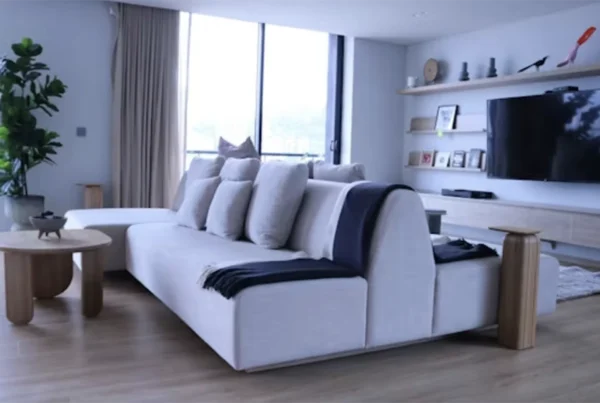
Homes change slowly, and that slow change is exactly why it often goes unnoticed. The sofa stays in the same position for years. The same lamp lights the same corner. Decorative pieces remain where you placed them long ago. At first, the space feels stable and familiar. Over time, however, familiarity turns into stagnation. The house still functions, but it no longer restores you the way it once did.

Daily life leaves marks. Small repairs get postponed. Fabrics wear down. Storage areas fill with items you no longer use. Lighting never gets reconsidered. Nothing dramatic happens, yet the atmosphere shifts. The home feels heavier, less intentional, and emotionally flat. You may find yourself spending less time in certain rooms without knowing exactly why.
Restoring coziness does not require a full renovation. It requires clarity, editing, and thoughtful adjustments. Warmth comes from physical comfort, emotional meaning, light, texture, and flow. When these elements drift out of balance, comfort fades. When you reset them carefully and deliberately, the home begins to feel alive again.
This process works best when approached in layers. First, reduce visual and emotional noise. Then rebuild physical softness and warmth. Rearrange what you already own before buying new pieces. Repair what quietly irritates you. Reintroduce meaning. Finally, adjust the home so it reflects who you are now, not who you were years ago.
Reset the Emotional Temperature
The first step in making a home cozy again is reducing friction. Years of living create visual noise even in tidy spaces. Surfaces become temporary storage areas that turn permanent. Decorative objects accumulate without intention. The eye never rests, and the mind follows.
Start by clearing horizontal surfaces such as coffee tables, kitchen counters, nightstands, and entry consoles. Keep only what serves a daily function or carries real meaning. Remove duplicates, unused décor, and objects that have lived there “for now” far too long. Leaving space around essential items allows the room to breathe.
Hidden clutter affects comfort just as much as visible mess. Open drawers, closets, and cabinets and remove what no longer fits your current life. Clothes you never wear, décor you saved for a different phase, kitchen gadgets that complicate rather than simplify. The goal is not minimalism for its own sake. The goal is clarity. When storage areas feel lighter, the entire home feels less burdened.
Choose one anchor room and complete it fully before moving to another. Attempting to transform the entire house at once often leads to exhaustion and half-finished efforts. A fully reset living room or bedroom can shift your emotional relationship with the entire home. Completion builds momentum.
Lighting adjustments often create immediate improvement. Replace cool white bulbs with warm tones between 2700K and 3000K. Add floor lamps or table lamps at eye level rather than relying solely on overhead fixtures. Install dimmers if possible. Lower light intensity in the evening. Bright, harsh lighting keeps a room alert and tense. Layered, warm light invites relaxation.
Scent and sound also shape atmosphere. Open windows regularly to refresh air. Choose one subtle scent rather than mixing several competing fragrances. Introduce soft background music in the evening or allow silence to dominate instead of constant television noise. Small sensory resets can dramatically shift how a space feels.
Rebuild Physical Comfort Through Light and Texture
Once emotional clutter is reduced, physical comfort becomes the focus. Over time, textiles flatten and lose their structure. Cushions sag. Rugs thin. Curtains fade. Even if the furniture remains structurally sound, softness disappears.
Begin with seating. Sit in each chair and on each sofa for at least twenty minutes. If discomfort appears quickly, address it. Replace worn cushion inserts. Add lumbar support. Adjust height if needed. Comfort must be real and measurable. Dining chairs, for example, benefit from subtle cushioning and ergonomic support similar to restaurant chairs that allow longer seating without strain.
Introduce texture deliberately. Add one or two throws in materials such as wool, linen, or cotton. Replace outdated cushion covers with neutral, layered tones rather than loud patterns. Texture creates warmth more reliably than bold color changes.
Evaluate your rug size. A rug that is too small makes a room feel disconnected. Choose one large enough to anchor furniture legs. If hardwood or tile floors feel cold, a properly sized rug increases both visual and physical comfort.
Curtains influence both temperature and acoustics. Heavier curtains soften sound and reduce drafts. Sheer layers filter daylight gently. Replacing faded window treatments often refreshes a room more than repainting.
Balance hard and soft materials. If your home includes glass, metal, and tile surfaces, introduce wood and fabric to offset sharpness. Wooden side tables, woven baskets, upholstered benches, and fabric lampshades reduce visual hardness and increase warmth without adding clutter.
Thermal comfort matters just as much as visual comfort. Seal window drafts. Replace worn door seals. Adjust bedding seasonally. A cozy home maintains stable temperature rather than fluctuating between extremes.
Rearrange What You Already Own
Before buying new furniture, reconsider your layout. Most homes contain enough pieces to feel balanced, but stagnation makes them feel stale. Rearranging often delivers dramatic improvement without expense.
Move artwork between rooms. A painting that faded into the background in one space may feel new in another. Lower pieces that hang too high. Proper placement improves proportion and focus.
Pull furniture slightly inward from walls. Even moving pieces by a small distance softens rigid layouts. Angle chairs toward each other instead of lining them up flat. Create conversation zones rather than centering everything on a television.
Reduce overcrowding by removing one unnecessary piece of furniture. Store it temporarily and evaluate the change. Negative space allows rooms to breathe and feel calmer. Cozy does not mean crowded.
Adapt the room to how you live now. If you rarely host large gatherings, reduce excess seating. If you read more than you watch television, create a reading corner with proper lighting and a small table. The layout should reflect your current habits, not outdated routines.
Reposition mirrors to reflect natural light rather than clutter. Place them opposite windows to amplify brightness. Avoid reflecting busy areas that increase visual noise.
In bedrooms, position the bed against a solid wall and maintain clear walking space. Symmetry in bedside lighting adds calm. A balanced bedroom supports rest more effectively than decorative complexity.
Repair and Refresh with Intention
Neglected maintenance quietly erodes comfort. Loose handles, chipped paint, squeaky hinges, and flickering lights create low-level irritation that builds over time. Address these issues directly.
Patch nail holes. Touch up chipped paint. Tighten cabinet hardware. Replace broken switches. Small repairs take little time yet dramatically improve atmosphere.
If a wall color feels outdated, repaint one area rather than the entire room. Choose muted tones such as warm neutrals, soft greens, or dusty blues. These shades age well and support calm.
Replace outdated hardware with cohesive finishes. Brushed brass, matte black, or simple stainless steel can modernize cabinetry without replacing it entirely.
Upgrade bedding with high-quality sheets and a well-fitted duvet cover. Choose breathable materials. Comfort at night influences the overall perception of home.
Deep-clean floors thoroughly. Polish wood. Steam-clean carpets. Scrub grout lines. Professional cleaning can restore surfaces that seemed permanently dull.
Refresh the entry area. Replace worn mats. Add a narrow console or bench if space allows. Keep the entrance uncluttered. The first few steps inside shape daily emotional response.
Restore Personal Meaning
A cozy home reflects your current identity. Over time, meaningful objects become hidden or forgotten. Décor freezes in an older version of you.
Curate one memory wall instead of scattering photographs randomly. Select images intentionally. Use consistent frames to reduce visual chaos. Editing strengthens impact.
Display books thoughtfully. Mix vertical rows with horizontal stacks. Leave breathing space between clusters. Books add depth when arranged with care.
Make hobbies visible. Store a guitar on a stand. Keep art supplies neatly accessible. When creative tools remain hidden, they feel distant from daily life.
Rotate sentimental items seasonally. Display a small selection and store the rest. Rotation prevents clutter while preserving emotional value.
Introduce plants if possible. Choose low-maintenance varieties that suit your lighting conditions. Plants add subtle movement and vitality to a room.
Create a personal retreat corner with a comfortable chair, a small table, a reading lamp, and a soft throw. Protect this space from clutter. A defined retreat reinforces comfort.
Remove décor tied to past life stages that no longer represent you. Replace gradually with items aligned with who you are now. Evolution keeps warmth alive.
Design for the Next Chapter
Comfort must evolve. If the home does not reflect your current routines, stagnation returns. Evaluate how your daily habits have changed. If you work from home more often, create a proper workspace with supportive seating and focused lighting. Avoid working from the sofa long term.
Plan seasonal refreshes. Rearrange décor every few months. Wash curtains. Rotate cushions. Deep-clean neglected areas. Regular small changes prevent long-term fatigue.
Maintain color consistency throughout rooms. Choose two or three main tones and repeat them subtly. Cohesion supports calm.
Limit impulse purchases. Before adding décor, ask whether it improves comfort or adds noise. Choose fewer pieces with lasting value.
Encourage natural light by keeping windows clean and using light-filtering curtains. Manage technology deliberately by hiding cables and storing remote controls neatly. Prevent screens from dominating visual focus.
Replace frequently used textiles such as towels, bedding, and cushion inserts annually. These items affect daily comfort more than decorative objects.
Cozy homes are not built once and forgotten. They evolve through attention, maintenance, and thoughtful adjustment. When you reduce visual noise, improve physical softness, repair neglected details, and reintroduce personal meaning, warmth returns gradually and naturally. A home feels comfortable again when it reflects who you are today and supports the life you live now.