The Annapurna Circuit isn’t simply a trek. It’s a pilgrimage through a living canvas, where earth rises to touch the heavens and every step rewrites your relationship with time, breath, and belief.
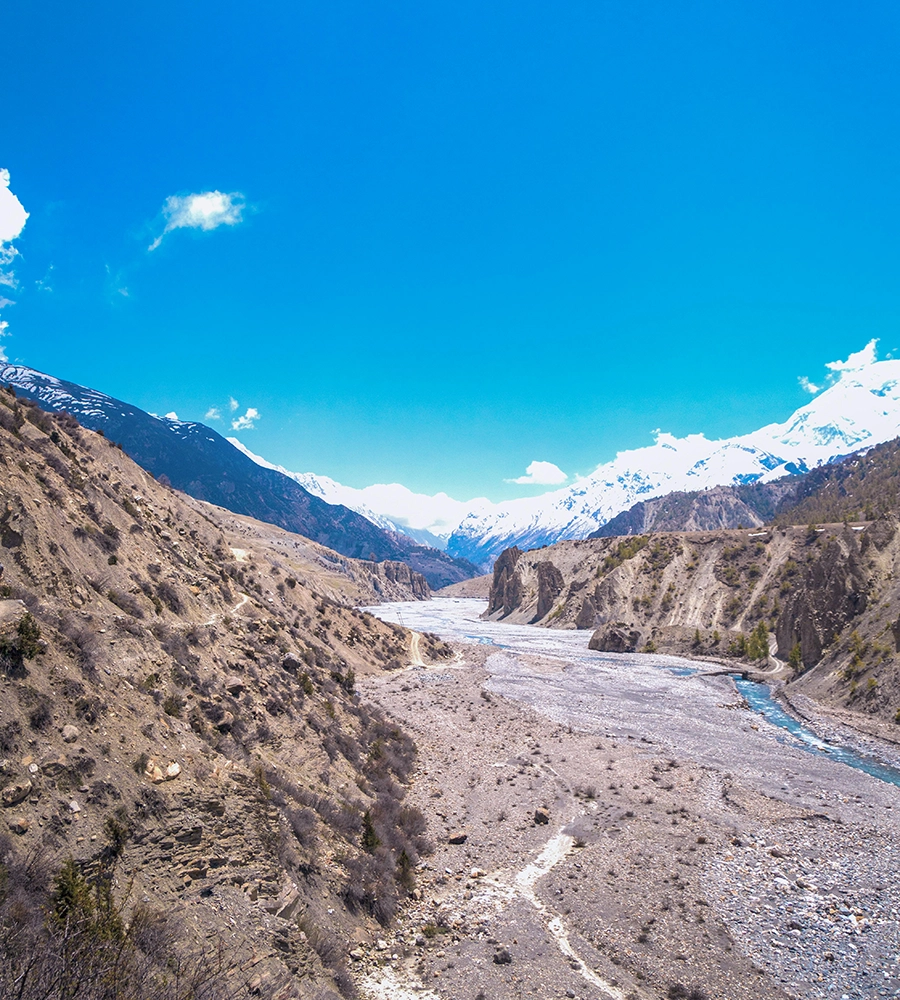
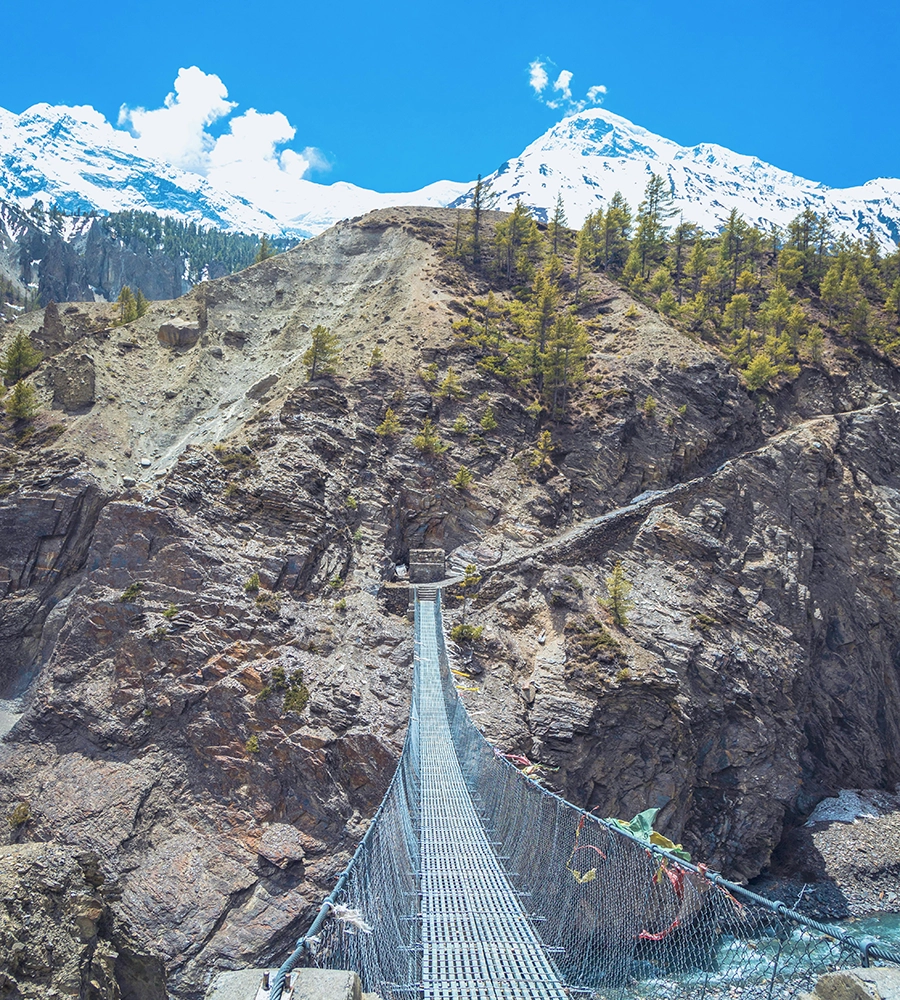
Across its 160+ kilometers, the trail shifts shape like a dream, lush jungles give way to pine-carved ridges, prayer wheels spin beside thundering rivers, and ancient stone villages appear like mirages at the edge of glacier-kissed skies.
Then, somewhere between the sweat of lower altitudes and the silence of Thorong La Pass, you arrive at Manang.
Cradled at 3,519 meters in the shadow of Annapurna III and Gangapurna, Manang is not a waypoint, it’s a watershed. A place where the body pauses, and the spirit stirs. Where you don’t just acclimatize to altitude, but to awe.
In Manang, time softens. Yaks lumber through frost-laced fields. The scent of wood smoke and butter tea wraps around trekkers like memory. And the mountains? They don’t just tower, they listen.
If you’re drawn to off-the-beaten-path Himalayan beauty, the Langtang Trek offers a similarly soulful journey through quiet villages and dramatic alpine terrain.
This isn’t where the journey stops. It’s where it deepens.
In this guide, we’ll explore why Manang is the soul of the Annapurna circuit trek, not just for its elevation, but for the elevation it brings to your experience. From sacred side hikes to cultural encounters that linger long after the trek is over, this is your invitation to not just pass through, but to truly arrive.
Manang: Tucked in Time and Sky
Manang lies at the place where landscapes, and trekkers, change.
It bridges the green subtropics of the lower trail with the dry, wind-scraped highlands leading to Thorong La Pass. Most arrive after trekking through Lower Pisang, or along the more scenic high route via Ghyaru and Ngawal, where the views of Annapurna II and IV stretch like a giant Himalayan painting.
To the south lies Gangapurna Lake, a turquoise jewel born of ancient glaciers. To the north, stone homes hug the hillside, layered with firewood and crowned with prayer flags that dance to the wind’s quiet chant.
Here, altitude isn’t just a metric, it’s a mood. A silence so complete it feels like meditation. In Manang, you don’t feel far from the world, you feel closer to something eternal.
Manang’s Soul: A Village That Breathes with the Mountains
In this high-altitude haven, life beats slower but deeper. The Manangi people, descendants of Tibetan traders and yak herders, live in harmony with the land. Harsh winters. Brief summers. But a culture that endures, infused with Buddhist philosophy, resilience, and quiet hospitality.
Most trekkers spend two nights here to acclimatize, per high-altitude recommendations. But acclimatization in Manang is not passive, it’s immersive.
Monasteries hum with low chants. Old women spin prayer wheels beneath carved wooden eaves. Children chase dogs across fields dusted in frost. And always, the Himalayas tower above, silent sentinels draped in snow and sky.
In Manang, you don’t just pause your trek. You arrive at the threshold of transformation.
Explore Manang: Where Every Path Holds a Story
Despite its remote, high-altitude setting, Manang is anything but empty. In fact, it may be one of the richest places on the Annapurna Circuit Trek, not in material things, but in culture, connection, and quiet magic.
Every narrow alley, every prayer flag, every footpath leading outward holds a story etched in wind, stone, and tradition. Whether you’re seeking spiritual insight, alpine adventure, or a deep cup of mountain-brewed espresso, Manang invites you to explore slowly and soulfully.
Braka Monastery (Braga Gompa): The Spiritual Watchtower
Before reaching Manang, trekkers pass the stunning Braka Monastery, perched precariously on a cliff like a sentinel of the valley. Over 600 years old, this is one of the oldest monasteries in the region and remains active today, home to monks who maintain its sacred rituals.
Inside, you’ll find ancient clay statues, hand-painted thangkas (Buddhist scrolls), and butter lamps flickering beneath centuries-old murals. The silence inside is profound, thick, comforting, timeless. It’s a place to sit, exhale, and feel the energy of devotion that has lived here through countless winters and winds.
Travel tip: Entry is often by donation. Bring a small offering and light a butter lamp, it’s a symbolic gesture of light for your path ahead, both literal and personal.
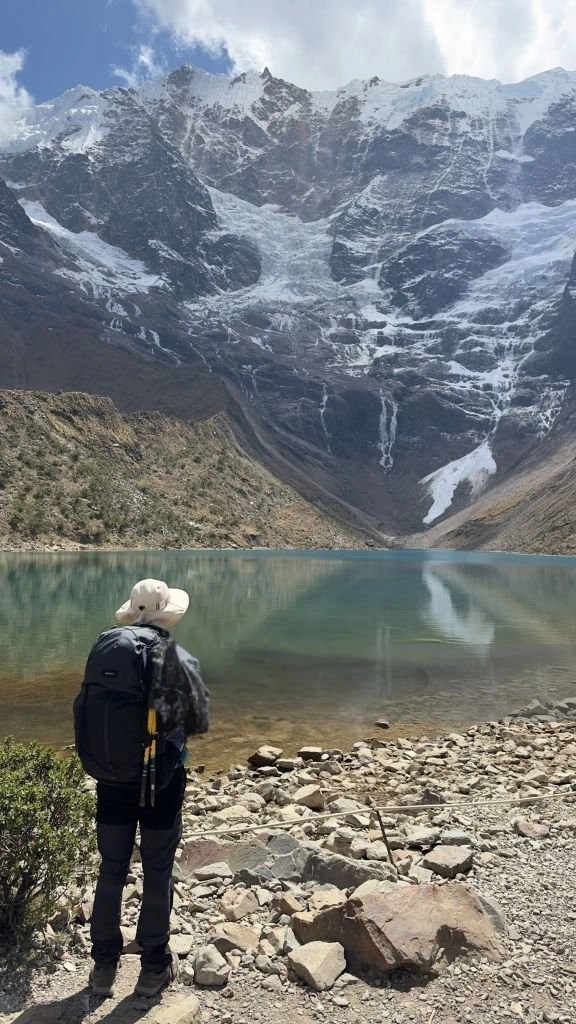
Hikes to Gangapurna Lake and Ice Lake: Nature’s Meditation
Manang is surrounded by trails that do more than challenge your legs, they stir your soul.
Gangapurna Lake: The Glacial Mirror
Just below the village lies Gangapurna Lake, a shimmering turquoise basin carved by retreating glaciers from the massive Gangapurna Icefall. The short hike to the lake is ideal for acclimatization, offering views of Annapurna III, Tilicho Peak, and the Marsyangdi River valley. Early morning or late afternoon visits reward you with haunting reflections and few other trekkers.
Ice Lake (Kicho Tal): A High-Altitude Revelation
For those ready to stretch their lungs, the Ice Lake trek (locally known as Kicho Tal) is a steep but spellbinding ascent. It takes 5–6 hours roundtrip from Manang, gaining nearly 1,100 meters in elevation, peaking at 4,600 meters.
The reward? Two pristine alpine lakes cradled by snow-dusted ridges and complete silence, broken only by the crunch of your boots or the soft whistle of Himalayan winds. This is one of the best single-day acclimatization hikes in all of Nepal, offering both physical benefit and emotional renewal.
Tip for trekkers: Start early, carry snacks and water, and descend slowly to avoid altitude symptoms.
Day Trip to Tilicho Lake Base via Khangsar: The Road to the Gods
If you have an extra day (or two) to spare, Tilicho Lake is a bucket-list-worthy side trip. One of the highest lakes in the world at 4,919 meters, it’s accessible via Khangsar Village, a lesser-trodden path that peels away from the Annapurna Circuit just west of Manang.
The journey there is otherworldly. Picture Mars: red and ochre cliffs, glacial streams, wind-swept trails, and near-complete silence. Along the way, you might spot Himalayan blue sheep, and if you’re extraordinarily lucky, the elusive snow leopard.
Tilicho Lake itself is often frozen in winter and intensely blue in summer, its waters sacred to both Buddhists and Hindus.
Pro tip: If you plan to continue over Thorong La after Tilicho, make sure you’re well acclimatized. It’s best done with a guide and an extra acclimatization day.
Local Culture: Cheese, Bakeries & Timeless Stories
You might not expect it at 3,500+ meters, but Manang is a culinary surprise. Known for its yak cheese production, you can visit local dairies to sample or buy fresh, smoky cheese, perfect for protein on the trail.
Even more unexpected are the Alpine-style bakeries. Yes, in the heart of the Himalayas, you can enjoy apple crumble, cinnamon rolls, chocolate cake, or even a cappuccino. A favorite among trekkers is the Tilicho Bakery, where fresh pastries and warm drinks are best enjoyed while watching clouds drift past Annapurna’s crown.
But what truly makes Manang memorable isn’t the comfort food. It’s the people.
The Manangi community is a blend of Gurung, Tibetan, and Himalayan ethnic traditions. They’re storytellers, keepers of oral histories that span generations. Sit with a teahouse owner, and you might hear about the year the yaks didn’t return, or the village lama who once calmed an avalanche.
They’ll tell you which mountains are sacred and which shouldn’t be climbed. Which herbs heal. Which dreams matter. And in these quiet conversations, over tea or under stars, you’ll realize Manang isn’t just a village, it’s a vault of wisdom.
Manang on the Annapurna Circuit: The Sacred Centerpiece
By the time you reach Manang, the Annapurna Circuit has already begun to reshape you, step by step, village by village, breath by breath. The trail from Upper Pisang through Ghyaru and Ngawal stuns with panoramic views that seem almost mythical, like walking through a postcard painted by the gods. But it’s in Manang that the trek transforms. The real journey begins within.
This high-altitude village isn’t just a stopover; it’s a threshold, between past and future, lowland and highland, body and spirit.
Beyond Manang: Into the Quiet Unknown
- Manang → Yak Kharka (4,050m): The terrain begins to strip away the lushness, revealing a raw, windswept world.
- Yak Kharka → Thorong Phedi (4,525m) or High Camp (4,900m): Each step now tests resolve as much as muscle.
- Then comes Thorong La Pass (5,416m): A passage so vast, it feels like crossing into the sky itself.
Wise Words for the Wanderer: Practical Tips from the Trail
Before you lace up your boots and chase horizons, here’s your pocket-sized guide to trekking smart, because even legends need a little prep.
When the Mountains Whisper: Best Time to Go
Spring (March–May)
The Annapurna region bursts into life with blooming rhododendrons painting the forests pink and red. The air is crisp, the skies a perfect canvas, and the trails are lively but not crowded. It’s nature’s grand welcome.
Autumn (September–November)
This is the golden hour of the Himalayas. Stable weather, crystalline views, and warm golden light turn every photo into a masterpiece. It’s the season where every step feels blessed.
Pro tips: If you’re wondering exactly when to lace up your boots, check out our detailed guide on the best time to go Annapurna Circuit trek and align your adventure with the rhythm of the mountains.
Altitude is a Silent Teacher: Acclimatization Wisdom
Manang isn’t just a village, it’s your sanctuary at 3,519 meters. Stay at least 2 nights to let your body catch up with your soul.
- Hike high during the day, visit Ice Lake or the monasteries above town.
- Sleep low in Manang to aid recovery.
- Hydrate like it’s your superpower.
- Say no to alcohol and listen closely to what your body tells you.
Pro Tip: Don’t skip the Himalayan Rescue Association (HRA) talk in Manang. It’s not just informative, it’s potentially lifesaving.
Pack Like a Pro, Trek Like a Legend
When the sun is out, it can burn. When it hides, it can bite. Here’s what you’ll be thankful you brought:
- A down jacket that feels like a hug in sub-zero winds
- Thermal base layers and windproof outerwear for those early morning climbs
- A -10°C sleeping bag to cocoon yourself in mountain chill
- Sunglasses, SPF sunscreen, lip balm, the high-altitude sun is a fierce friend
Where to Rest Your Weary Feet
Manang’s tea houses are a world of their own, with warm wood interiors, hearty meals, and Wi-Fi to send your altitude selfies.
- Cozy communal spaces make it easy to connect with fellow trekkers
- Some offer hot showers (a blessing at this altitude!)
- Most importantly, they offer rest in a land that humbles
Manang: Where the Trek Becomes a Pilgrimage
Manang is more than a village, it’s a threshold between exertion and elevation.
It’s in the quietude of a snow-covered path, the steam rising from a morning tea, the soft thud of boots on earth, where the real trek begins. It’s where external landscapes start to mirror internal ones, where every peak feels like a metaphor, and every breath feels earned.
Recent insights suggest that walking regularly can boost cognitive function in later life, making journeys like the Annapurna Circuit not just physically rewarding but mentally enriching too.
Trekkers come here expecting rest. They leave with a kind of stillness that trails behind long after Thorong La is crossed.
Conclusion: Don’t Just Pass Through, Arrive
The Annapurna Circuit dazzles with peaks, challenges with elevation, and rewards with perspective. But Manang is where all of those elements converge, not in a rush, but in a revelation.
So when you find yourself at its gate, don’t just pass through.
Linger. Listen. Let the altitude teach you how to slow down.
Because some places aren’t meant to be hurried through.
They’re meant to be felt. Fully. Quietly. Deeply.
And Manang is one of them.