










The Mental Toughness of an Olympian: Lessons in Resilience and Focus
-
- October 22, 2025
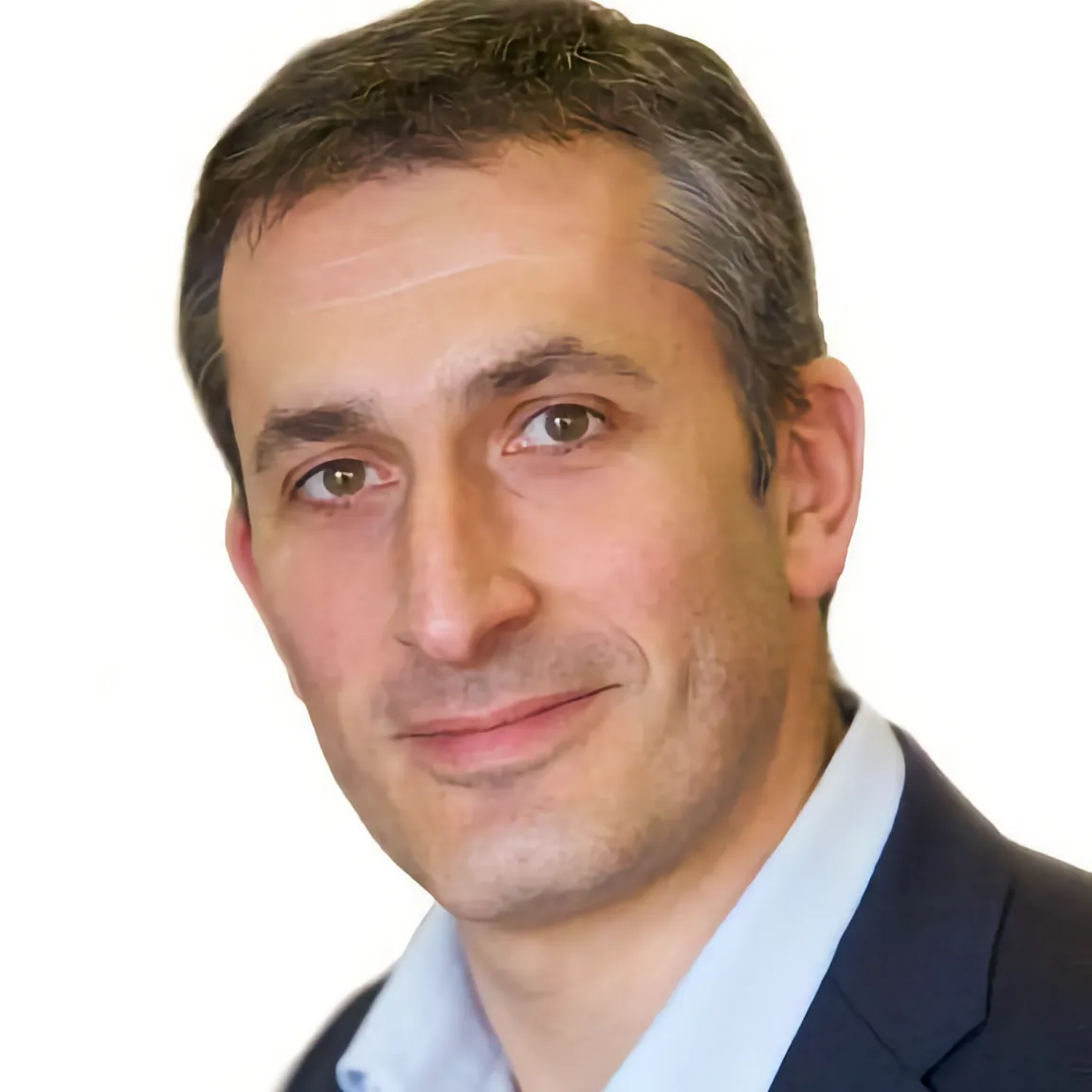
When you’ve stood at the top of a ski jump at the Winter Olympics, the world becomes very small and very quiet. For Kevin Harbut, who represented Team GB in freestyle skiing at Nagano 1998, that silence became a lesson in the power of the mind.
“Mental toughness isn’t about being fearless,” he explains. “It’s about learning how to perform, even when fear is present.”
In a world that rewards speed, competition, and constant progress, this idea is more relevant than ever. Whether you’re stepping into a big presentation, managing stress at work, or recovering from burnout, the mindset of an Olympian can teach us how to stay grounded when pressure builds.
The science of staying calm under pressure
When the body senses danger or challenge it releases adrenaline and cortisol. For athletes, this fight-or-flight response sharpens focus and reaction time. But if unmanaged, it can lead to anxiety, tension, or poor decision-making.
Sport psychology calls this balance arousal control: the ability to operate at your optimal mental and physical state. Through techniques such as breathwork, visualisation, and pre-performance routines, athletes train themselves to harness this energy rather than fight it.
You don’t have to compete at the Olympics to apply this. In daily life, learning to regulate your breathing, slow your thoughts, and refocus your attention can dramatically reduce the impact of stress.
For a deeper dive into this concept, read our feature on The Science of Mental Toughness and explore how awareness can transform your response to challenge.
Recovery: the other side of resilience
Kevin’s experience also highlights another crucial truth toughness isn’t just about pushing harder. It’s about knowing when to pause.
After his competitive career, he found that the lessons of recovery were even more important than those of performance. “Resilience is built in recovery,” he says. “Every setback, every rest day, every injury those are the moments that teach you patience and perspective.”
This aligns with modern wellbeing research, which shows that rest, sleep, nutrition, and reflection are essential to long-term mental health. It’s the recovery phase that allows adaptation physically, emotionally, and psychologically.

Bringing the Olympian mindset into daily life
Here are three small but powerful ways to apply the mental framework of an Olympian to your own world:
- Visualise calm before challenge. Whether it’s a meeting or a workout, rehearse success mentally first.
- Control your breathing. In moments of stress, slow exhalations reset your nervous system.
- Reflect after effort. Journalling or mindful rest helps your brain consolidate resilience.
You can explore more techniques like these in our MIND section, where experts share tools for building emotional balance and performance from within.
Final reflection
Kevin Harbut’s story reminds us that true strength is calm, not clenched. It’s built from awareness, repetition, and trust not perfection.
Whether you’re chasing a podium or simply trying to stay composed in the rush of modern life, mental toughness isn’t something you’re born with. It’s something you practice one breath, one challenge, one recovery at a time.
- About the Author
- Latest Posts


