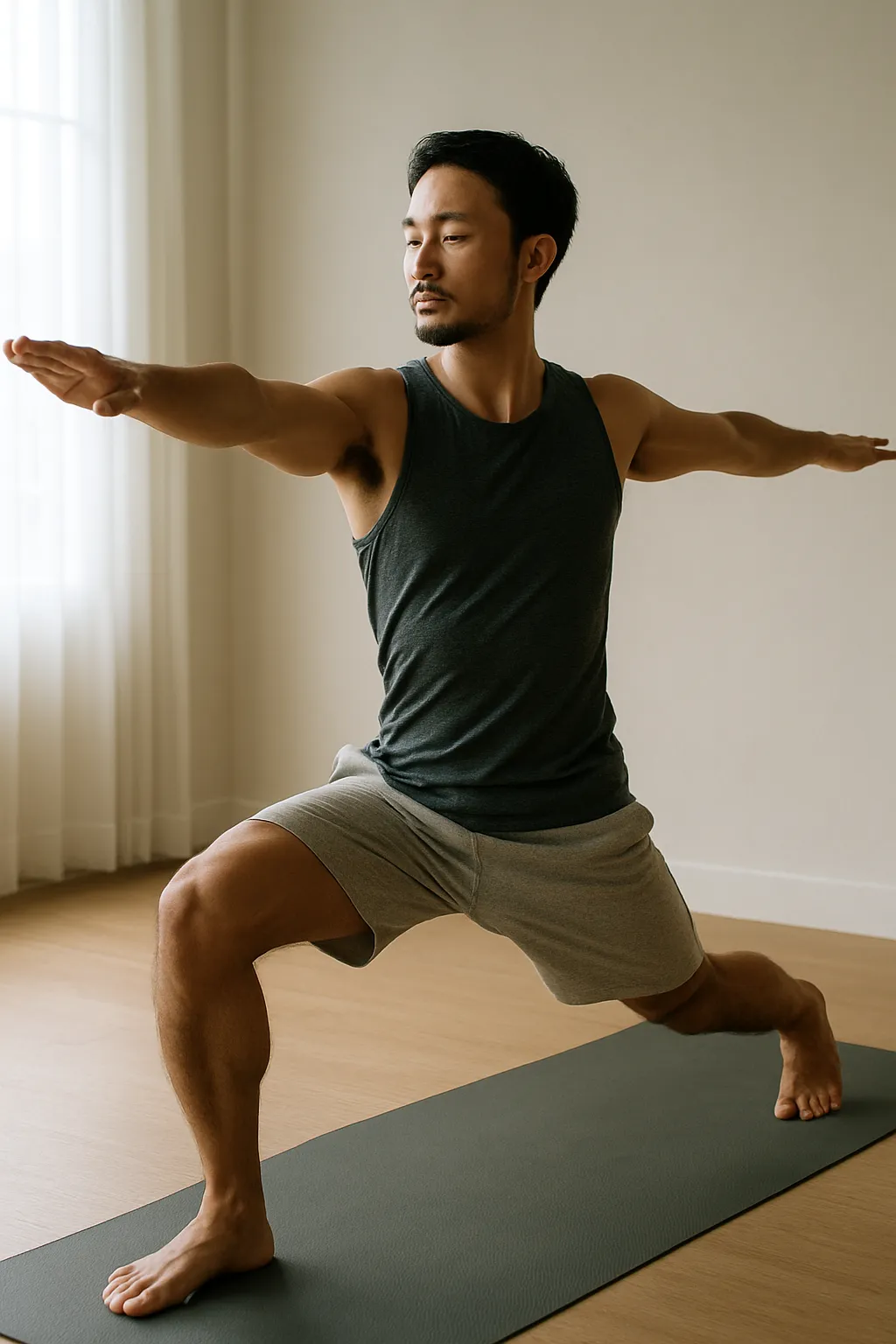
Modern sport often emphasises speed, power, and pushing limits. But there’s another path to performance—one rooted in awareness, control, and intentionality. This is mindful movement: the art of moving with focus and presence.
Mindful movement helps athletes stay injury-free, recover faster, and access deeper connection to their sport. Whether through yoga, martial arts, or slow strength work, it’s a powerful addition to any training plan.
What Is Mindful Movement?
Mindful movement means paying attention to how your body moves in real-time. It blends physical practice with mental awareness—like noticing how your breath changes during a lift, or how your hips shift in a squat.
It’s commonly practiced through:
- Yoga and mobility work
- Tai Chi or martial arts drills
- Bodyweight flows
- Slow, controlled strength exercises
Presence over pace.
Benefits for Athletes
- Better movement quality: Mindful practice highlights compensations and imbalances.
- Reduced injury risk: Greater awareness means fewer careless reps or overstretched joints.
- Enhanced recovery: Slower, controlled movement boosts circulation and parasympathetic activation.
- Improved mental clarity: Linking breath and motion calms the nervous system.
Integrating Mindful Movement into Training
You don’t need to overhaul your routine—just layer it in:
- Warm-ups: Start with 5 minutes of mobility or breath-focused movement.
- Cooldowns: Use mindful stretching or foam rolling as a wind-down.
- Active recovery days: Choose yoga, flow drills, or tempo-based strength.
Even one mindful session per week can improve proprioception and mental focus.
Try This: 5-Min Mindful Movement Routine
- Cat-Cow Spinal Rolls (1 min)
- Slow Cossack Squats (1 min)
- Plank to Down Dog Flow (1 min)
- Standing Hip Circles (1 min)
- Seated Breathing with Body Scan (1 min)
Awareness is a performance enhancer.