Patient Monitoring Devices in General Practice: A Practical Guide for GP Clinics
Accurate patient monitoring is not an optional extra in general practice. It is a fundamental part of the clinical encounter, informing diagnosis, guiding…
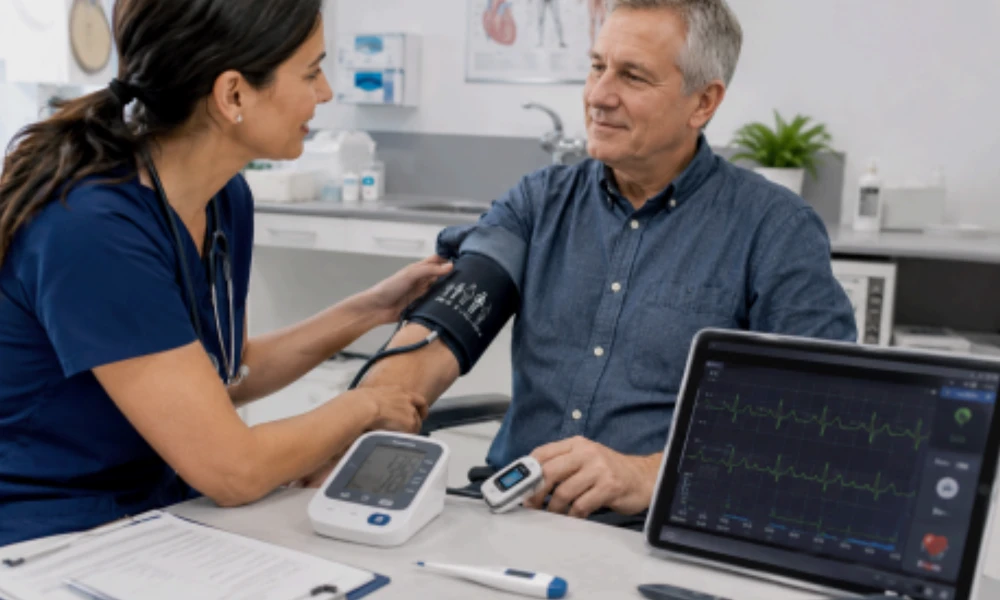
Accurate patient monitoring is not an optional extra in general practice. It is a fundamental part of the clinical encounter, informing diagnosis, guiding treatment decisions and flagging deterioration before it becomes a crisis. Yet many GP clinics are working with devices that are outdated, poorly calibrated, or simply the wrong tool for the job.
The range of patient monitoring devices available to primary care has expanded considerably. Blood pressure monitors, pulse oximeters, ECG machines, dopplers, bladder scanners and spirometers are all now practical in a GP setting. Getting the equipment right means fewer missed diagnoses, less unnecessary referral and better care for patients who would prefer to be managed locally.
This guide covers the core patient monitoring devices suited to general practice, what to look for when evaluating clinical-grade equipment and how to build a monitoring setup that serves both patients and practitioners well.
Why Patient Monitoring Matters More Than Ever in Primary Care
General Practice has been absorbing a greater share of chronic disease management over the past decade. Hypertension, heart failure, COPD, diabetes and peripheral vascular disease are all conditions that require ongoing physiological monitoring, with most of that monitoring now happening in the GP clinic rather than the hospital outpatient department.
The quality of the monitoring data clinicians collect directly affects the quality of the decisions they make. A blood pressure reading taken with an uncalibrated cuff, or an SpO2 reading from a consumer-grade oximeter on a poorly perfused finger, can mislead rather than inform. Clinical-grade devices, used correctly, produce data that can be trusted, and that trust has real consequences for patient outcomes.
Essential Patient Monitoring Devices for GP Clinics
The right selection depends on the patient demographics and clinical scope of a given practice, but the following devices form the foundation of most well-equipped GP clinics.
Blood Pressure Monitors
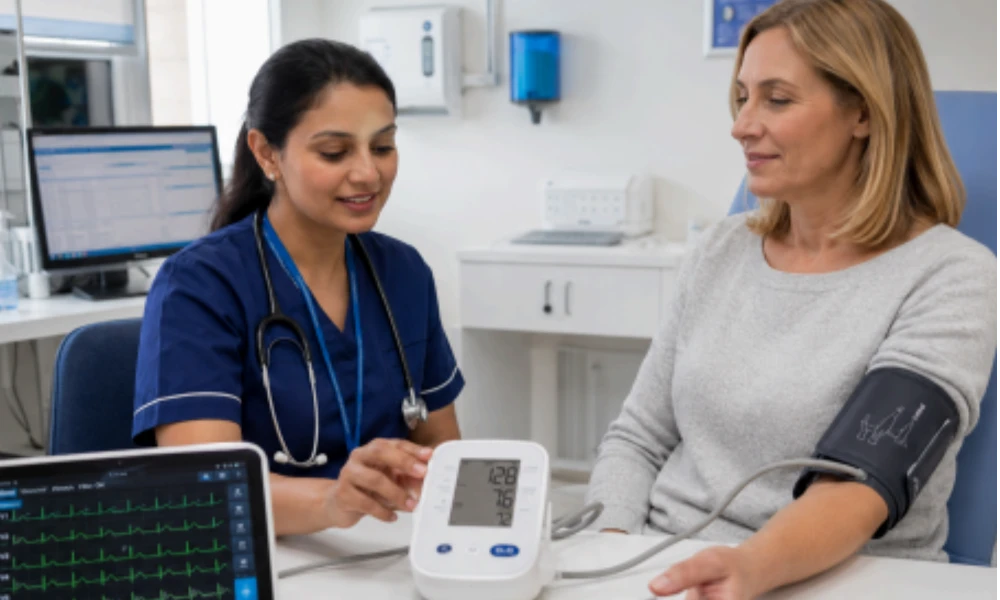
Blood pressure measurement is the most common clinical observation in General Practice. A validated, clinically accurate sphygmomanometer, whether aneroid or digital, is non-negotiable. For GP use, upper arm automated devices with oscillometric measurement are preferred over wrist units, which are more susceptible to positional error.
Key considerations: look for devices validated against recognised protocols (British Hypertension Society or AAMI/ESH), a cuff range that accommodates bariatric patients and a memory function that allows trend review across multiple readings. Calibration should be checked annually at minimum.
Pulse Oximeters
Pulse oximetry became a routine part of primary care assessment during the COVID-19 pandemic, and it has stayed there for good reason. SpO2 monitoring is now standard in respiratory, cardiac and post-anaesthetic assessment, as well as general triage.
Clinical-grade finger oximeters from established manufacturers offer accuracy within ±2% across the 70–100% SpO2 range, the threshold required for clinical reliability. Consumer devices sold for fitness or wellness purposes do not meet this standard and should not be used in clinical decision-making. For patients with poor peripheral perfusion, ear probe or forehead sensor options improve reading reliability significantly.
ECG Machines
A 12-lead ECG machine is an increasingly practical addition to general practice, particularly for clinics with a higher proportion of older patients or those managing cardiovascular conditions. The ability to acquire a diagnostic-quality ECG in-house and transmit it digitally to a cardiologist for interpretation avoids unnecessary emergency department presentations and supports timely specialist review.
Modern GP-suitable ECG machines are compact, offer automatic rhythm interpretation as a preliminary guide (not a substitute for clinical review), and connect to practice management software via USB or wireless output. Electrode quality matters; poor contact from worn or dried electrodes introduces artefact that renders tracings uninterpretable.
Handheld Dopplers
Handheld Doppler devices are valuable for assessing peripheral vascular disease, foetal heart rate monitoring in obstetric GPs, and ankle-brachial index (ABI) calculation. An 8 MHz probe is
standard for peripheral vascular assessment; a 2–3 MHz probe is used for foetal monitoring. These are simple, durable devices with a long clinical lifespan when maintained appropriately.
Bladder Scanners
Portable bladder ultrasound scanners allow non-invasive assessment of post-void residual volume, a key measurement in the evaluation of urinary retention, benign prostatic hyperplasia and neurogenic bladder. For practices managing an elderly population or patients with urological symptoms, a bladder scanner removes the need for catheterisation as a diagnostic step, which reduces patient discomfort and infection risk.
Spirometers
Spirometry remains the gold standard for diagnosing and monitoring obstructive airway diseases including asthma and COPD. In-clinic spirometry, when performed by a trained clinician or nurse, eliminates referral delays and supports more responsive medication adjustment. Disposable mouthpieces are essential to prevent cross-contamination, and the device should be calibrated with a standard 3-litre syringe at regular intervals.
Clinical-Grade vs Consumer-Grade: Why the Distinction Matters
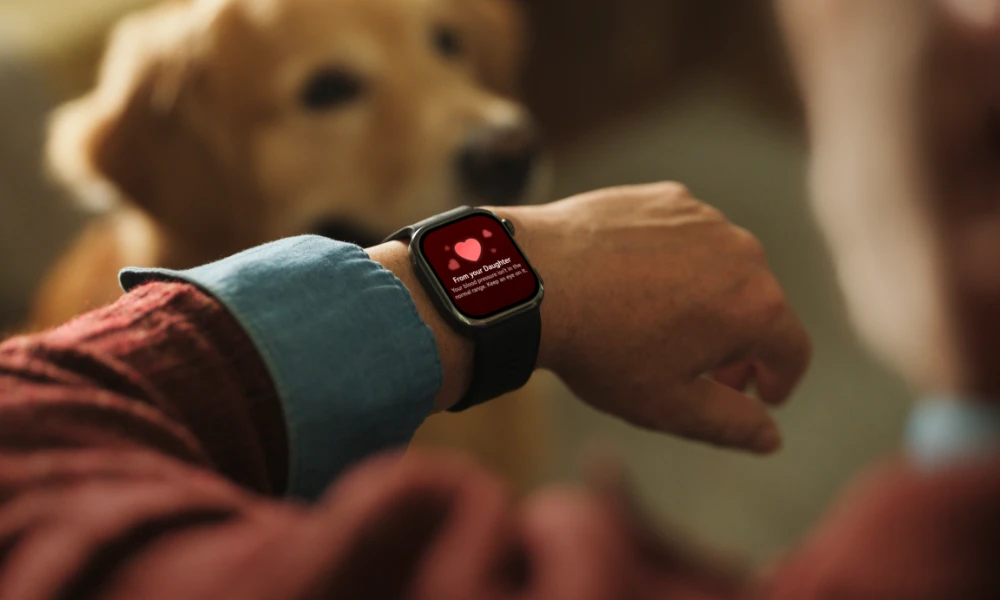
The proliferation of consumer health monitoring devices such as smartwatches, home blood pressure cuffs, fitness oximeters has blurred a line that clinicians need to keep clear. Consumer devices are designed and validated for general wellness tracking, not for clinical decision-making.
In Australia, clinical-grade medical devices used in practice should be listed on the Australian Register of Therapeutic Goods (ARTG). ARTG listing confirms the device has been assessed by the Therapeutic Goods Administration (TGA) for safety, quality and performance at the standard required for therapeutic use. When purchasing monitoring equipment, confirming ARTG status is a basic due diligence step, not an optional one.
Calibration, Maintenance, and Staff Training
Purchasing clinical-grade equipment is only part of the commitment. Without proper calibration schedules and staff training, even high-quality devices produce unreliable data.
A practical maintenance protocol for GP monitoring equipment should include:
• Annual calibration verification for blood pressure monitors and spirometers - most manufacturers provide guidance on interval and method
• Regular cleaning of oximeter probes and Doppler transducer heads with approved disinfectant wipes - alcohol-based wipes can damage some sensor coatings; check manufacturer instructions
• Battery and power supply checks for portable devices, particularly those used infrequently
• Staff competency review - clinicians and nurses should be able to identify artefact, poor waveform quality and equipment malfunction rather than recording erroneous values as clinical data
• A device register documenting purchase date, calibration history and any reported faults
Sourcing and Evaluating Patient Monitoring Equipment in Australia
Procurement decisions for monitoring equipment often fall to practice managers rather than clinicians, which means specifications that matter clinically. Validation protocols, ARTG status, and probe compatibility can be overlooked in favour of upfront price. That trade-off tends to create problems downstream.
Specialist medical suppliers with a clinical focus are better placed to provide accurate product specifications and stock devices appropriate for primary care use. For practices looking to consolidate purchases, suppliers like Macquarie Medical Systems carry a broad range of patient monitoring equipment from blood pressure monitors and pulse oximeters through to ECG machines, dopplers and bladder scanners, which simplifies procurement and reduces the administrative overhead of managing multiple supplier relationships.
When evaluating any supplier, confirm the following:
• ARTG registration for all devices intended for clinical use
• Product specifications that include validated accuracy data, not just marketing claims • Availability of consumables - replacement cuffs, disposable mouthpieces, electrode pads - from the same supplier
• Warranty terms and local service or repair support, particularly for higher-value devices such as ECG machines and bladder scanners
• Clear pricing and account options for established practices
Key Takeaways
• Patient monitoring devices are a core part of GP clinical infrastructure, not optional additions. The quality of monitoring data directly influences clinical decision-making. • Blood pressure monitors, pulse oximeters, ECG machines, handheld dopplers, bladder scanners and spirometers each serve distinct diagnostic roles in General Practice.
• Clinical-grade devices and consumer wellness devices are not interchangeable - only ARTG-listed equipment meets the standard required for clinical use in Australia. • Calibration schedules and staff training are as important as device quality - an uncalibrated or incorrectly operated device produces unreliable data regardless of its specification.
• Consolidated sourcing from a specialist medical supplier simplifies procurement, ensures clinical-grade specifications and reduces administrative burden on practice staff.
Final Thoughts
The monitoring devices a GP clinic invests in shape the quality of care it can deliver. As primary care continues to absorb a greater proportion of chronic disease management and complex
clinical assessment, having the right equipment, properly maintained and appropriately used, becomes less of a competitive advantage and more of a baseline expectation.
Start with the devices that reflect your patient population and clinical scope. Confirm ARTG status before purchasing. Build a calibration and maintenance schedule into clinic operations from day one. And choose suppliers who can provide the specifications, consumables and support that clinical-grade equipment demands.
The return on that investment is measured in data you can trust and decisions you can make with confidence.
Filed underHeart health, Fitness & movement